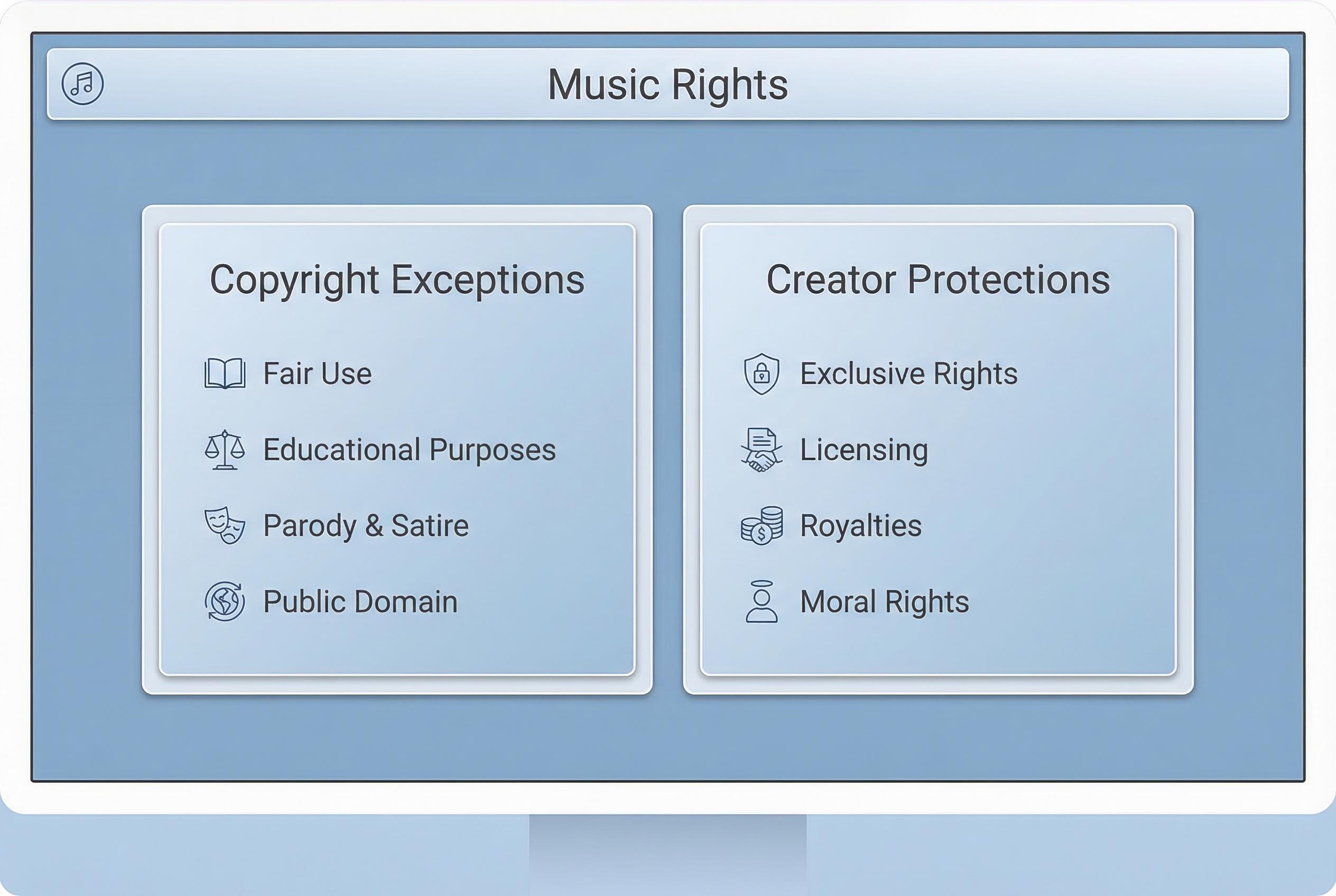
The Ivors Academy has welcomed the UK government's decision not to introduce a broad text and data mining exception to copyright law, a move that would have permitted the large-scale use of copyrighted material by AI developers without creators’ permission. Government consultation documents had explored options for a liberalised exception for commercial and non-commercial uses, but ministers have chosen not to pursue that route for now.
The Academy said the outcome avoids what it described as a harmful change that would have exposed songwriters and composers to unauthorised exploitation. Roberto Neri, CEO of The Ivors Academy, said: "We welcome the UK government’s decision to not move forwards with a new text and data mining exception and listen to the 88% the respondents to its consultation who called for stronger copyright and licensing." The organisation framed the decision as a first step rather than a final settlement.
Nevertheless, the Academy argued that further protections are required to ensure AI systems operate under licensing arrangements that secure creators’ consent, provide fair payment and deliver transparency about how works are used. Consultation papers had explicitly weighed mechanisms such as opt-out systems and safeguards for rights holders, highlighting the challenge of balancing innovation with the economic interests of creators.
Alongside licensing and remuneration, the Ivors insisted on new legal protections to prevent AI-generated replicas of performers’ voices and identities, urging the introduction of personality rights to guard against deepfakes and digital impersonations. That call echoes recent parliamentary scrutiny which warned generative AI could pose a "clear and present danger" to the commercial viability of the UK’s creative sector if unlicensed material is used at scale.
The Academy said it will engage in the government’s four planned workstreams covering digital replicas, labelling, creator control and transparency, and independent creatives. Those programmes, set out in the government’s AI and IP consultations, are intended to shape policy on how generative systems interact with copyrighted content and related rights.
Creative sector groups and trade bodies have repeatedly warned that AI tools which produce material resembling existing songs or lyrics can infringe authors’ rights, citing recent controversies over commercial products that appear to generate content close to copyrighted works. The Ivors pointed to such incidents in pressing for binding licensing requirements rather than permissive exceptions, arguing that ensuring recognition, protection and payment for creators must guide the next phase of policy.
Source Reference Map
Inspired by headline at: [1]
Sources by paragraph:
- Paragraph 1: [2]
- Paragraph 2: [6]
- Paragraph 3: [3], [2]
- Paragraph 4: [7]
- Paragraph 5: [4], [2]
- Paragraph 6: [5], [7]
Source: Noah Wire Services