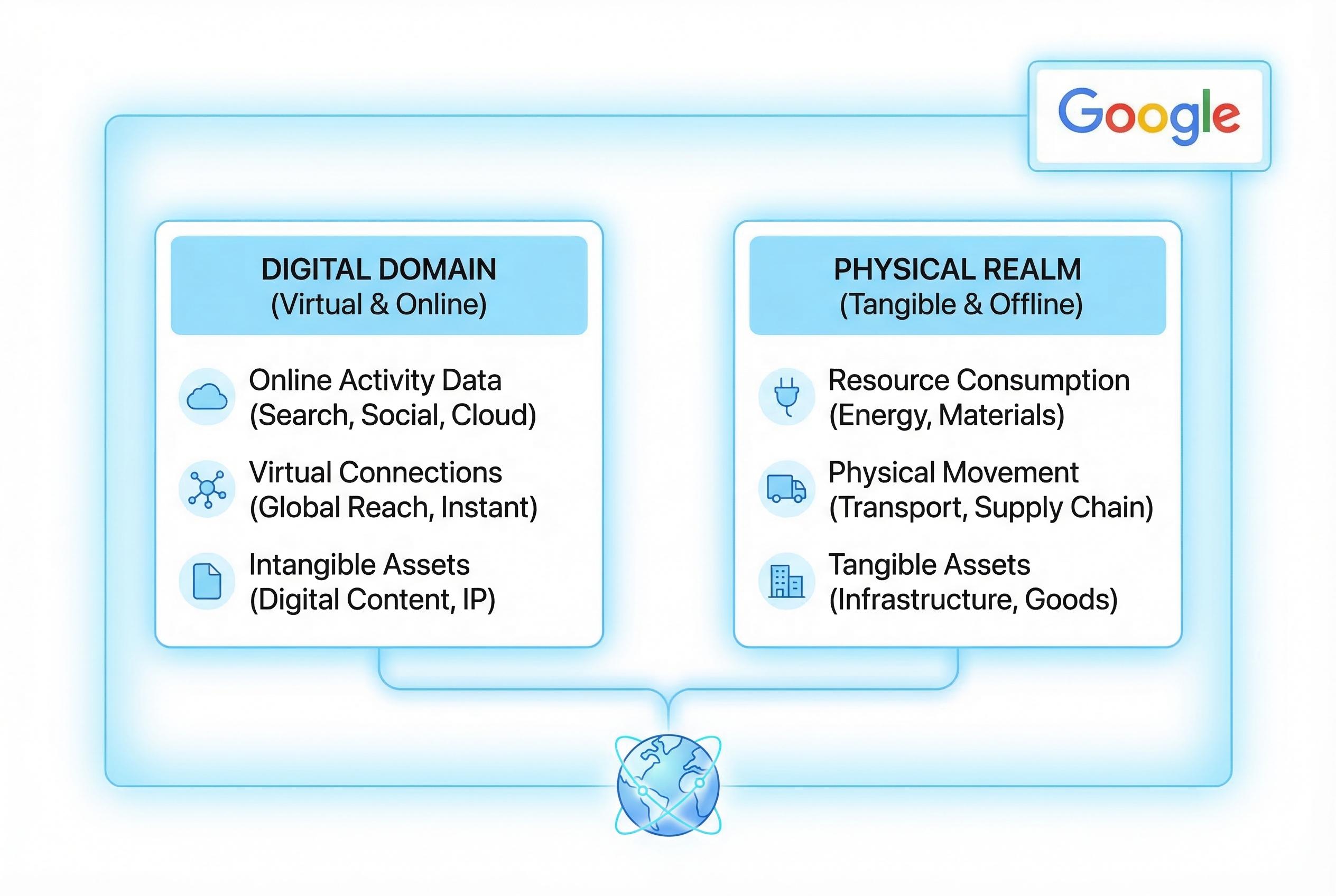
Google is preparing tools that would let websites and publishers prevent their material from being used in the company's generative AI features while still remaining visible in traditional search results, according to industry reporting and regulator statements. The proposal is intended to address mounting complaints that AI-generated answers are being produced from third-party content without giving publishers sufficient control or compensation. (According to The Guardian and government briefings, the measures form part of a wider response to regulatory pressure.)
Under the approach being discussed, site owners would be able to opt out of having their pages incorporated into AI Overviews and similar summarisation features without having to remove themselves from Google Search entirely. The proposal is framed as an attempt to separate content‑use permissions for AI from the mechanics that determine organic search ranking, a distinction regulators say is crucial for news organisations and other content creators. Industry commentary and technical write-ups note the engineering and policy challenges in implementing selective exclusion.
The CMA has driven much of the momentum for these changes by proposing a package of interventions after designating Google with strategic market status in search. That status gives the authority powers to demand specific conduct remedies, including mechanisms to protect publishers from losing traffic as a result of AI summaries and measures to make search choice easier for users. Government statements say the consultation will gather views from publishers, users and the company before any final rules are set.
Publishers and trade bodies have argued that AI overviews reduce click‑through rates and ad revenue, potentially undermining the economics of original reporting. The CMA’s proposals explicitly aim to prevent firms from being forced into an all‑or‑nothing choice between supplying content for AI features and retaining visibility on search results, and several media groups have publicly urged robust opt‑out rights to protect their business models.
Google has signalled a willingness to work with regulators while also warning that some interventions could harm user experience or stifle innovation. At the same time, the CMA’s recent scrutiny of major tech deals has continued: the regulator cleared Google’s partnership with Anthropic from a merger threshold perspective but remains active in shaping how large firms deploy AI services. That combination of regulatory measures and commercial caution has produced a careful, negotiated path rather than immediate, unilateral change.
The debate highlights a broader tension between rapid AI product development and efforts to preserve fair competition and the viability of independent publishers. As the UK consultation progresses, stakeholders will be watching whether technical opt‑out controls, clearer ranking rules and easier search‑choice mechanisms together deliver workable protections for content creators without unduly constraining innovation.
Source Reference Map
Inspired by headline at: [1]
Sources by paragraph:
- Paragraph 1: [2], [3]
- Paragraph 2: [5], [7]
- Paragraph 3: [3], [6]
- Paragraph 4: [2], [7]
- Paragraph 5: [4], [5]
- Paragraph 6: [3], [5]
Source: Noah Wire Services