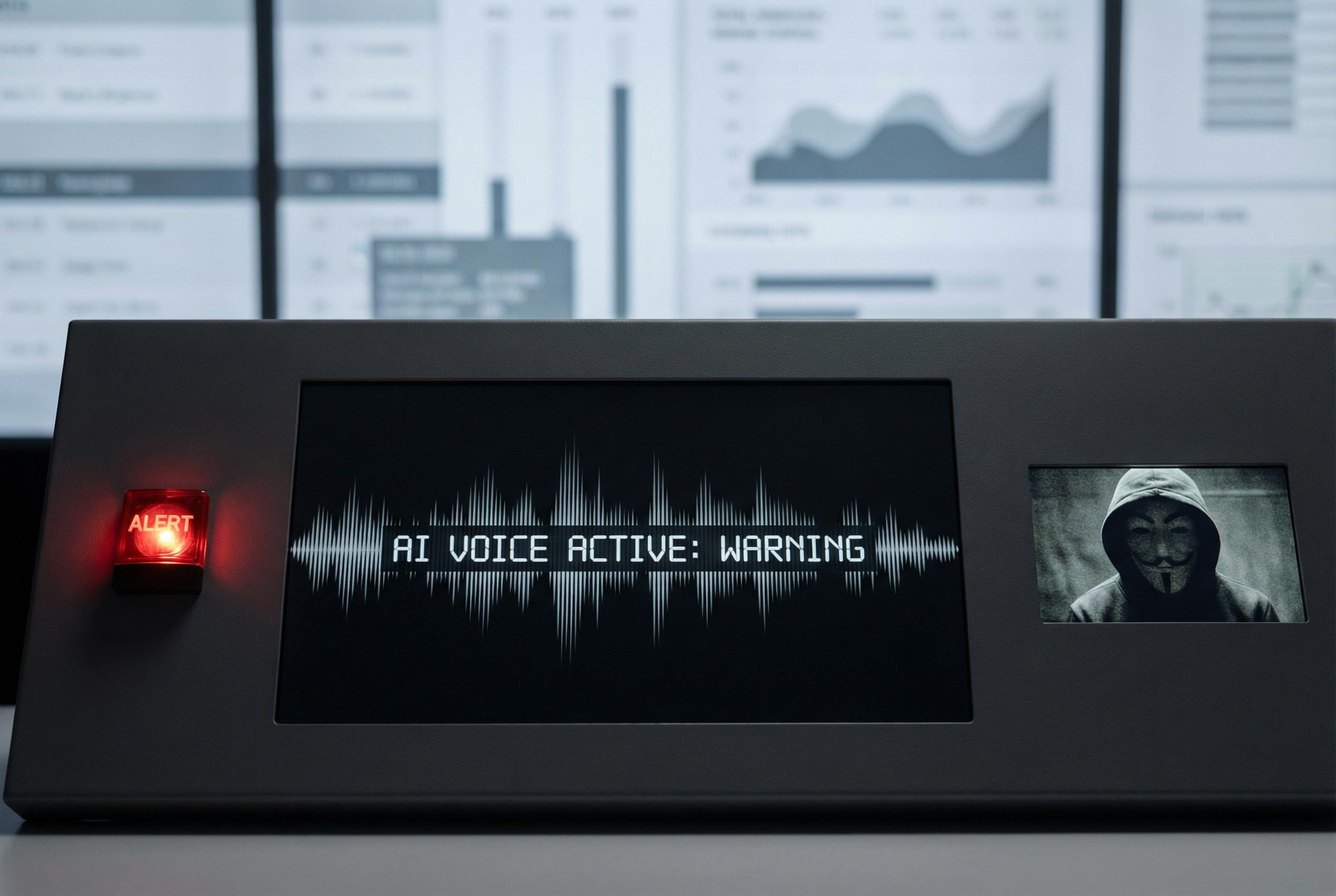
Artificial intelligence has recast how voices are created and delivered, turning what was once experimental research into a suite of practical tools that touch accessibility, entertainment and commercial communications. According to the TechTimes overview, modern voice cloning uses machine learning to produce synthetic speech that closely mirrors an individual’s vocal characteristics, enabling new forms of narration, personalised assistants and restorative voice solutions. (Inspired by headline at: [1])
The technical process begins with collecting audio samples that capture a speaker’s timbre, rhythm and inflection. Neural architectures such as waveform and sequence-to-sequence models analyse those samples and learn how to generate novel utterances in the same voice; some systems now produce credible results from only a few seconds of input. Industry developers are concentrating on expressiveness, emotional nuance and contextual rendering to make synthetic speech sound less mechanical, according to vendor descriptions and developer reports. [2],[5]
Benefits of the technology are tangible across several domains. In healthcare, for example, cloning can preserve a patient’s natural voice before surgery or progressive illness, offering continuity of identity and easing communication barriers. In media and marketing, consistent brand voices and rapid multilingual localisation cut production time and cost while enabling scalable personalization. Customer-service platforms increasingly adopt natural-sounding synthetic voices to reduce repetition and deliver round‑the‑clock support. These use cases are documented in product literature and sector analyses. [3],[5]
Yet the gains come with substantial risks. Voice cloning can be weaponised for scams, social engineering and misinformation campaigns, and it undermines voice-based authentication methods used by some financial and service providers. Privacy advocates warn that a person’s voice functions as biometric data, so unauthorised replication can violate personal autonomy and create new avenues for fraud. Industry and policy commentators urge stronger safeguards to prevent misuse. [4],[6]
Ethical and legal questions are multiplying as the technology proliferates. Analysts recommend explicit consent for training data, clear ownership and licensing arrangements for replicated performances, and transparent disclosure when synthetic speech is used commercially or publicly. Some practitioners and legal commentators also promote traceability measures such as embedded metadata or digital watermarks to help distinguish human recordings from machine-generated audio. Best-practice frameworks emphasise consent, accountability and security. [2],[7]
Detection and mitigation efforts are developing alongside synthesis. Researchers and commercial teams are building tools that spot algorithmic artefacts, waveform inconsistencies or telltale spectral signatures, while platform operators are piloting watermarking and provenance metadata. Public-awareness initiatives complement technical defences by encouraging verification of suspicious recordings shared online. Telecom and security reporting stresses that detection tools must evolve in step with synthesis capabilities. [4],[6]
The debate about who should control and profit from synthetic voices is especially acute for performers and voice professionals. Creators and agencies are asking for licensing regimes and remuneration models that acknowledge the economic value of voice likenesses, while some vendors pledge ethical guardrails and consent workflows in their offerings. These industry dynamics suggest that commercial standards and contract practices will shape how voice cloning is monetised and governed. [5],[7]
Looking ahead, developers expect incremental improvements in emotional realism and contextual adaptability, with synthesis integrated into immersive experiences such as virtual reality and interactive gaming. Policymakers, researchers and companies must balance innovation with protections that preserve trust, protecting individuals’ biometric identities and preventing exploitation. As commentators note, thoughtful deployment, grounded in consent, transparency and verifiable provenance, will determine whether synthetic voices amplify human potential or erode the authenticity that underpins communication. [2],[3]
Source Reference Map
Inspired by headline at: [1]
Sources by paragraph:
- Paragraph 1: [2],[5]
- Paragraph 2: [5],[7]
- Paragraph 3: [3],[5]
- Paragraph 4: [4],[6]
- Paragraph 5: [2],[7]
- Paragraph 6: [4],[6]
- Paragraph 7: [5],[7]
- Paragraph 8: [2],[3]
Source: Noah Wire Services