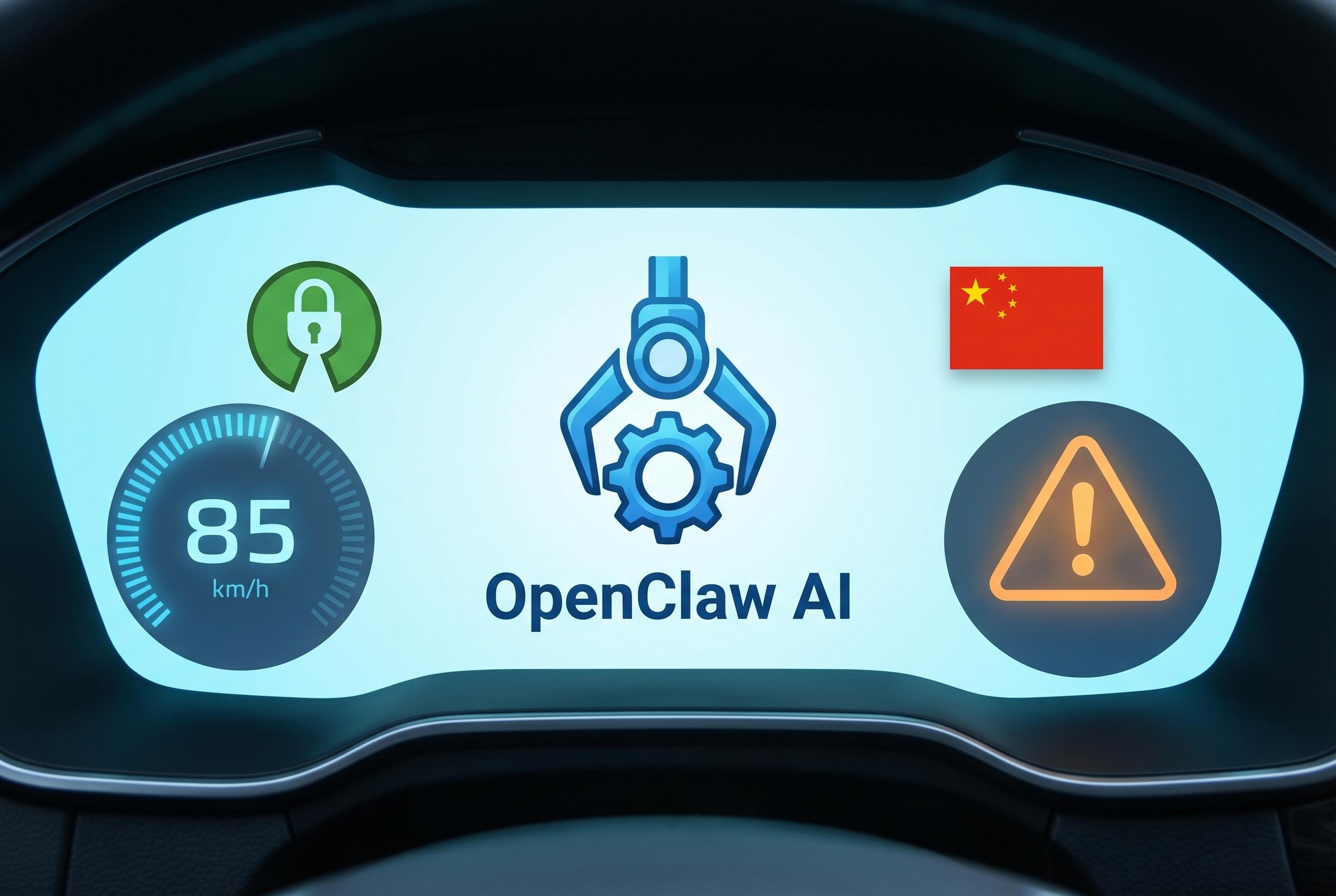
China’s latest AI enthusiasm has centred on OpenClaw, an open-source agent that has spread rapidly from developers into mainstream use and prompted a wave of enthusiasm, concern and policy response. Developed in November 2025 by a retired Austrian engineer, the tool’s red lobster logo gave rise to the phrase “raising lobsters” in China for the process of installing and tuning it. The phenomenon accelerated after Nvidia chief executive Jensen Huang praised OpenClaw at the 2026 GTC conference, describing it as a landmark open-source project and a key building block for the agent era.
Unlike conventional chatbots, OpenClaw is designed to do more than answer questions. According to descriptions of the platform, it can retain memory, invoke software tools and carry out digital tasks autonomously, from checking email to scheduling work. That functionality has made it attractive to users looking for always-on assistance, but also helped frame it as a step towards more capable “agentic” AI systems rather than a simple text generator.
The craze has not been confined to hobbyists. China Briefing reported that OpenClaw’s adoption widened from early tech users to cloud providers, major technology firms and even local governments, reflecting a broader push to embed AI in business and public services. Asia Times said companies including Tencent and Alibaba helped promote the tool, while Bloomberg reported that investor optimism around agent-style AI lifted related Chinese shares after Huang’s comments.
But the same qualities that made OpenClaw popular also fed unease. Because it can operate directly on a user’s machine and requires broad permissions, cybersecurity analysts warned that it could expose systems to misuse, data leakage and malware-style attacks. Reuters-style reporting from Chinese state-linked media and industry notices has highlighted official warnings about limiting permissions and reducing exposure to the internet, while some reports said government computers were barred from using the software and that ministries issued guidance on safer deployment.
The backlash produced its own market. Chinese users began seeking help not only to install OpenClaw but also to remove it after receiving unexpectedly large cloud and token bills, or after worrying about security. That tension between excitement and fear has become emblematic of China’s wider AI race: a rapid embrace of agentic tools, a scramble by companies and local authorities to keep up, and a parallel effort by regulators to contain the risks.
Source Reference Map
Inspired by headline at: [1]
Sources by paragraph:
- Paragraph 1: [2], [5]
- Paragraph 2: [2], [4], [6]
- Paragraph 3: [3], [4], [5]
- Paragraph 4: [4], [6], [7]
- Paragraph 5: [1], [3], [7]
Source: Noah Wire Services