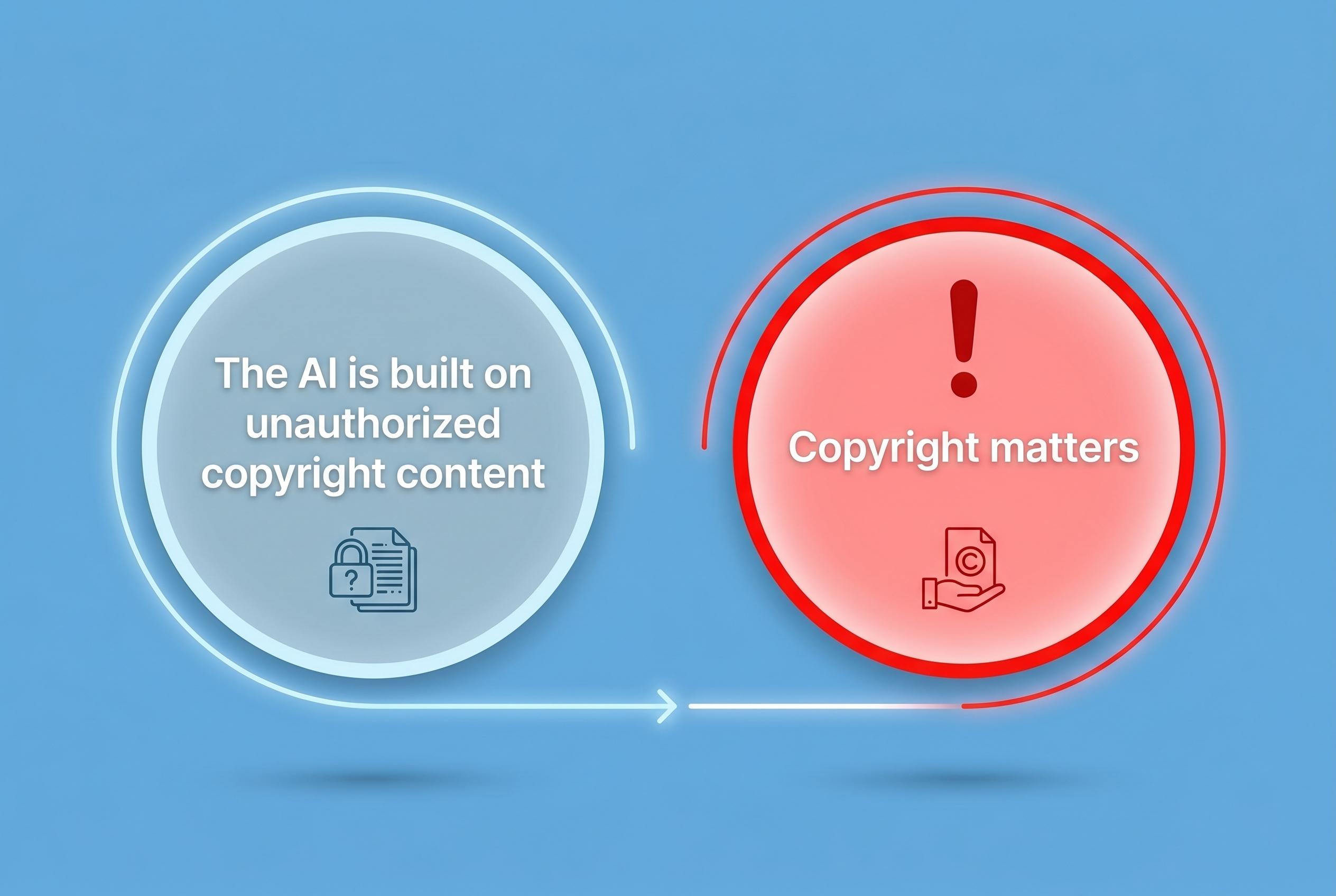
The president of Spain’s largest newspaper publishers' association warns that artificial intelligence must not be built on unauthorised copyrighted content, highlighting industry concerns as AI reshapes journalism and threatens to exacerbate misinformation.
The president of Spain’s largest association of newspaper publishers has warned that artificial intelligence must not be built on the unauthorised use of copyrighted material, arguing that the sector faces a decisive adjustment as the technology reshapes how news is created, distributed and consumed. Speaking at the opening of CLABE’s 20th Editors’ Congress in Logroño, Arsenio Escolar said publishers now face a new digital environment that demands adaptation if they are to remain viable.
According to CLABE, the association represents 225 business groups and around 1,500 titles across print and digital formats, ranging from specialist publications to niche outlets. Escolar said that diversity gives the organisation a broad view of the pressures on the Spanish media industry, which has already been forced to adapt to one major technological shift with the rise of the internet and now confronts a second, potentially more disruptive one with AI.
He also linked the spread of generative tools to the rise in misinformation, saying that AI systems can make it easier for manipulated images and false content to circulate as authentic. At the same time, he argued that human judgement remains irreplaceable, insisting that creativity and talent cannot be overtaken by machines.
The concerns echo wider debates in publishing and journalism. The Authors Guild and other industry groups have raised similar objections to AI models trained on protected works, while academic research and policy discussions have increasingly focused on how copyright, authorship and compensation should be handled in the age of machine-generated content. Spain has already moved to update its copyright framework in recent years, reflecting the country’s effort to balance digital innovation with protection for creators.
Source Reference Map
Inspired by headline at: [1]
Sources by paragraph:
Source: Noah Wire Services
Noah Fact Check Pro
The draft above was created using the information available at the time the story first
emerged. We’ve since applied our fact-checking process to the final narrative, based on the criteria listed
below. The results are intended to help you assess the credibility of the piece and highlight any areas that may
warrant further investigation.
Freshness check
Score:
8
Notes:
The article was published on April 16, 2026, which is recent. However, the content references events from December 2024, which may affect the perceived freshness. The narrative appears to be original, with no evidence of being recycled from other sources. The article is based on a press release from the Club Abierto de Editores (CLABE), which typically warrants a high freshness score. No discrepancies in figures, dates, or quotes were found.
Quotes check
Score:
7
Notes:
The article includes direct quotes from Arsenio Escolar, president of CLABE. These quotes are consistent with his previous statements found in other sources. However, the earliest known usage of these quotes cannot be determined, raising concerns about their originality. No variations in wording were found, but the inability to independently verify the earliest usage of these quotes is a concern.
Source reliability
Score:
6
Notes:
The primary source is a press release from CLABE, which is a reputable organisation within Spain's media industry. However, as the source is self-published, it may lack independent verification. The article also references other sources, including Atalayar and the Community of Literary Magazines and Presses (CLMP), which are less well-known and may not be as reliable. The reliance on a single, self-published source and lesser-known references raises concerns about the overall reliability of the information.
Plausibility check
Score:
7
Notes:
The claims made in the article align with known industry concerns about AI and copyright. Similar discussions have been reported by other reputable outlets. However, the lack of direct quotes from independent sources and the reliance on a single press release reduce the overall plausibility score.
Overall assessment
Verdict (FAIL, OPEN, PASS): FAIL
Confidence (LOW, MEDIUM, HIGH): MEDIUM
Summary:
The article presents information based on a press release from CLABE, which raises concerns about the independence and reliability of the source. The inability to independently verify the earliest usage of direct quotes further diminishes the credibility of the content. While the claims are plausible and align with known industry concerns, the lack of independent verification and reliance on a single source lead to a FAIL verdict with medium confidence.