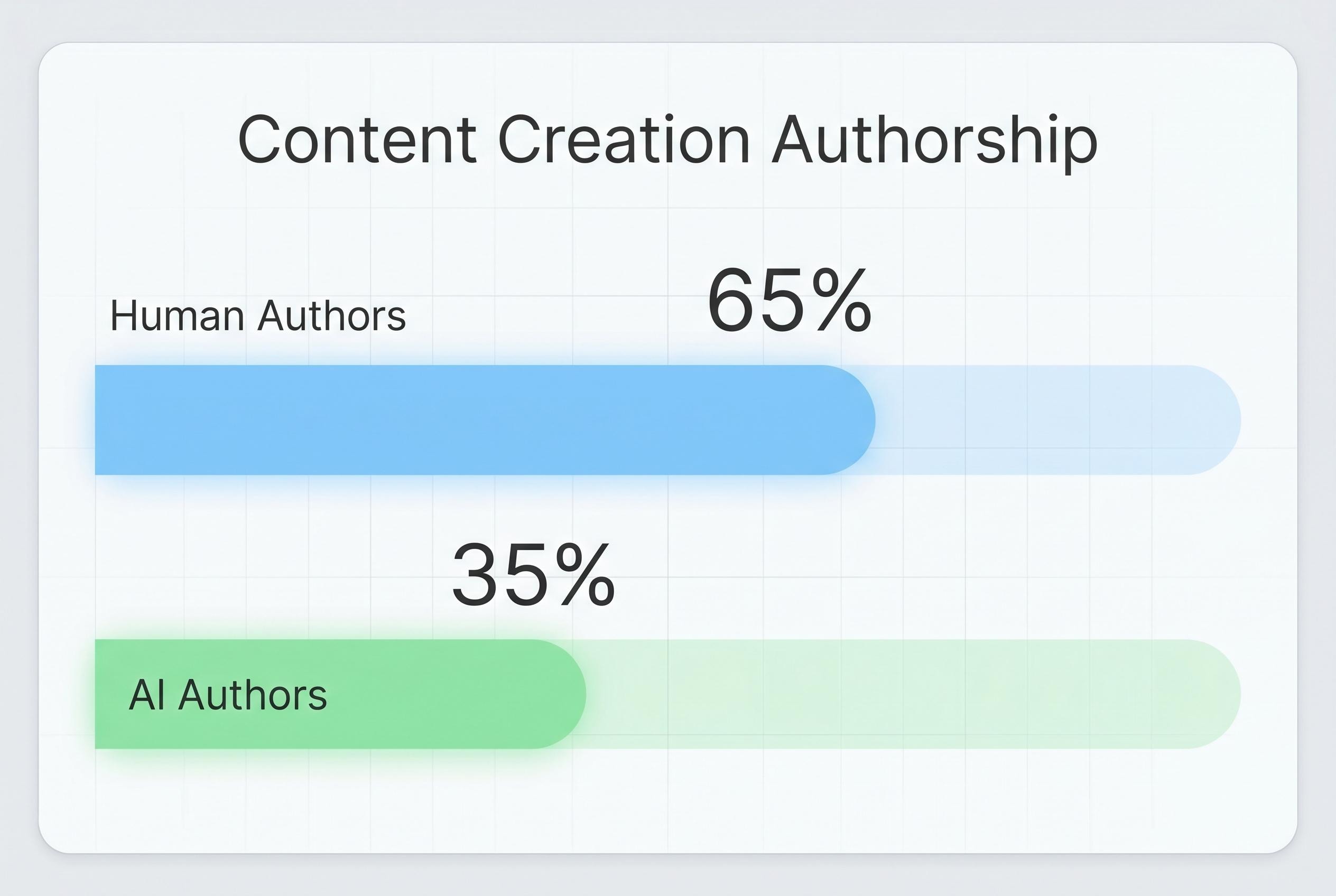
As debates intensify over AI-generated content, writers defend the human touch in punctuation, while industry efforts to certify authenticity reveal a complex landscape of trust and disclosure.
The latest skirmish in the AI culture war has landed on one of the oldest marks in writing: the em dash. Ann Handley has made a spirited defence of the punctuation mark, arguing that it should not be treated as evidence of machine authorship, and warning against a growing tendency to read style as a forensic clue. Her point is simple enough: real writing is often uneven, rhythmic and idiosyncratic, and those flaws are part of what makes it human.
That debate has become more heated as companies, publishers and media organisations confront a wave of AI-generated material and the backlash it has prompted. The New York Times reported that Hachette withdrew a novel after it was found to have been generated by AI, while The Atlantic highlighted a column that was flagged by detection software, underscoring how unreliable such tools can be when they are asked to distinguish between human and machine writing. The result is a climate in which suspicion is rising almost as fast as the use of AI itself.
According to the BBC, there are now at least eight separate efforts to create some kind of "AI-free" label, modelled loosely on the logic of Fair Trade certification. Terms such as "Proudly Human", "Human-made" and "No A.I." are appearing across books, films and marketing, reflecting demand for clearer disclosure as generative tools spread. But even among researchers, there is no settled definition of what counts as fully human-made content. AI scientist Sasha Luccioni has said that because AI is now embedded across platforms and services, it is difficult to draw a clean technical boundary, and that a spectrum-based system may be more realistic than a simple AI versus AI-free divide.
For now, that leaves writers, publishers and audiences navigating a murky middle ground. Some organisations are trying to certify authenticity, while others are simply trying to avoid false accusations of machine writing. In that atmosphere, even a punctuation mark can become a proxy for a much larger argument about authorship, disclosure and trust.
Source Reference Map
Inspired by headline at: [1]
Sources by paragraph:
Source: Noah Wire Services
Noah Fact Check Pro
The draft above was created using the information available at the time the story first
emerged. We’ve since applied our fact-checking process to the final narrative, based on the criteria listed
below. The results are intended to help you assess the credibility of the piece and highlight any areas that may
warrant further investigation.
Freshness check
Score:
8
Notes:
The article was published on April 20, 2026, and references events up to March 2026, indicating timely reporting. However, the content primarily discusses ongoing debates and initiatives related to AI-generated content, which have been topics of discussion for several months. This suggests that while the article is current, the subject matter has been in the public discourse for some time.
Quotes check
Score:
7
Notes:
The article includes direct quotes from Ann Handley and references statements from AI scientist Sasha Luccioni. While these quotes are attributed and relevant, they are not independently verifiable through the provided sources. The lack of direct links to the original statements raises concerns about the authenticity and context of the quotes.
Source reliability
Score:
6
Notes:
The primary source, Marketoonist, is a personal blog by Tom Fishburne, a marketing cartoonist. While Fishburne is known for his commentary on marketing and AI, the blog is not a traditional news outlet and may lack editorial oversight. The reliance on a single, non-journalistic source diminishes the overall reliability of the information presented.
Plausibility check
Score:
7
Notes:
The article discusses ongoing debates about AI-generated content and the use of em dashes as indicators of machine authorship. These topics are plausible and align with current discussions in the publishing and technology sectors. However, the article's reliance on a single source and the lack of independent verification of claims about AI detection initiatives and certifications raise questions about the comprehensiveness and accuracy of the information.
Overall assessment
Verdict (FAIL, OPEN, PASS): FAIL
Confidence (LOW, MEDIUM, HIGH): MEDIUM
Summary:
The article presents timely and plausible information on the debate over AI-generated content and the use of em dashes as indicators of machine authorship. However, it relies solely on a single, non-journalistic source without independent verification, raising concerns about the reliability and accuracy of the information. The lack of corroborating sources and the inability to verify key claims independently contribute to a medium level of confidence in the content's credibility.