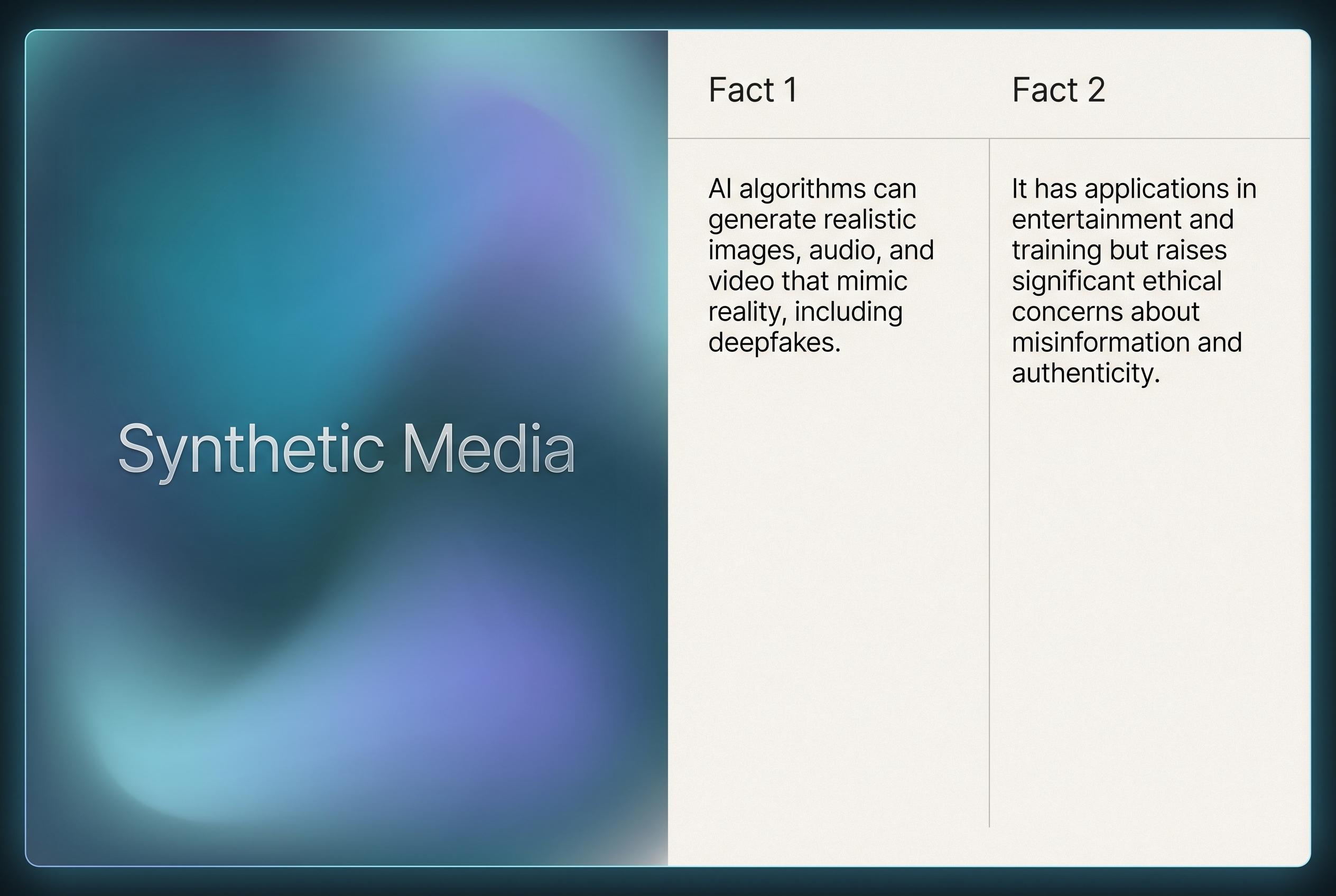
OpenAI has unveiled a new version of its image generator, ChatGPT Images 2.0, and is using a series of deliberately deceptive-looking samples to show how far the system has come. In a livestream on Tuesday, chief executive Sam Altman praised the update, while OpenAI’s own promotional examples included fake screenshots, magazine-style layouts and other images designed to resemble real-world media. The company says the model has a form of "thinking" capability, allowing it to reason through more complex prompts and check its own output. Business Insider reported that one of the examples even mimicked a Chrome window on a Mac, underscoring how easily the new tool can blur the line between authentic and synthetic imagery.
According to OpenAI, the latest model is built to be more precise, with better instruction-following, stronger text rendering and support for output at up to 2K resolution. Axios reported that the company is positioning the tool for professional use, including advertisements, posters and design mock-ups, while TechCrunch said it performs notably well at generating readable text inside images. OpenAI also says the system can work across multiple languages, including Japanese, Korean, Chinese, Hindi and Bengali, widening its appeal beyond English-language prompts.
The release also raises familiar questions about copyright and creative ownership. OpenAI told Business Insider that it does not aim to reproduce specific artworks, but instead generates images from patterns learned during training. The company said it blocks the copying of individual living artists’ styles, although broader studio aesthetics remain fair game. Mitch Stoltz, the Electronic Frontier Foundation’s IP litigation director, told Business Insider that the legal line is more likely to be crossed when a generated image is substantially similar to protected material, rather than merely evoking an idea, style or general mood.
That distinction matters at a time when OpenAI is already facing a string of copyright cases from writers and publishers, including The New York Times and George R.R. Martin. Stoltz told Business Insider that the legal issues are not fundamentally different from what might happen with Photoshop or a traditional artist, but the societal implications are sharper because the technology makes reproduction faster, easier and far more widely available. For OpenAI, the pitch is clear: the model is meant to be more useful for serious creative work. For everyone else, it is another reminder that the tools for making convincing fakes are getting better very quickly.
Source Reference Map
Inspired by headline at: [1]
Sources by paragraph:
- Paragraph 1: [1], [2], [3]
- Paragraph 2: [2], [3], [6], [7]
- Paragraph 3: [1], [4], [5]
- Paragraph 4: [1]
Source: Noah Wire Services