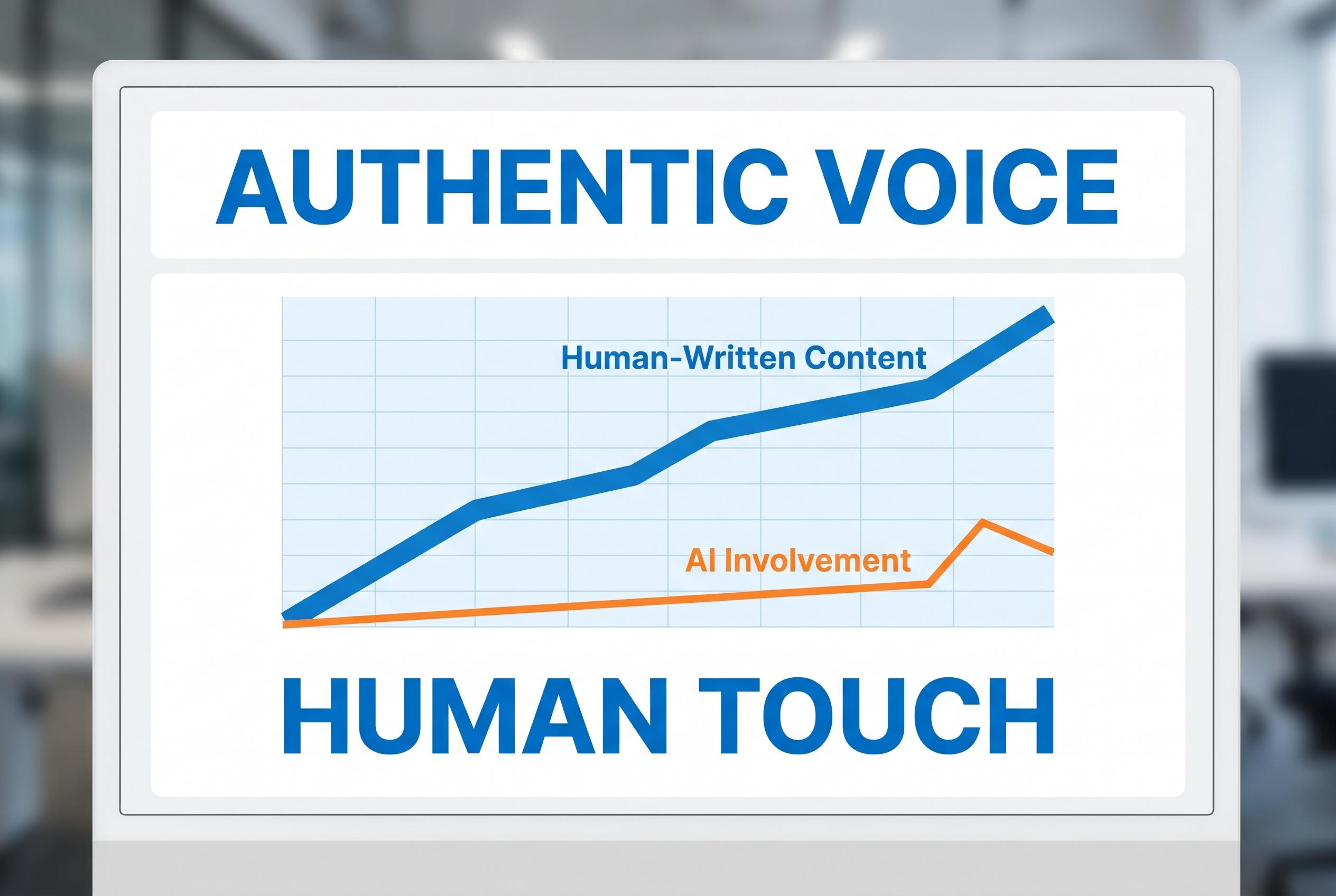
A new analysis reveals that while most top Substack newsletters remain human-written, AI involvement is increasing in certain niches, challenging the authenticity of online publishing.
Taylor Lorenz has turned her attention to a question that has become increasingly hard for editors and readers to ignore: how much of Substack is actually written by humans? In an analysis of thousands of posts from leading newsletters, she used Pangram’s AI-detection tool to test whether top-performing publications were relying on machine-generated text or human authorship. Her conclusion was that much of the platform’s premium content still appears to be written by people, but that the picture varies sharply by topic and publication.
According to Lorenz’s findings, around two-thirds of the top publications she examined showed no detectable AI-generated content. But the analysis also pointed to clear pockets of heavier AI use, especially in Technology, Philosophy and Health. Technology stood out most, with about 28% AI involvement, suggesting that the line between reporting, commentary and automated content is already beginning to blur in some of Substack’s most active niches.
The stakes are not merely theoretical. Lorenz highlighted a viral AI-generated post about a fictional debate between Elon Musk and Keanu Reeves, which attracted roughly 25,000 likes and nearly 5,000 reposts. That kind of engagement suggests that synthetic writing is no longer confined to obscure corners of the web; it can now travel widely, especially when it is tuned for novelty, outrage or entertainment. WIRED has also reported on Pangram Labs’ Chrome extension, which has been used to flag AI-written content across platforms including Substack, Reddit, LinkedIn and X.
The broader backdrop is a publishing ecosystem already struggling to keep pace with automated output. A separate academic audit of American newspapers found that roughly 9% of newly published articles were partly or fully AI-generated, with heavier use concentrated in smaller outlets and subjects such as weather and technology. Taken together, the evidence points to an industry in transition: human-written work remains dominant in many places, but AI is steadily seeping into the pipeline, and the most visible platforms are becoming harder to trust at a glance.
Source Reference Map
Inspired by headline at: [1]
Sources by paragraph:
Source: Noah Wire Services
Noah Fact Check Pro
The draft above was created using the information available at the time the story first
emerged. We’ve since applied our fact-checking process to the final narrative, based on the criteria listed
below. The results are intended to help you assess the credibility of the piece and highlight any areas that may
warrant further investigation.
Freshness check
Score:
8
Notes:
The article was published on April 27, 2026, which is recent. However, the analysis references a viral AI-generated post from March 2025, indicating that the topic has been discussed for over a year. ([usermag.co](https://www.usermag.co/p/how-much-of-substack-is-actually-ai-pangram-analysis-substack-bestsellers?utm_source=openai))
Quotes check
Score:
7
Notes:
The article includes direct quotes from Taylor Lorenz's analysis. While these quotes are consistent with her known writing style, they cannot be independently verified without access to the original source. ([usermag.co](https://www.usermag.co/p/how-much-of-substack-is-actually-ai-pangram-analysis-substack-bestsellers?utm_source=openai))
Source reliability
Score:
6
Notes:
The article is published on User Mag, a Substack newsletter run by Taylor Lorenz. While Lorenz is a reputable journalist, the publication is self-hosted, which may raise concerns about editorial oversight and potential biases. ([usermag.co](https://www.usermag.co/p/how-much-of-substack-is-actually-ai-pangram-analysis-substack-bestsellers?utm_source=openai))
Plausibility check
Score:
8
Notes:
The claims about AI-generated content on Substack align with broader industry trends. However, the reliance on a single source (Lorenz's analysis) without independent verification limits the ability to fully assess the accuracy of these claims.
Overall assessment
Verdict (FAIL, OPEN, PASS): FAIL
Confidence (LOW, MEDIUM, HIGH): MEDIUM
Summary:
The article presents claims about AI-generated content on Substack based on Taylor Lorenz's analysis. While the topic is timely and relevant, the reliance on a single, self-hosted source without independent verification raises concerns about the accuracy and reliability of the information presented. ([usermag.co](https://www.usermag.co/p/how-much-of-substack-is-actually-ai-pangram-analysis-substack-bestsellers?utm_source=openai))