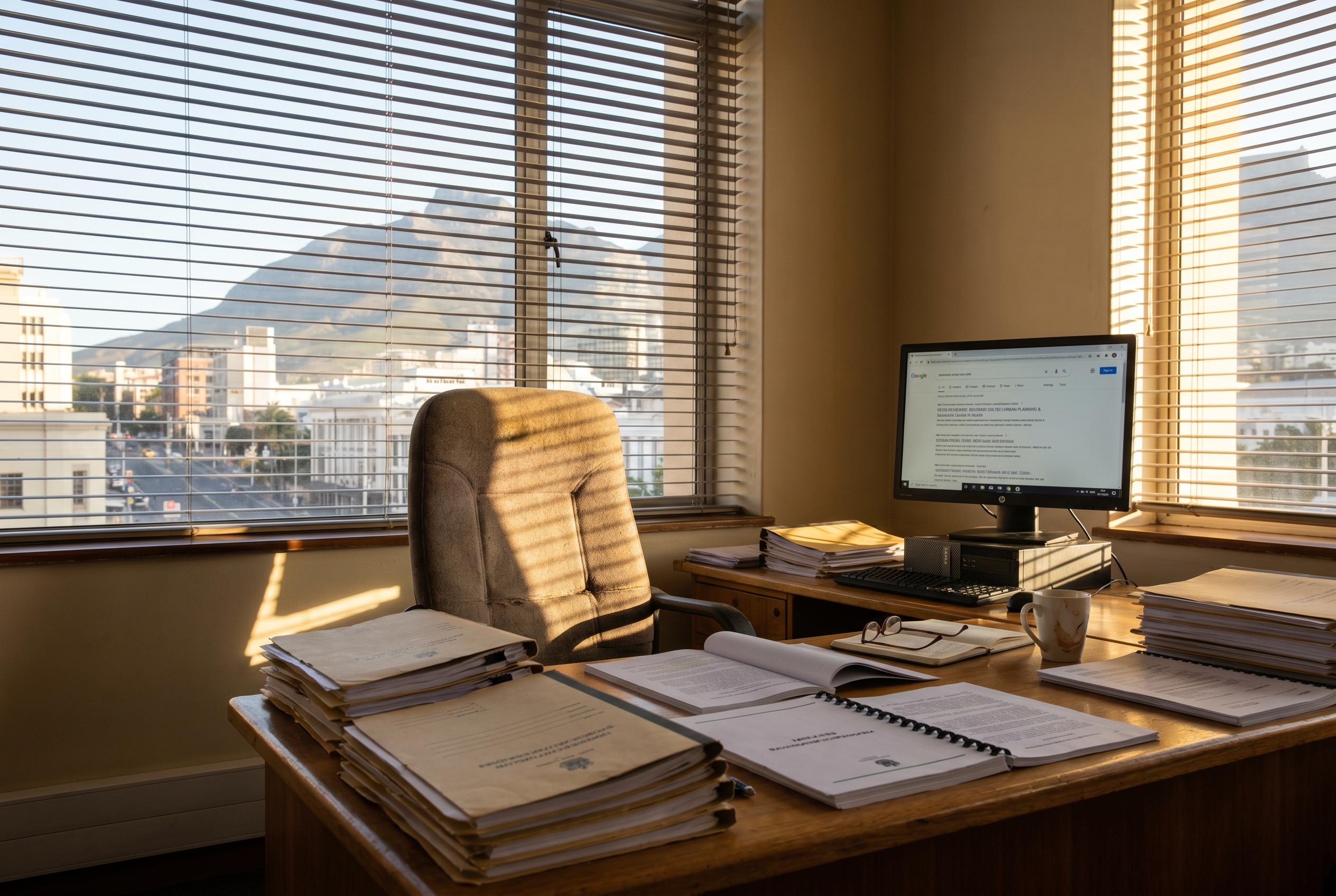
South Africa has withdrawn its draft national AI policy after officials identified fabricated academic references, raising concerns over AI-generated misinformation in official documents and the need for stronger verification processes.
South Africa has pulled back its draft national artificial intelligence policy after officials discovered that several of the academic references it relied on did not exist, according to Reuters and local reporting. The withdrawal has cast doubt on a document that was meant to set the country’s direction on AI governance, while also exposing how easily synthetic text can slip into formal policy work when human checking is weak.
Communications Minister Solly Malatsi said the most likely explanation was that AI-generated citations had been inserted without proper verification, Reuters reported. He said the breach damaged the credibility of the draft and signalled that those involved in preparing it could face consequences. The incident has also sharpened concerns about whether public institutions are adequately equipped to detect fabricated material produced by generative AI tools.
The draft, released for public comment on 10 April, set out an ambitious framework for positioning South Africa as a regional leader in AI development. According to Reuters, it proposed the creation of a National AI Commission, an AI Ethics Board and an AI Regulatory Authority, alongside tax breaks and grant support designed to encourage investment and innovation.
Commentary from The Conversation and other outlets treated the episode as a warning about the limits of current AI systems and the need for stronger verification before such tools are used in official work. MIT Technology Review, BBC News and Al Jazeera likewise framed the withdrawal as part of a broader debate over AI governance: how governments can encourage adoption of the technology while still ensuring that documents, recommendations and references are checked by people with the authority to catch errors.
Source Reference Map
Inspired by headline at: [1]
Sources by paragraph:
Source: Noah Wire Services
Noah Fact Check Pro
The draft above was created using the information available at the time the story first
emerged. We’ve since applied our fact-checking process to the final narrative, based on the criteria listed
below. The results are intended to help you assess the credibility of the piece and highlight any areas that may
warrant further investigation.
Freshness check
Score:
10
Notes:
The article reports on a recent event, with the latest sources dated April 27, 2026. No evidence of recycled or outdated content was found.
Quotes check
Score:
8
Notes:
Direct quotes from Minister Solly Malatsi are consistent across multiple sources. However, the exact wording of some quotes varies slightly between reports, which may indicate paraphrasing or slight alterations.
Source reliability
Score:
9
Notes:
The article cites reputable sources such as Reuters, BBC News, and Al Jazeera. However, the primary source of the information is a press release from the South African government, which may introduce bias or lack independent verification.
Plausibility check
Score:
9
Notes:
The claims about fictitious citations in the draft AI policy are plausible and align with known issues of AI-generated misinformation. However, the exact details of the fabricated sources are not specified, which limits full verification.
Overall assessment
Verdict (FAIL, OPEN, PASS): PASS
Confidence (LOW, MEDIUM, HIGH): MEDIUM
Summary:
The article reports on a recent event regarding South Africa's withdrawal of its draft AI policy due to fictitious citations. While the content is timely and sourced from reputable outlets, the primary information stems from a government press release, which may lack independent verification. Additionally, slight variations in quoted statements suggest potential paraphrasing or alterations. Given these factors, the overall confidence in the article's accuracy is medium.