Tobias Ellwood, a former defence minister and ex-British Army captain turned Conservative MP, has issued a serious warning urging UK residents to prepare for the possibility of a Russian attack targeting the country’s critical infrastructure. Speaking to the Express, Ellwood highlighted concerns that Russia could seek to destabilise the UK by targeting essential services such as water, gas, electricity, and computer systems, potentially causing widespread "confusion and panic."
Ellwood, who has also served as a Foreign Office minister and chaired the Commons Defence Committee, stressed the importance of civilian preparedness, advising that "every home, business and organisation needs to be able to function for at least 72 hours without outside help." He urged households to stockpile crucial supplies, emphasising the need to have enough resources to manage three days without power, water, or internet access.
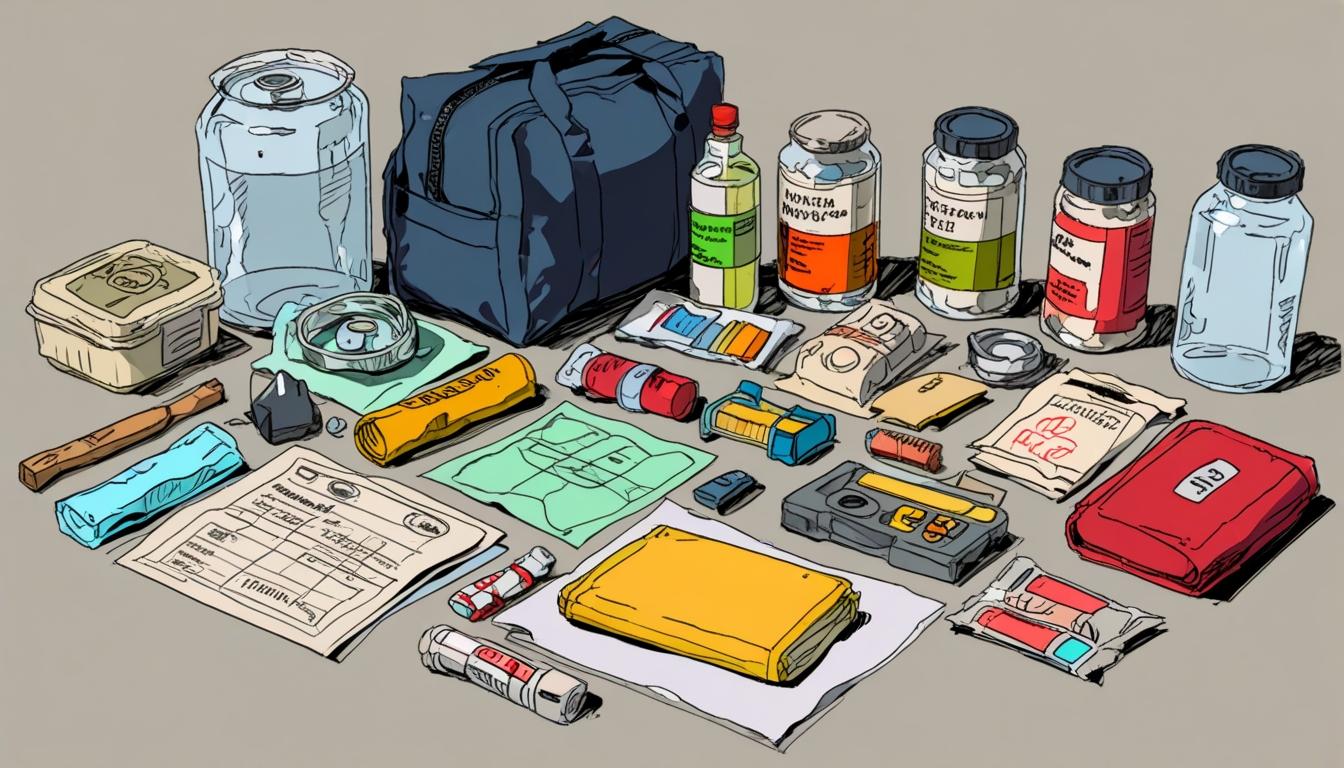
In an article for House Magazine, Ellwood provided a detailed list of items that he believes every household should consider having on hand to mitigate the impact of such an attack. These include:
100 litres of clean water
Non-perishable food, ideally ready to eat or able to be consumed cold
Candles and a working torch
A battery-powered radio to stay informed with news updates
Iodine tablets for protection in case of nuclear fallout
Money in cash form, should cash machines and card readers fail
A basic first aid kit
Ellwood described the potential threat as a "grey-zone" attack, a term used to denote hostile actions that fall short of traditional military warfare but can effectively weaken a nation’s cohesion and resilience. He warned that Russia's approach would not be limited to military confrontations but would extend to broader efforts aimed at undermining UK security and society.
He pointed out recent intelligence revelations about Russia placing sensors in British waters, with several devices washing ashore. In response, he mentioned that the Royal Navy is enhancing its threat-detection capabilities and developing unmanned underwater vehicles to counter such dangers. Yet, Ellwood insisted that the response to this emerging threat must reach beyond military measures to include civilian readiness and resilience.
Highlighting actions across Europe, he referenced how countries such as Germany, France, and Scandinavian states are taking steps to boost civilian preparedness, with Poland even reintroducing national service. Ellwood called for the UK to adopt a similar mindset, suggesting that local authorities should devise contingency plans to support citizens in the event of an emergency.
Ellwood concluded with a firm message: "The era of complacency is over. A significant grey-zone attack on the UK is not just possible - it's likely. If we want to protect our lives, our economy and our democracy, we must get ready now. Let's prepare. Let's take responsibility. Because safeguarding Britain starts with all of us."
Meanwhile, tensions regarding the ongoing conflict in Ukraine remain high. Russia has expressed strong opposition to proposals involving British soldiers participating in a potential peacekeeping mission in Ukraine. Sergei Shoigu, Russia’s security council secretary and former defence minister, warned that such moves could provoke a direct conflict between NATO and Russia. Speaking firmly, Shoigu stated, "Sensible politicians in Europe understand that the implementation of such a scenario could lead to a direct clash between NATO and Russia and subsequently to World War Three."
The Examiner Live is reporting on these developments, highlighting the complexities and heightened security concerns facing the UK amid ongoing geopolitical tensions with Russia.
Source: Noah Wire Services