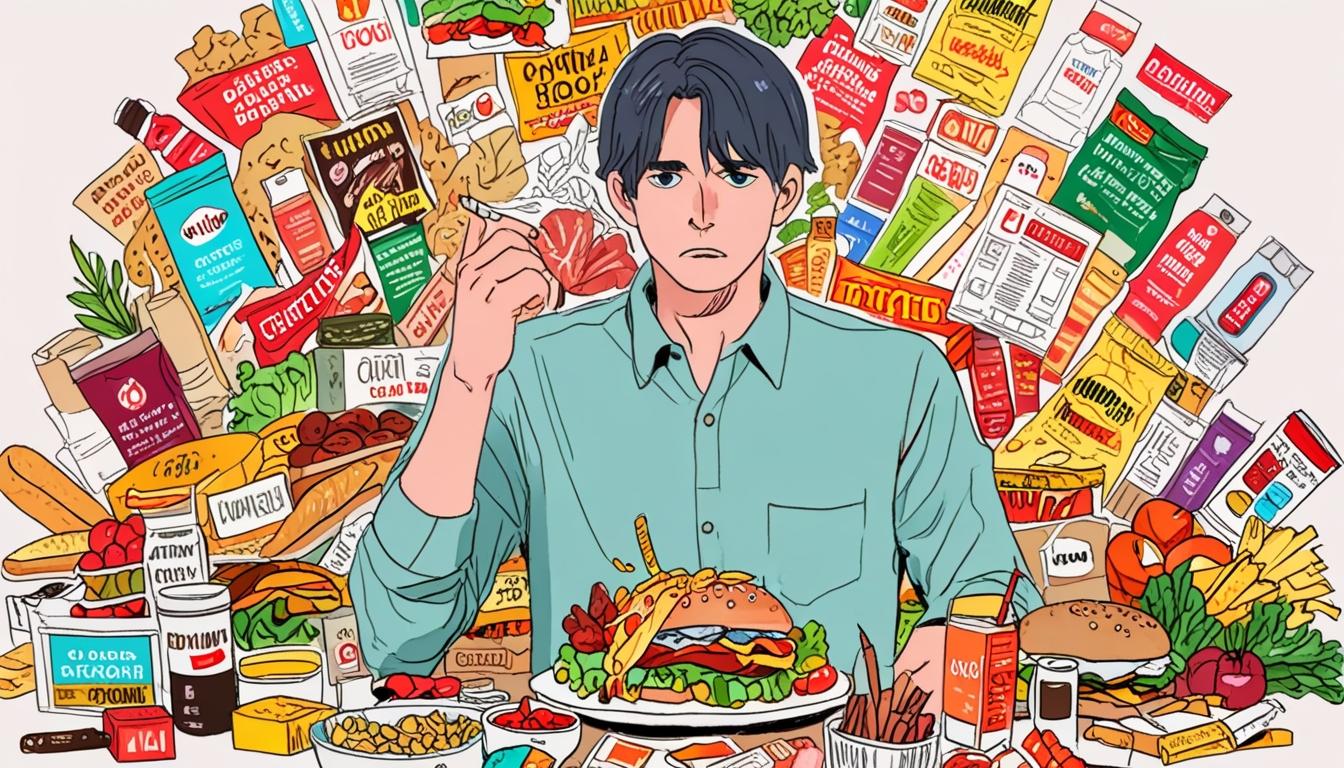
Dr Chris van Tulleken, a prominent infection disease specialist and BBC science presenter, has issued a stark warning about the dangers of consuming ultra-processed foods (UPFs), suggesting that such diets may be more harmful than smoking in terms of their impact on health and longevity. Speaking on the Diary of a CEO podcast hosted by Steven Bartlett, Dr Chris detailed the growing global health crisis linked to the prevalence of UPFs, describing the issue as a "pandemic of disease" driven by poor dietary choices.
Dr Chris, who is also known for his involvement in public health projects, highlighted the historical confusion surrounding healthy eating. He explained that for many years, harmful foods were loosely categorized as "junk" or "processed", focusing primarily on high-fat, salt, and sugar content without adequately capturing the full extent of their health consequences. "We've called the foods that harm us junk food and processed food - high fat, salt and sugar food. We've not had a way of labeling food even as a pandemic of disease has taken over the world," he stated, as reported by Birmingham Live.
The problem, Dr Chris emphasised, transcends geographical and socioeconomic boundaries. It disproportionately affects low-income populations not only in the UK but also in impoverished countries worldwide. He underlined that diets rich in ultra-processed foods have overtaken tobacco as the leading cause of early death globally, affecting humans as well as farmed and wild animals.
Beyond the health implications, Dr Chris drew attention to the extensive environmental toll associated with the production of ultra-processed foods. He cited that the industrial food systems responsible for these products are the leading cause of biodiversity loss, the second-largest contributor to carbon emissions, and the primary source of plastic pollution. He noted, "So about 12 years ago, the definition was developed to describe a western industrial American diet... much of the best work on this stuff has been done by teams in Central and South America."
Dr Chris described a dramatic shift in public health trends in countries such as Mexico, Colombia, and Brazil over the last decade, where obesity was once rare but has surged alongside the influx of industrial processed foods commonly associated with Western diets. "Within a decade, it went to being the dominant public health problem," he said, with an increase in serious health outcomes such as amputations due to type two diabetes. The evidence now clearly links ultra-processed food to not only widespread weight gain and obesity but also a host of chronic diseases and premature mortality.
The expert also likened the appeal of UPFs to addictive substances. "The addictive nature of UPFs means they can be compared to tobacco, alcohol, gambling, and drugs for some individuals," he remarked, adding that research confirms no known health benefits of consuming ultra-processed foods. Dr Chris cautioned that simply urging individuals to cut out such foods is ineffective and may even reinforce unhealthy behaviour.
On the health effects, he stated, "High UPF consumption is associated with an increased risk of a variety of chronic diseases and mental health disorders." In contrast, he said diets low in ultra-processed foods could provide substantial public health benefits.
Reinforcing the impact of Dr Chris’s message, one viewer shared an inspiring personal testimony on YouTube. After watching his discussion on UPFs, the individual radically changed their diet from 6th June 2023, nearly eliminating ultra-processed foods. "Initially I thought it'd be impossible to find foods without crap in it but it's actually been really easy," they said, describing their shift to snacking on fruit and nuts, enjoying a variety of home-cooked meals, and healthier breakfast options including natural yoghurt and bakery bread.
The viewer reported significant weight loss, dropping from 112kg to 99.9kg over five months, aided by a routine of daily one-hour walks. They also noted that their meals still contained familiar elements such as meat, cheese, and starchy foods, and they hadn’t reduced portion sizes or undertaken additional exercise.
Dr Chris van Tulleken’s commentary adds to a growing body of research and public discourse emphasising the need to reconsider modern dietary patterns and their profound implications for health and the environment. The insight he shares provides detailed context on why ultra-processed foods have become a critical focus area for health professionals worldwide.
Source: Noah Wire Services