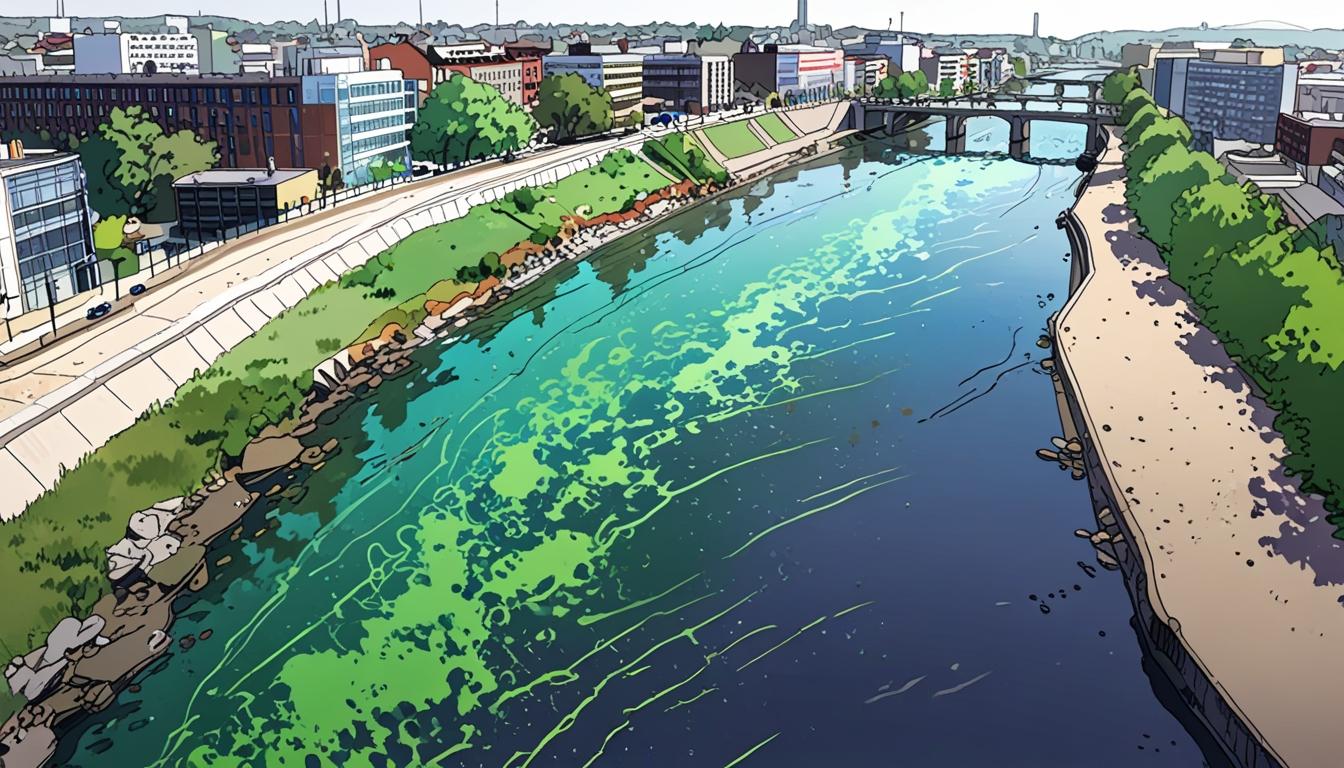
According to recent data reported by the Bristol Post, sewage was discharged into Bristol’s rivers and streams more than 8,000 times in the year 2024, marking a slight increase from the previous year. The figure for the wider Bristol area amounted to 8,075 spills, averaging 22 incidents per day. This reflects a rise from 8,025 spills recorded in 2023, with the spills lasting a cumulative total of over 53,000 hours, up from nearly 50,000 hours the year before.
The sewage network in England and Wales operates by releasing treated sewage as well as overflows of untreated sewage mixed with stormwater into watercourses, especially during heavy rainfall events. These discharge points are monitored throughout the year, with data on the number and duration of spills published annually.
Nationwide, there were a total of 563,730 sewage spills in 2024, averaging 1,544 spills daily; this is a slight decrease from 1,588 spills per day in 2023. The total duration of these spills across England and Wales reached approximately 4.55 million hours last year.
In the Bristol region, the Great Badminton Storm Tank was identified as the most frequently active spill site, with 189 spill events lasting a total of 4,012 hours — the equivalent of around 167 days of continuous discharge. The next most active site was the Doynton Inlet, which spilled 126 times for a total of 2,484 hours. Other notable sites with significant spill durations included the Tockington Moor Lane Storm Tank (2,156 hours), Avonmouth Kingsweston Lane Storm Tank (2,123 hours), and Alveston Lower Hazel Storm Tank (2,045 hours).
An interactive map has been provided by the Bristol Post, enabling residents to check how many sewage spills have occurred in their local areas.
Regionally and nationally, the most active spill site was Salcombe Regis in Devon, where the storm overflow was open continuously throughout 2024, amounting to 8,773 hours of discharge. South West Water, which manages this site, is investigating the causes behind the elevated spill frequency. The company has noted that unauthorised connections to the sewer network — including highway road gullies that carry extensive road runoff into the sewers — are contributing to higher flows that overwhelm the system.
Following Salcombe Regis, the next most active storm overflow was located on the River Lavant, with spills totalling 6,830 hours in 2024, nearly 285 days. Wessex Water’s Hurdcott Storm Tank was the third most active site nationally, spilling for 6,467 hours, which equates to 269 days of continuous discharge. A spokesperson for Wessex Water explained that high groundwater levels, often entering the sewer network through private pipes, are a major factor causing automatic overflow operations at this and other sites to mitigate flooding risks.
This data highlights the frequency and duration of sewage discharges into waterways in the Bristol area and across England and Wales over the course of the past year.
Source: Noah Wire Services