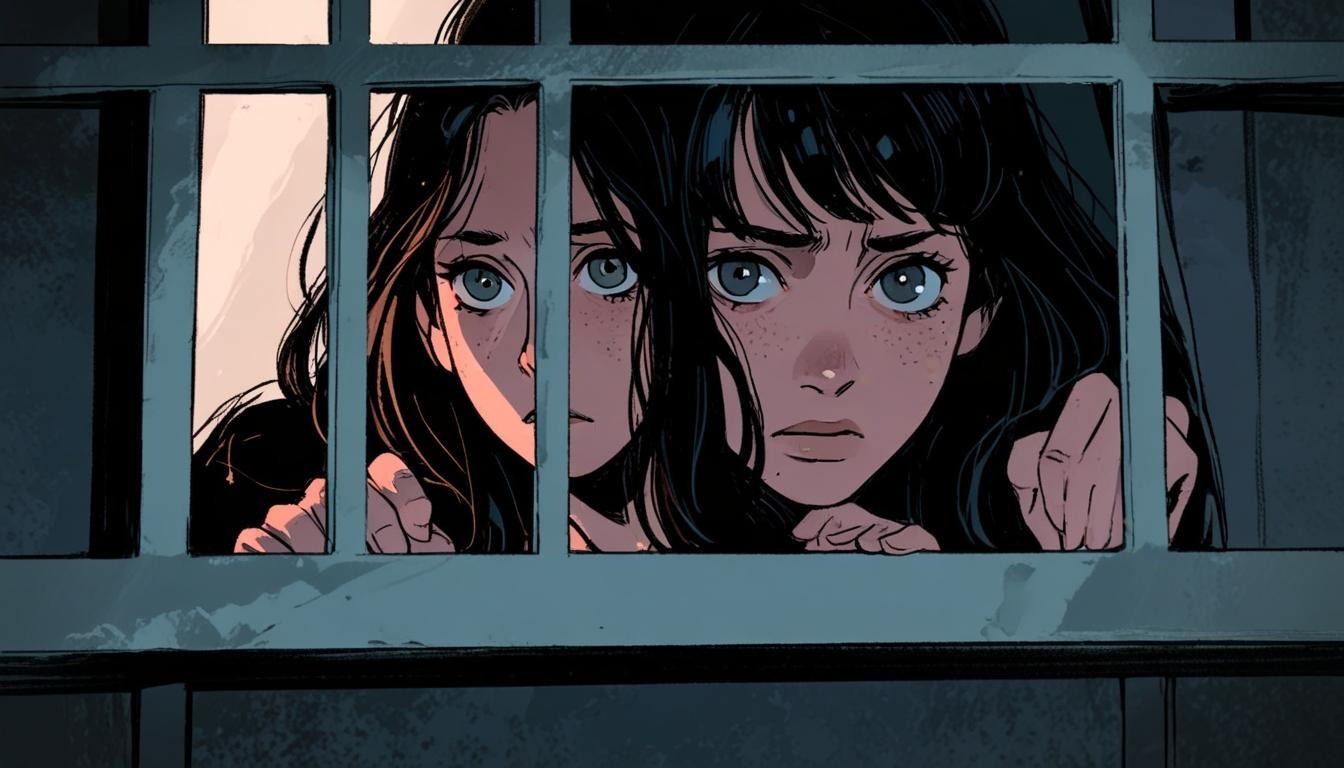
In the latest figures shared by Dyfed Powys Police, almost 1,000 stalking incidents were recorded in the past year across their jurisdiction in Wales, averaging nearly three reports daily. As Stalking Awareness Week 2024 unfolds, the force has also revealed there are currently 186 ongoing stalking investigations and six Stalking Protection Orders in place. Two women, referred to as Lara and Megan to protect their identities, have recounted their harrowing experiences, illustrating the profound and lasting effects stalking can have on victims.
Lara described her ordeal of being stalked for 12 years by a man she met unexpectedly, whose initial friendliness gradually gave way to obsessive behaviour. The man, David, embedded himself in her local community, appearing regularly at shops, workplaces, and events, making his presence inescapable. Despite being unsettled, Lara found it difficult to report the conduct due to his manipulative tactics, which included ingratiating himself with people she knew.
She recounted escalating intimidation as David's actions transitioned to “visible stalking” with repeated surveillance of her home and neighbourhood. Lara said, “My whole life changed. I closed my social media down for a year which totally isolated me from any friends and online contact and connections. I could not leave the house without my phone in my hand recording ready to gather evidence.” She also spoke of the pervasive fear that led her and her child to keep a hammer nearby for protection and described the psychological torment as “all consuming.”
After gathering extensive evidence, including photos and videos, Lara reported the stalking to the police. Though it initially proved difficult to obtain a Stalking Protection Order due to high evidential thresholds, persistent efforts eventually resulted in a successful application. She reflected on the psychological impact, noting, “It was psychological terror, and it pushed me to feeling suicidal... I got used to the fact I could be killed.”
Megan's experience involved a former partner, Dean, who exhibited controlling and stalking behaviours during and after their relationship. Dean engaged in persistent video calls designed to exert control, followed her, and even used an Alexa device to listen in on her communications. Megan described feeling “trapped” during their relationship, which began in 2021 when she was vulnerable following a prior relationship breakdown and adjusting to life as a single mother.
After ending the relationship post-childbirth, Megan continued to face harassment. She said, “He walked past my house several times a day, he was phoning my sibling, and I was getting calls from a private number... When he followed me into the shop, he would stare at me and then leave.” Megan reported such incidents to police but noted the challenge in evidencing stalking when actions appeared isolated. She was granted a non-molestation order against Dean and emphasised the importance of continual reporting to law enforcement, commenting, “Without the history, the perpetrator will just say they haven’t done anything wrong.”
Dyfed Powys Police have highlighted that stalking is often misunderstood, with Detective Inspector Katie Cuthbertson stating, “Anyone can become a victim of stalking... It is still a very misunderstood crime type, and we are using this week to educate our communities about just how serious it can be.” She acknowledged that while many victims are stalked by former partners, perpetrators can also be acquaintances or strangers.
Stalking Protection Orders, as explained by the force, are civil measures aimed at managing suspects and safeguarding victims by imposing restrictions such as no contact or proximity limits. Violation of these orders constitutes a criminal offence. These legal tools can also require offenders to undergo intervention programmes or mental health assessments and surrender electronic devices.
The accounts of Lara and Megan underscore the complex nature of stalking, where behaviours may range from subtle manipulations to overt surveillance and coercion. Both women expressed a desire for greater awareness and support for victims, urging society and authorities to recognise stalking as the serious offence that it is and to encourage continuous reporting to aid intervention.
Dyfed Powys Police continue to engage with their communities during Stalking Awareness Week, providing information on recognising signs of stalking and the support available to victims, reflecting their commitment to addressing and reducing stalking within their area.
Source: Noah Wire Services