The Bishop of Leicester, Martyn Snow, has expressed serious concerns that recent and forthcoming changes to the UK's welfare system could lead to a significant surge in poverty, particularly affecting vulnerable families. Speaking exclusively to the Daily Star, Bishop Snow highlighted that government analysis anticipates up to 250,000 more people may be pushed into poverty as a result of reforms targeting benefits such as Personal Independence Payment (PIP) and Universal Credit (UC).
Chancellor Rachel Reeves is aiming to reduce government expenditure by £5 billion annually by 2030 through these sweeping reforms. However, Bishop Snow warned that some of the poorest families, including new mothers, are already struggling to provide basic necessities such as clothing and furniture for their babies without relying on charity.
Bishop Snow explained, "There's a real risk of that [an explosion of poverty]. We've already got a crisis in terms of housing in Leicester. So, there's been a significant shift in recent years from those who are homeless – the majority of them used to be single people. It's now actually families. What a lot of people don't realise is that these benefit cuts have a direct impact on people which can lead to them even losing their own home."
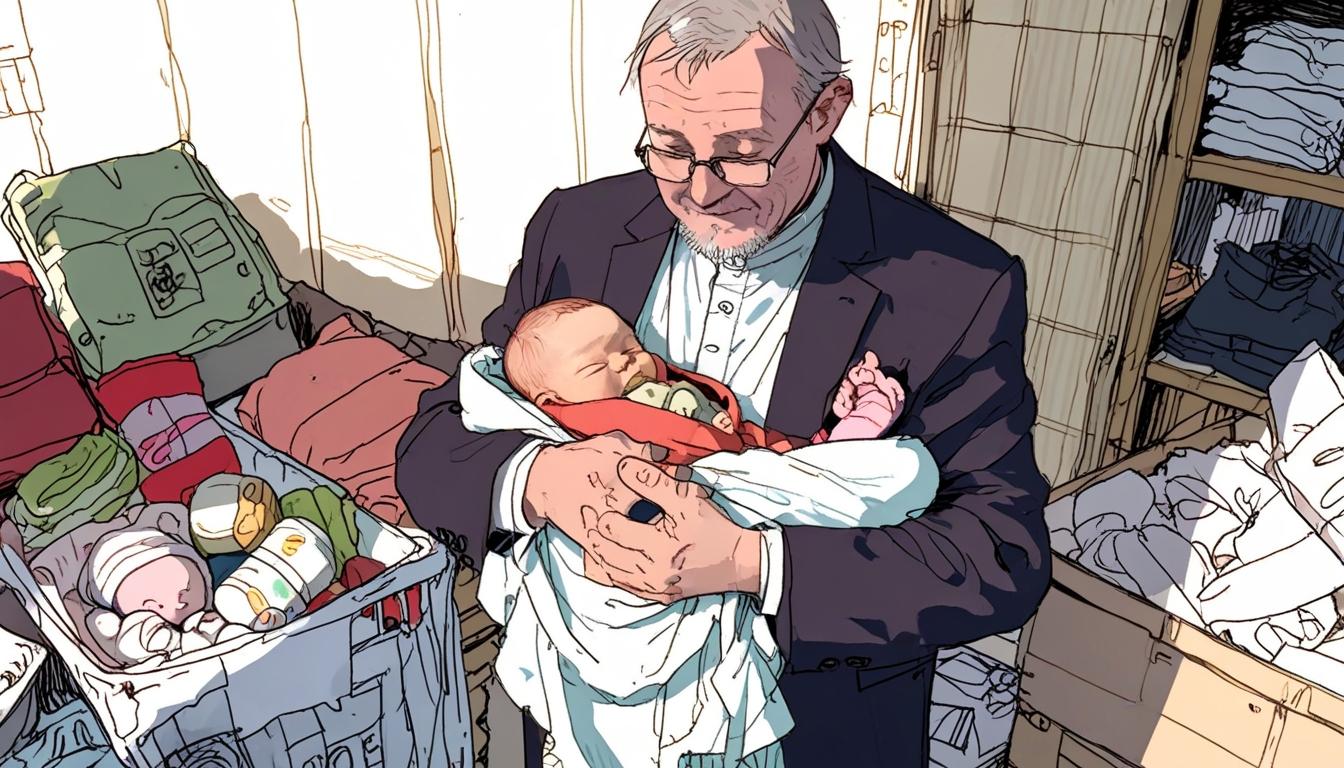
In his ongoing work supporting impoverished communities, Bishop Snow recently visited a national charity’s Leicester branch, which operates a scheme called Baby Basics. This charity recycles essential baby items such as toys, clothes, and cots, helping thousands of families referred by district nurses, GPs, and other local services. The Bishop remarked, "We're talking here about people who, if they weren't getting these sorts of gifts, would not have even the basics to be able to give a newborn baby. We're talking about things like cots and clothes for their baby... These are people living right on the edge in that sense not able to provide for their own babies."
Addressing the government's response, Bishop Snow shared that he has used his position in the House of Lords to question officials about their plans to address the expected rise in poverty. The reply he received focused on investing more in employment programmes, with the government emphasising efforts to help sick and disabled people into work. However, he noted, "there's very little evidence to suggest that the money they're spending to get people into work will directly mitigate the numbers of people being pushed into poverty."
The Bishop has called on Labour leader Keir Starmer to demonstrate "moral leadership" by challenging the current governmental approach. He said, "All we're hearing from the government is about cuts, cuts and they've got to save money. I want to see some moral leadership which says actually what we are about as a government is taking care of the most vulnerable in our society."
In response, a government spokesperson said, “As part of our Plan for Change, we’re creating a sustainable welfare system that delivers proper support to help sick and disabled people into work, breaks down barriers, boosts living standards, and grows the economy. Alongside this, our ministerial Child Poverty Taskforce is developing an ambitious strategy to give every child the best start in life.”
The debate highlights growing concerns over the social impact of welfare reform, especially as families face increasing difficulty in meeting basic living costs and as homelessness patterns shift towards affecting more families rather than primarily single individuals. Bishop Snow’s observations draw attention to the intersection of housing instability, benefit policy, and poverty among Britain’s most vulnerable groups.
Source: Noah Wire Services