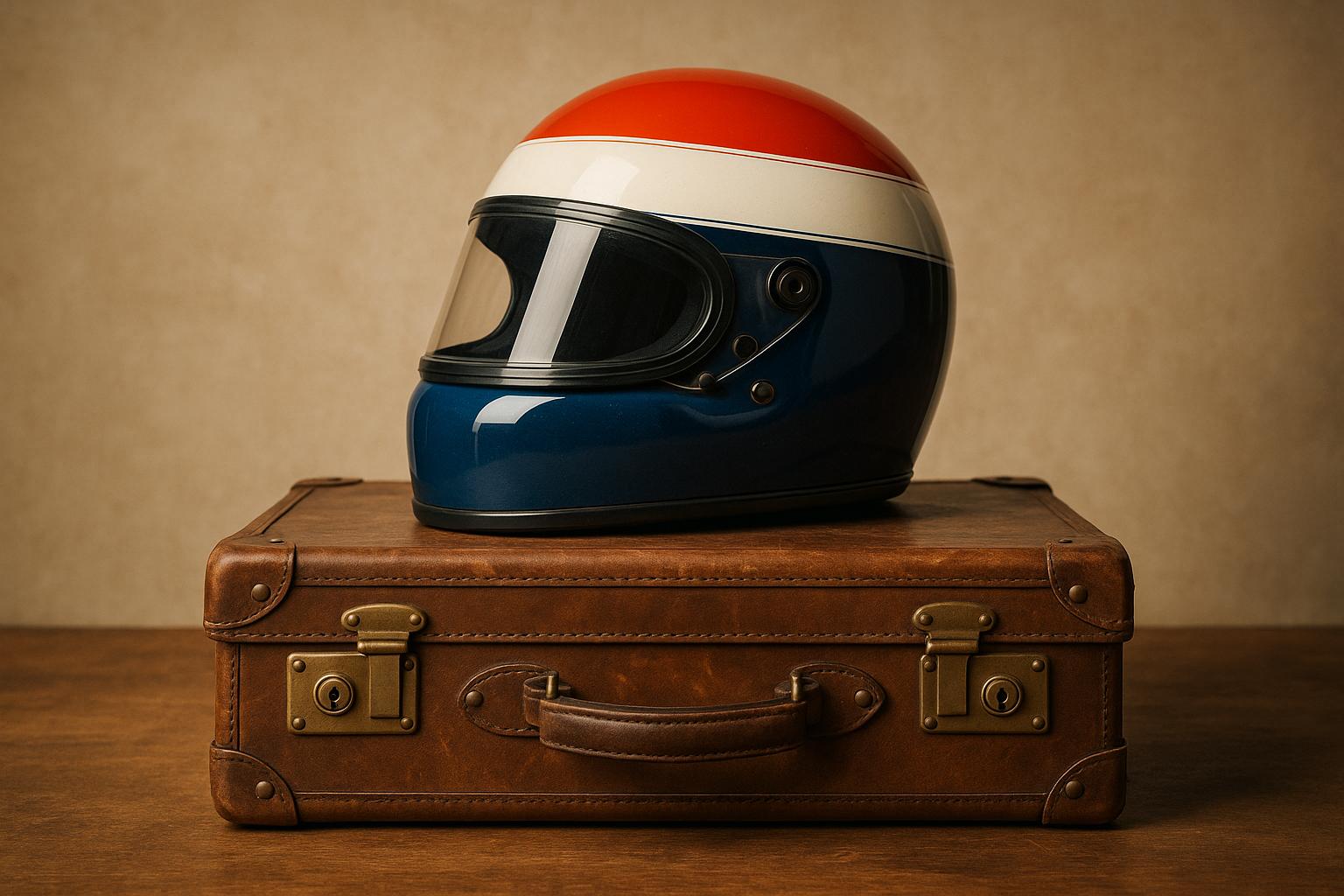
Mattel has taken a bold step to elevate Hot Wheels beyond its traditional childhood toy status by launching a global campaign tied to Formula 1 racing. This marks Hot Wheels' first-ever dedicated F1 line, featuring 1:64 die-cast cars modeled after eight of the sport’s top teams. The initiative, rolled out in major cities worldwide such as Milan, Sydney, and Warsaw, coincides with prominent Grand Prix events in Austin and Mexico City, increasing fan engagement through dynamic out-of-home advertising and trackside activations. Fans can race the die-casts on iconic orange Hot Wheels tracks, explore life-size blister pack displays, and browse premium F1-themed models. According to Ted Wu, Mattel’s global head of vehicles and building sets, the partnership is crafted to unite the overlapping fanbases of Hot Wheels collectors and F1 enthusiasts, with product drops planned to align with the evolving 2025 F1 season and team liveries. This collaboration, originally announced in October 2024, also aims to capture a new generation of fans inspired by media like Netflix's "Drive to Survive," blending nostalgia with contemporary thrill.
Edinburgh, conversely, is reinventing its off-season image with the 'Stay Different' campaign, particularly spotlighting winter as a unique travel opportunity rather than a lull in tourism. Launched by Forever Edinburgh in September 2025 as part of a broader initiative funded by the UK Government’s Shared Prosperity Fund, the campaign stresses that the city’s colder months offer distinctive cultural, culinary, and outdoor experiences. Visitors are encouraged to embrace misty walks through its Gothic and Georgian streets, Burns Night celebrations, wildlife excursions, and the atmospheric beauty of landmarks illuminated by winter light. Councillor Jane Meagher of the City of Edinburgh Council emphasises that the city transforms into “a completely different city, one of striking contrasts, rich atmosphere and authentic local life” during this period. The winter campaign supports the city’s 2030 tourism strategy by promoting sustainable, year-round visitation through monthly themes, local partnerships, and varied event programming that mix culture and adventure.
Meanwhile, Laphroaig whisky has capitalised on star power and personal storytelling to deepen its brand identity. Actor Willem Dafoe stars in the brand’s latest chapter of the “Unphorgettable” platform, in a film directed by Tim Pope, renowned for his work with David Bowie and The Cure. Dafoe shares a resonant connection to Scotland — his grandmother hailed from Glasgow — recalling a profound familiarity upon his first visit. The campaign explores how this sense of recognition parallels the distinctive and often divisive flavours of Laphroaig whisky, which leaves a lasting impression rather than trying to please everyone. Scheduled for global exposure across multiple channels, from print to in-store promotions, the campaign solidifies Laphroaig’s reputation as a brand for those seeking authenticity and intensity rather than broad appeal.
In a playful nod to nostalgic culture, Tim Hortons celebrated National Coffee Day with a "Retro Cups" out-of-home campaign that brought back vintage cup designs paired with iconic fashion styles from their respective eras. This clever pairing with trends like 70s bell bottoms, 90s fanny packs, and mullets underscores the brand’s deep roots in Canadian life over six decades. Developed by Gut Toronto, the campaign highlights the emotional connection and collective memory embedded in everyday objects, positioning the brand as a steadfast cultural icon amid a market often driven by fleeting trends.
In the realm of sustainability and fashion, Coat Paints made waves at London Fashion Week with a guerrilla stunt that transformed recyclable paint tins into handbags. This unconventional approach not only attracted attention from the fashion crowd but also spotlighted the brand’s commitment to zero-waste and circular design. Styled with pre-loved clothing from Positive Retail, the models and paint tins sent a clear message that sustainability and creativity can coexist in high-profile fashion contexts without a conventional runway presence.
Tech giant Google’s Pixel campaign, “Vanilla,” serves as a pointed critique of smartphone homogeneity. By replacing phone images with rows of identical vanilla ice cream cones, the ad underscores the bland uniformity of many current models, positioning Pixel as a refreshing alternative. Tying into its “Ask More of Your Phone” platform, Google highlights AI features aimed at making the switch to Pixel less intimidating for consumers. The campaign is rolling out digitally and socially worldwide, banking on its clever visual gag to resonate quickly with an audience fatigued by design sameness.
Lastly, The Guardian has debuted its first US brand campaign, “The Whole Picture,” in New York City. Created with Lucky Generals, the campaign visually confronts issues like climate change, politics, and culture, symbolised through wind turbines and striking images such as Donald Trump amid severe weather. Katharine Viner, The Guardian’s editor-in-chief, emphasises the need to position the publication as a global, independent, and free news source in an American media landscape fraught with financial and editorial strain. The campaign, including billboards, subway ads, and audio spots on prominent podcasts, seeks to connect dots often overlooked in today’s fragmented news climate.
These diverse campaigns collectively illustrate how brands are blending creativity, nostalgia, authenticity, and social themes to deepen engagement and redefine their market presence in 2025.
📌 Reference Map:
- Paragraph 1 – [1], [2], [5], [6]
- Paragraph 2 – [1], [3], [4], [7]
- Paragraph 3 – [1]
- Paragraph 4 – [1]
- Paragraph 5 – [1]
- Paragraph 6 – [1]
- Paragraph 7 – [1]
- Paragraph 8 – [1]
Source: Noah Wire Services