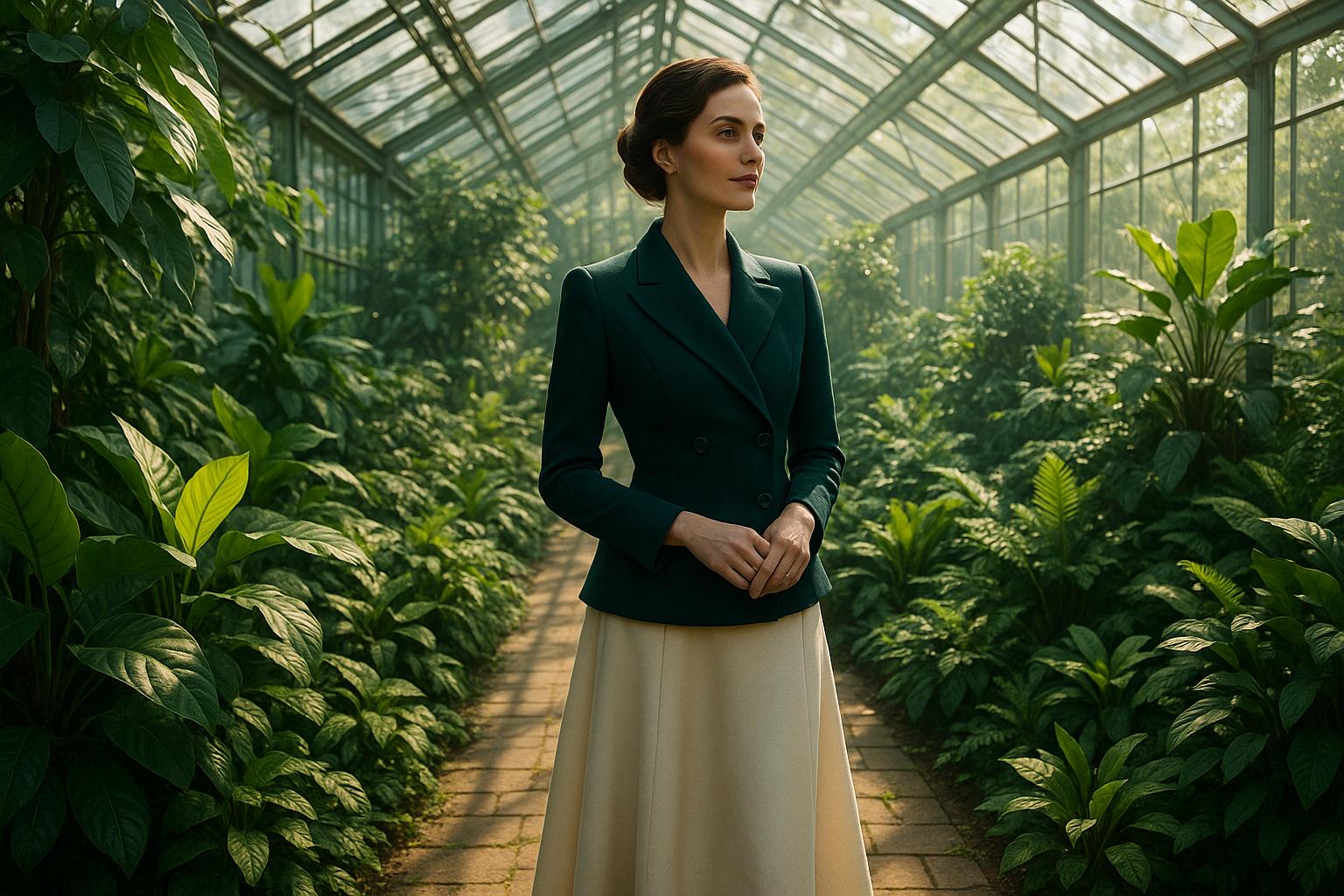
The definition of luxury is undergoing a profound transformation. Traditionally linked to exclusivity and scarcity, luxury today is increasingly defined by meaning, experience, and emotional connection. Particularly among Generation Z and young millennials, there is a rising demand for products that convey a story, purpose, and values that resonate deeply with them. This shift is prompting luxury brands to rethink engagement strategies, moving beyond conventional retail and digital marketing efforts to immersive experiences that integrate art, technology, and sustainability.
Nandini Sharma exemplifies this evolving luxury paradigm through her multifaceted work at the intersection of fashion, sustainability, and experiential marketing. Currently part of the Press & VIP team at Paul Smith LLC in New York, Sharma focuses on celebrity relations, VIP initiatives, and creative collaborations that go beyond traditional promotion to highlight innovation and future-oriented design leadership. Her expertise in coordinating partnerships and creative productions enables her to bring artistic visions seamlessly to life in ways that extend across runway shows, retail environments, and brand activations.
Before entering luxury communications, Sharma applied her commitment to sustainability practically at Shaleen Enterprises, where she contributed to developing eco-friendly paper-based disposable utensils by integrating innovation with traditional manufacturing processes. This grounding reinforced her belief that the future of design depends on sustainability that is both scalable and emotionally engaging. These principles materialized prominently in her acclaimed project, Khaqh by Nandini Sharma, which fuses sustainability, circularity, and youth culture.
Khaqh began as a summer initiative encouraging Gen Z consumers to rethink consumption by donating discarded fabrics—from post-consumer textiles to factory offcuts—to be transformed into limited-edition collections. The project not only created sought-after fashion that sold out online but also supported artisan employment during the pandemic. Sharma’s meticulous process, which included sorting fibers, cleaning, and collaborating with local artisans and recycling facilities, demonstrated that upcycled fashion can be aspirational as well as ethical. As Sharma reflected, the aim was “to make people want sustainable clothing, to make it part of culture,” not simply to produce sustainable garments.
Today, Sharma applies this philosophy to a wider luxury retail context through consulting on brand activations, pop-ups, and immersive storytelling. She views these experiences not as mere marketing tactics but as essential infrastructure for modern luxury. “Pop-ups and activations give brands a way to tell stories in three dimensions,” she explained, emphasizing the shift from consumers as passive buyers to active participants. By blending sustainable materials, augmented reality, and localized storytelling, Sharma helps craft experiences that build emotional bonds with a global luxury audience while remaining authentic and environmentally conscious.
This integration of technology, fashion, and sustainability is central to the future trajectory of luxury. With the rise of AI-driven personalization, Sharma sees technology as a tool to make sustainability more intimate and impactful—whether through adaptive smart pop-ups or virtual try-ons that reduce waste. Her approach embodies a hybrid leadership model combining technologist, designer, and strategist to navigate a landscape where experiential retail and sustainability are no longer optional but imperative. This converges with broader industry analyses that highlight the increasing importance of sustainability and disruptive technologies like AI in luxury marketing and brand management.
Yet achieving genuine sustainability in luxury is not without challenges. Industry discourse around “greenwashing” warns of brands that make superficial environmental claims without substantial action. Authenticity, transparency, and ethical recognition of artisans are crucial for credibility, as demonstrated by brands that successfully integrate sustainability into their core practices rather than merely as marketing embellishments. Moreover, emerging trends such as the adoption of vegan materials—like Piñatex and Mylo—offer luxury brands further avenues to align with ethical consumer demand while navigating complexities around material durability and environmental trade-offs.
Brands that thrive in this evolving landscape will be those that embed environmental awareness within immersive, sensory-rich experiences celebrating craftsmanship and inclusivity. Sharma’s work represents this new wave of luxury leadership—where value is found not in rarity alone, but in meaningful, conscious experiences that reflect identity and purpose. Her projects continue to inspire designers and marketers alike to view fashion as both an art form and an act of responsibility.
As Sharma aptly sums up, “Luxury is no longer about owning something rare. It’s about experiencing something real—something that reflects who we are and what we stand for.” In an era defined by ecological urgency and consumer sophistication, this vision is reshaping the luxury buying landscape into one that is immersive, sustainable, and profoundly connected.
📌 Reference Map:
- Paragraph 1 – [1], [2]
- Paragraph 2 – [1]
- Paragraph 3 – [1]
- Paragraph 4 – [1]
- Paragraph 5 – [1]
- Paragraph 6 – [1], [2]
- Paragraph 7 – [1], [4], [3]
- Paragraph 8 – [1]
Source: Noah Wire Services