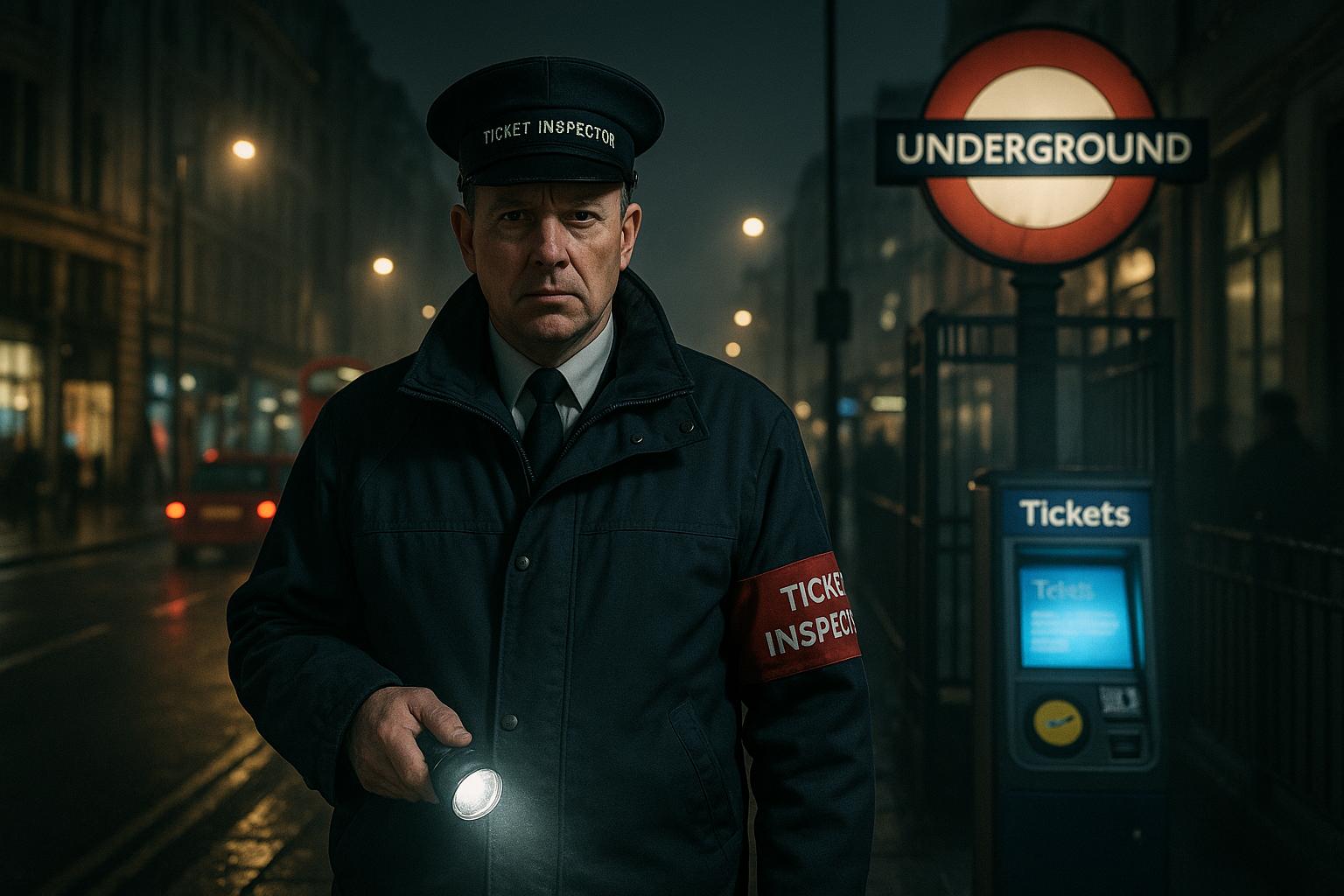
London is grappling with a persistent and costly problem of fare evasion on its public transport network, with nearly one in 20 Tube passengers dodging fares, leading to an estimated annual loss of £130 million for Transport for London (TfL). This significant issue has prompted calls from London Conservatives for the installation of taller ticket barriers and the creation of dedicated fare evasion teams to reduce losses and improve compliance.
TfL has been actively investing in measures to tackle fare evasion, having spent £14.2 million on enforcement efforts across the Tube network and an additional £7.7 million on the bus network during 2023-2024. These efforts have included deploying 500 enforcement officers to identify and penalise fare dodgers, leading to the collection of £1.3 million in penalty charges. The transport provider claims that its data-driven strategy is already yielding results, with fare evasion rates reportedly dropping from 3.8% to 3.5%.
However, Conservative transport spokesperson Thomas Turrell from City Hall voiced scepticism about TfL's ambitious target of reducing fare evasion to 1.5% by 2030, calling it unrealistic. He criticised the continued fare dodging he said every Londoner witnesses and highlighted the consequent fare increases that law-abiding passengers bear. Meanwhile, Elly Baker, chair of the London Assembly transport committee, noted that although there was a cross-party report focusing on safety and staffing improvements, the Conservative party did not support the suggested measures.
The political spotlight on fare evasion has intensified, with Shadow Justice Secretary Robert Jenrick publicly confronting fare dodgers on the London Underground. In May, he questioned passengers who bypassed barriers without tickets, an encounter that led to verbal abuse, including a threatening warning from a man claiming to carry a knife. This incident underscores the challenges TfL and enforcement officers face when tackling fare evasion, which often intersects with issues of safety and crime.
Indeed, operations by British Transport Police have revealed that fare evasion is frequently linked with more serious criminal behaviours. Officers have uncovered weapons and drugs during stops targeting fare dodgers, highlighting a broader security concern beyond mere ticket violations. Enforcement officers often encounter resistance and aggression, complicating their efforts to maintain order and fare compliance.
The threats extend to TfL staff who report significant levels of verbal and physical abuse linked to their duties. Nearly 10,500 incidents of workplace violence and aggression were recorded in 2023-2024, with about half connected to confrontations over fare evasion. Staff have endured assaults ranging from punches and spits to racially charged abuse, raising concerns about the safety and wellbeing of frontline workers.
Violence linked to fare evasion is not limited to the Tube; conflicts on buses have also escalated into serious incidents. A notable case in Hackney involved a violent altercation where eight police officers were injured while attempting to apprehend a 15-year-old who had not paid her bus fare. The confrontation resulted in multiple arrests and highlighted the risks enforcement personnel face across London's transport network.
In response to these complex challenges, TfL states it is ramping up its efforts by expanding its team of professional investigators, focusing enforcement on high-incidence locations, and employing advanced technology to target persistent fare evaders. Despite the significant financial and operational commitment, the issue remains a contentious political topic, with varied views on the effectiveness and adequacy of current strategies.
As fare evasion continues to impose a financial burden on the transport system and threatens safety and staff welfare, the debate over solutions , including infrastructure upgrades like taller barriers and enhanced enforcement teams , remains a key focus for London's policymakers and transport authorities.
📌 Reference Map:
- [1] (The Independent) - Paragraphs 1, 2, 3, 6, 8, 10
- [2] (The Independent) - Paragraphs 1, 4
- [3] (The Independent) - Paragraphs 1, 2
- [4] (The Independent) - Paragraphs 5, 7
- [5] (The Independent) - Paragraph 9
- [6] (The Independent) - Paragraph 9
Source: Noah Wire Services