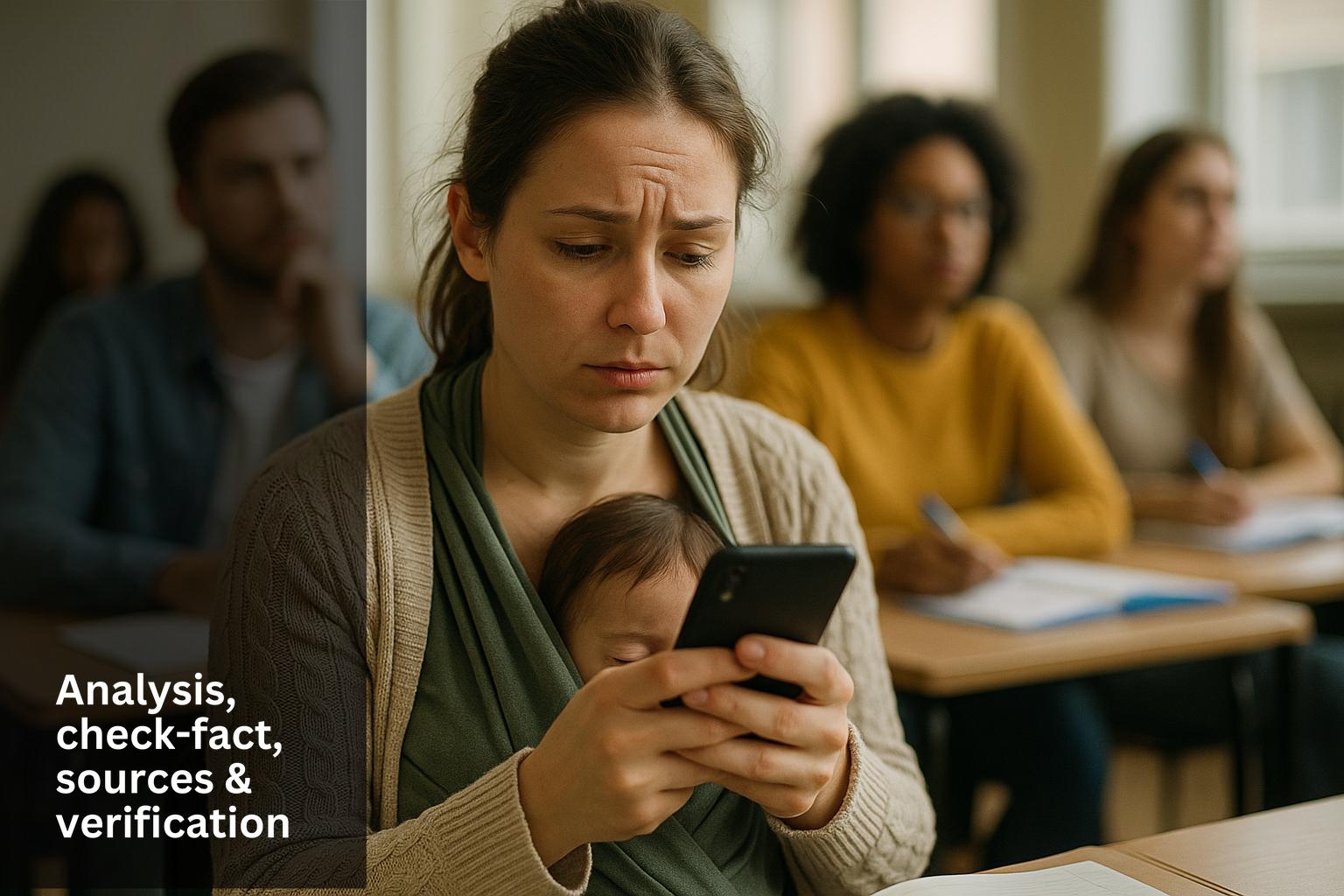
Shoppers are turning to practical answers as schools, parents and politicians spar over whether to ban mobile phones in classrooms. Private school leaders say Labour should resist an outright ban, arguing policies must suit local communities, while ministers press for tighter controls to protect pupil wellbeing and behaviour.
- Local nuance matters: Private heads argue blanket bans ignore differences between urban and rural schools and family needs.
- Safety vs distraction: Phones help parents track journeys but can disrupt lessons and social interactions.
- Existing rules: Current guidance asks schools to bar phone use during the school day, but it is not statutory and some want the law tightened.
- Practical systems: Successful private schools use phone pouches or deposits to keep devices out of sight, with clear routines that feel calm and fair.
- Safety teaching: Schools pairing restrictions with digital-safety lessons help pupils manage online risk and algorithmic exposure.
Why private heads say a one-size-fits-all ban would be too blunt
Donna Stevens, chief executive of the Girls’ Schools Association, told delegates that an outright ban “lacks nuance” and could harm some pupils’ safety. Imagine a Year 11 girl navigating late Tube journeys , parents want to be able to check she’s arrived. That human detail is why some heads think policy should be community specific rather than imposed from Whitehall.
This isn’t just about convenience. Heads argue different schools face different risks and transport patterns, so a blanket rule could make life harder where independent judgement would be better. Many leaders stress compromise: strict in-school rules combined with off-site permissions when necessary.
How schools are managing phones day to day , practical approaches that work
At Channing School in North London, pupils hand phones into labelled pouches first thing and they stay put until home. The system is refreshingly simple: out of sight, out of mind, and it reportedly keeps breaktimes quieter and lessons more focused. There’s a sturdy, reassuring feel to routines like this , students know what to expect and parents know pupils are safe.
Other schools try time-limited access, supervised use in clubs, or separate permissions for older teens. These middle-ground solutions show you don’t need an all-or-nothing law to reduce distraction while keeping lines of contact open.
What ministers want and why some campaigners want a legal ban
The Government has launched a crackdown narrative on mobile phones in schools and MPs have pressed for stronger measures to protect pupil wellbeing. Conservatives and some parent groups want statutory bans to remove ambiguity and stop phones from undermining learning.
But campaigners for a ban point to research linking heavy phone use to anxiety, sleep issues and classroom disruption. That’s persuading many advocates that the current non-statutory guidance isn’t enough, and they’re now taking legal action to force the issue.
How to pick a sensible school policy if you’re a parent or governor
If you’re a parent or on a governing board, look for policies that balance safety, learning and digital literacy. Practical checks: does the school have a clear drop-off system (pouches, lockers), consistent enforcement, and sensible exceptions for commuting children? Does it teach pupils to be safe online and explain how algorithms shape what they see?
Talk to other parents about real-life journeys and concerns; policies that feel respectful of family needs tend to land better with the community. And if your child has a specific reason to carry a phone, make that case early with evidence and proposed safeguards.
What the future might look like and why nuance will still matter
If the Government moves towards statutory rules, private schools may escape some mandates, but public debate will shape how strict or flexible laws become. Expect hybrid models , legal limits on in-class use, plus room for schools to adopt local exceptions.
The sensible path seems to be stricter in-school control combined with education about online risks, rather than a blanket ban. That keeps classrooms calmer while teaching kids how to behave online once the phone is back in their hands.
Ready to make school-day phone rules work for your family? Check your school’s policy, talk to other parents, and consider practical solutions like pouches or scheduled access to keep both safety and learning on track.