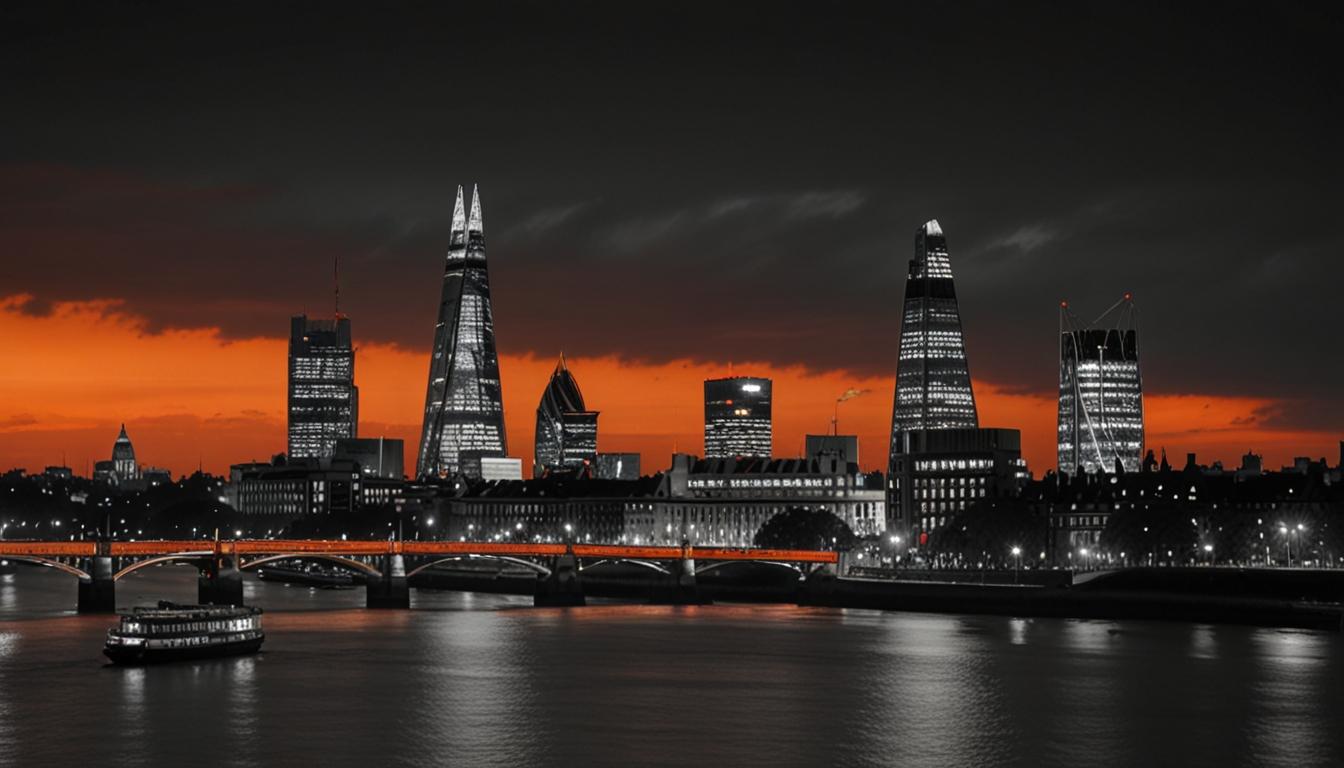
London to Experience Temperatures Higher Than the Algarve
Next week, London is forecasted to experience temperatures up to 27°C, surpassing those in Faro, Portugal, and Barcelona, Spain. The Met Office attributes this rise to a strengthened jet stream, resulting in warmer, sunnier weather after a particularly wet spring.
To qualify as a heatwave in the UK, there must be at least three consecutive days with temperatures reaching or exceeding predetermined thresholds, which for London is 28°C. Heatwaves are typically caused by high-pressure systems that create a dome of heat, trapping warm air and suppressing cloud formation and precipitation.
The Met Office predicts that the latter part of June will see temperatures around or above average, feeling particularly warm for those in the sun. Notably, the UK experienced its wettest spring since 1986 this year.
Employers are reminded of their duty to ensure employees' health and safety during hot weather, though there is no legal maximum working temperature in the UK. Measures such as adequate ventilation, air conditioning, and cooling breaks are recommended to mitigate indoor heat. For outdoor workers, provisions for shade, sun protection, and hydration are essential to maintain health and well-being.
Glasgow Named UK's Rainiest City Over Past 12 Years
Research analyzing data from World Weather Online revealed that Glasgow has had more rainfall than any other UK city over the past 12 years. Glasgow, Scotland's largest city, experienced an average of 33 rainy days each summer within this period. This aligns with Met Office data, which reports an average of 80.78mm of rainfall in June, 91.94mm in July, and 107.06mm in August.
While last summer saw 40 days of rain between June and August in the UK, predictions for this summer suggest up to 50 rainy days. Despite its frequent rain, Glasgow remains a popular tourist destination, being the second most visited city in Scotland for overseas tourists and the sixth in the UK.
In contrast, Eastbourne in England has been identified as one of the sunniest spots in the country, based on data from the last decade.
For July 2023, the Met Office recorded unusually high temperatures in parts of western Scotland, with Threave in Dumfries and Galloway reaching 30.7°C on June 12, marking the highest temperature in Scotland for that year. However, the summer also saw significant rainfall due to Atlantic storms impacting the region.