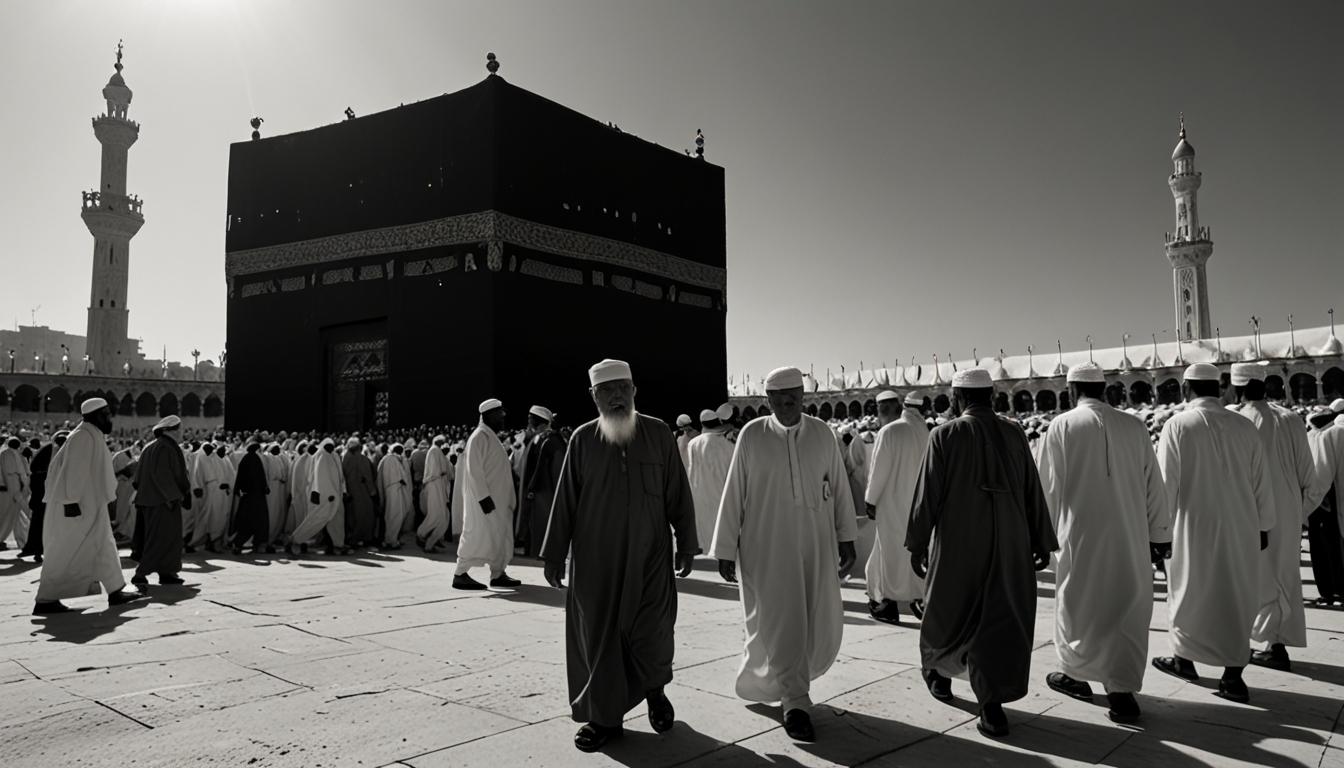
Mass Fatalities Reported During 2024 Hajj Pilgrimage Amid Extreme Heatwave
Over 1,300 people died during the annual Hajj pilgrimage in Mecca, Saudi Arabia, in 2024 amid soaring temperatures that reached up to 51°C (125°F). Over 1.8 million pilgrims participated in the religious journey, which started on June 14 and concluded on June 18. The high death toll was primarily attributed to heat stress, with 83% of the fatalities comprising unauthorized pilgrims without official permits, as asserted by Saudi health minister Fahd bin Abdurrahman Al-Jalajel.
One of the deceased was 86-year-old Indonesian pilgrim Ngatijo Wongso Sentono, who passed away on June 17 in Mina, southeast of Mecca. Sentono had traveled with his wife and neighbors from Yogyakarta. Indonesia reported the highest number of fatalities among its pilgrims, with at least 215 deaths out of 241,000 participants.
Most of the deceased were elderly, with Indonesian officials indicating the majority were over 50 years old. The intense heatwave posed severe risks, prompting numerous accounts of pilgrims collapsing and succumbing to the high temperatures. Unauthorized pilgrims often lacked adequate shelter, food, and water, exacerbating the dire conditions.
Saudi Arabia issues a limited number of permits for pilgrims annually, and non-permitted visitors travel through unlicensed operators, traveling without the comfort of air-conditioned transport or proper infrastructure. Earlier incidents, like the 2015 stampede that resulted in over 2,400 deaths, underscore the ongoing challenges of managing such a large-scale event in harsh climates.
Experts have warned that increasing temperatures could lead to more fatal incidents during future pilgrimages. Climatologist Maximiliano Herrera highlighted the accelerated warming of the region, making outdoor activities in Mecca increasingly perilous.