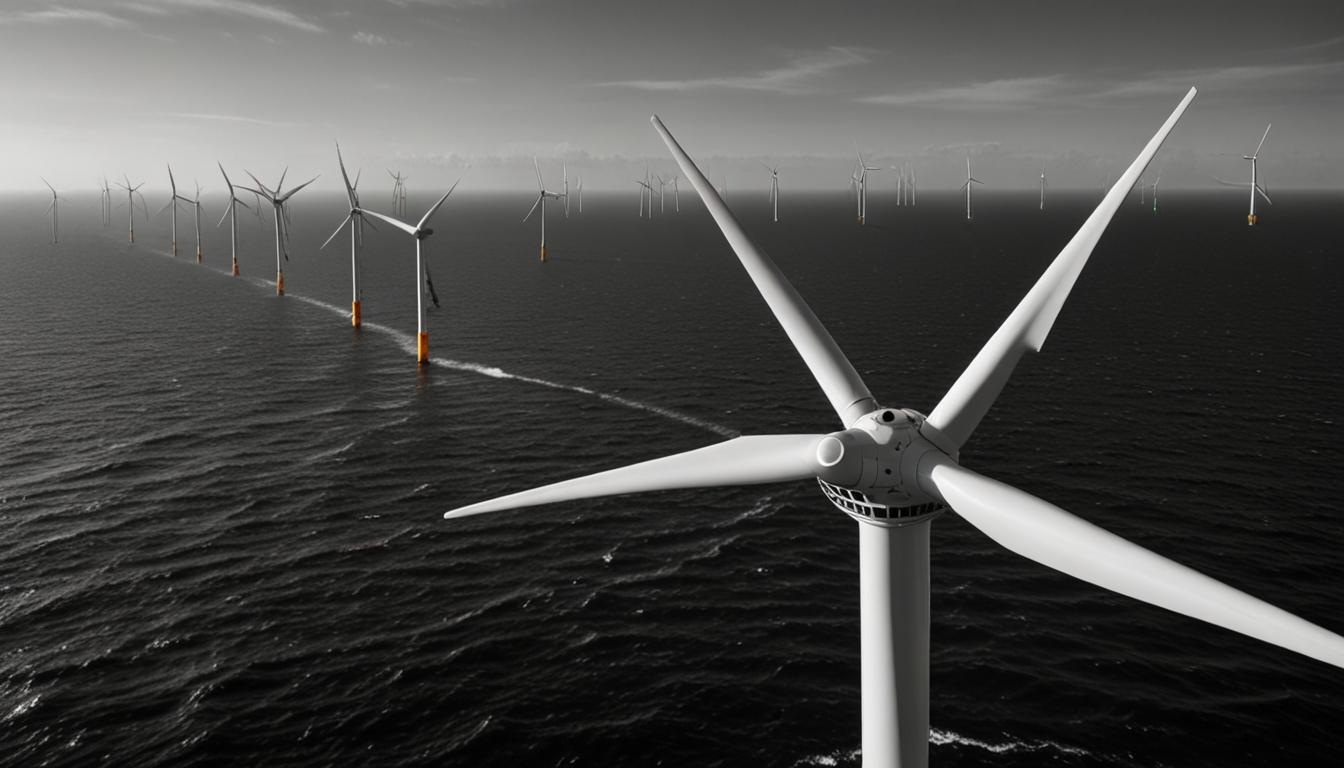
Overlapping Offshore Projects Raise Operational Challenges
In the Southern North Sea (SNS) and Eastern Irish Sea (EIS), there are currently 31 offshore wind projects that intersect with either carbon storage or oil and gas (O&G) licences. These overlaps have significant implications for project timelines and operations. The SNS hosts 11 operational offshore wind projects, with three in the engineering, procurement, construction, and installation (EPCI) phase and eight under planning. In the EIS, six projects are operational and three are in the planning stage.
Key projects facing potential overlap issues include the Dogger Bank South wind farm, which is planned in the Greater Pegasus area operated by INEOS, and the Outer Dowsing project, which intersects with the Perenco-operated Olympus discovery. The Norfolk Boreas wind farm also overlaps Orcadian-operated blocks.
These overlaps could lead to disputes, similar to the two-year conflict between BP's Northern Endurance carbon capture project and Ørsted’s Hornsea Project Four wind farm. Despite an Interface Agreement, a five-month delay occurred due to unresolved issues.
While co-location challenges exist, these overlaps also present opportunities for innovation and collaboration. Shared infrastructure use and joint data collection could streamline operations and reduce emissions. For example, wind farms could provide power to O&G platforms, benefiting both sectors.
Effective marine planning and stricter regulations are crucial to mitigating conflicts and ensuring efficient project development in overlapping marine spaces.
Innovative Vessel Design for Floating Offshore Wind Projects
JBA Consulting has announced the deployment of its ForeCoast® Marine software in a floating offshore wind project spearheaded by Morek Engineering, with funding from the UK Government's Clean Maritime Demonstration Competition. This initiative aims to design low-carbon vessels for floating offshore wind installations.
The project seeks to create advanced offshore service fleets capable of operating in deeper waters and stronger winds, essential for achieving global net-zero targets. ForeCoast® Marine will play a pivotal role in optimizing vessel designs under various environmental conditions, focusing on metrics like carbon emissions, operational costs, and logistical efficiency.
Nick Law from JBA Consulting and Bob Colclough from Morek Engineering have both emphasized the importance of this collaboration in enhancing efficiency and reducing emissions. Approval for the vessel design is anticipated by early 2025, signaling a significant step forward for the floating offshore wind sector.