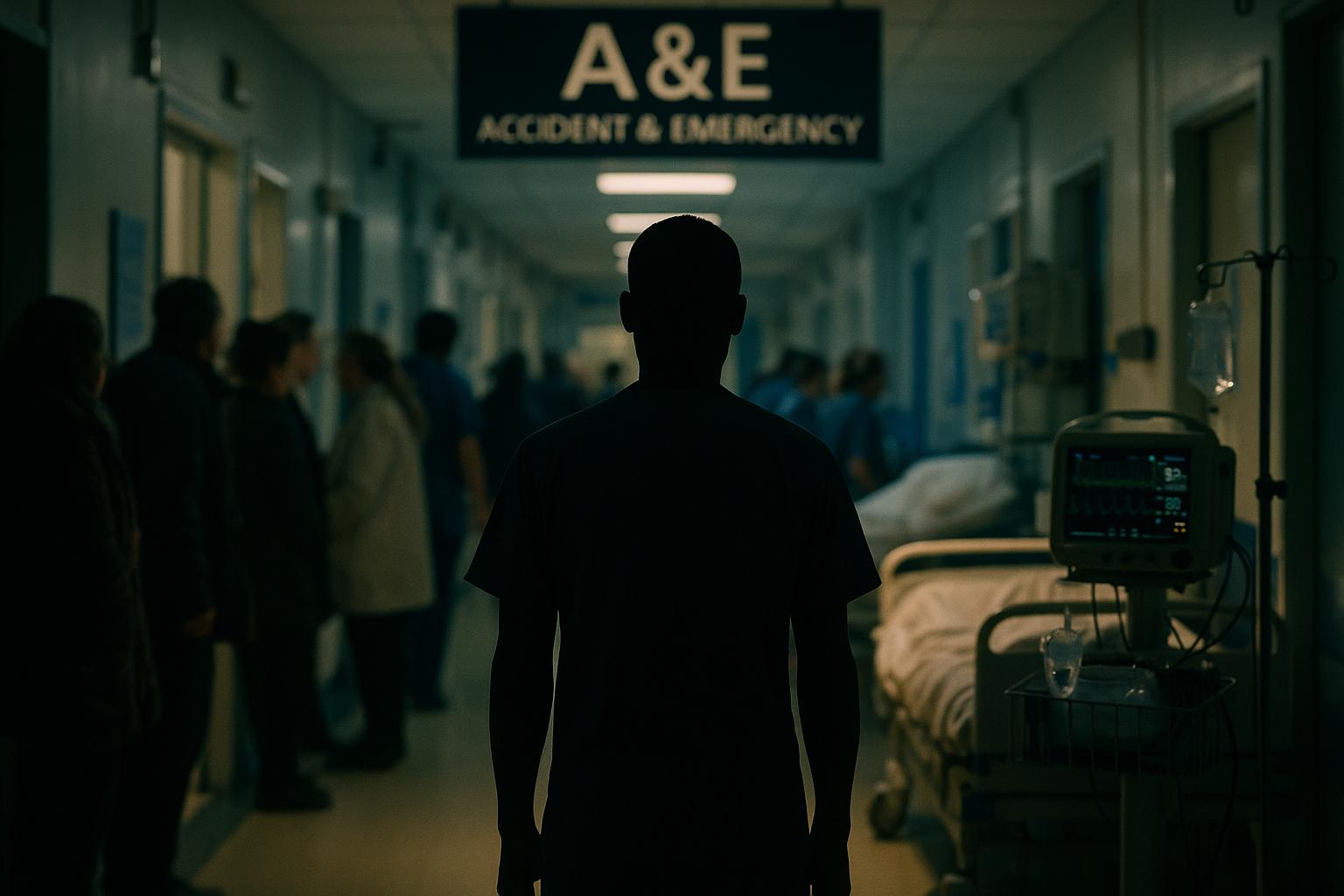
London’s NHS hospitals continue to exhibit marked disparities in emergency care performance, underscoring ongoing systemic challenges despite isolated pockets of excellence. The most recent NHS data reveals that Kingston Hospital in southwest London had the lowest proportion of patients admitted, transferred, or discharged within the four-hour target in A&E, with only 29% meeting the benchmark in October. This figure is considerably below the national average of 74.1%, highlighting persistent pressures on emergency services in certain areas.
Conversely, Moorfields Eye Hospital in the City Road area of London stands out positively, topping the league for the fastest emergency care in England. At Moorfields, 96.7% of A&E patients were seen within the four-hour target, reflecting a high standard of emergency responsiveness for a specialist eye hospital. This achievement aligns with Moorfields' recent recognition as the highest-rated trust among acute and specialist trusts in the NHS Oversight Framework for the first quarter of 2025/26, according to the hospital’s interim chief executive Peter Ridley. The trust’s strong performance is further backed by its top ranking in patient satisfaction surveys, including the 2024 Care Quality Commission's Urgent and Emergency Care Survey, where it was rated the best A&E nationally by patients. Moorfields maintains excellent governance and financial health, rating green for governance and low for financial risk in recent regulatory assessments.
In contrast, Kingston Hospital’s emergency performance reflects ongoing difficulties. Though the trust has made strides in financial management and certain operational areas, as acknowledged by NHS regulators back in 2015, its A&E waiting times remain the lowest in England. Despite a respectable overall NHS league table placing in September 2025, the trust finds itself in Segment 3 of the NHS performance framework, indicating the need for continued improvement. The wide disparity between Kingston’s emergency performance and that of Moorfields highlights the uneven recovery and operational pressures faced by NHS trusts in London.
Beyond A&E, broader NHS performance indicators show a mixed picture. The overall waiting list for routine treatment in England has slightly decreased across September 2025 after multiple months of rising backlogs, yet it remains elevated by historical standards, with 7.39 million treatments pending. Long waits persist, with over 180,000 patients having waited more than a year for treatment, although this figure is down from previous years. Targets have been set by the government to reduce these prolonged waits significantly by March 2026.
Emergency department challenges extend beyond patient processing times; “corridor care”, where admitted patients wait in A&E corridors due to lack of beds, increased to over 54,000 waits exceeding 12 hours from decision to admit in October, up from roughly 45,000 in September. Overall, 74.1% of patients were seen within four hours in A&E across England last month, slipping from 75.1% in September and still short of the 78% target set for March 2026.
Cancer referrals also continue to face delays. Only 73.9% of patients urgently referred for suspected cancer were diagnosed or had cancer ruled out within 28 days in September, slightly below the 75% target. Notably, there is a stark difference between those ruled out of cancer, 75.3% received timely results, and those confirmed with cancer, where only 52.2% met the 28-day threshold. Furthermore, just 67.9% of patients began first definitive cancer treatment within 62 days of referral, falling short of the 75% target.
Ambulance response times remain a concern as well. For the most critical incidents, life-threatening illnesses or injuries, the average response time was just over eight minutes in October, exceeding the seven-minute target. For emergency calls involving serious conditions such as heart attacks or strokes, response times averaged over 32 minutes, up from 30 minutes in September.
Diagnostic waiting times have also improved slightly after peaking, with 22.5% of patients waiting longer than six weeks for key tests in September, down from 24.0% a month earlier but still higher than the previous year’s figures.
These statistics paint a complex picture: some London hospitals like Moorfields are excelling with rapid, patient-centred emergency care and operational stability, while others such as Kingston continue to struggle with delays and pressures that impact patient experience and outcomes. The NHS’s comprehensive targets for emergency care, cancer diagnosis, and treatment waiting times set for March 2026 underscore the scale of improvement needed to achieve more consistent standards across the capital and the country.
📌 Reference Map:
- [1] (My London News) - Paragraphs 1, 3, 4, 5, 6, 7, 8, 9
- [2] (Moorfields NHS) - Paragraphs 2, 3
- [3] (Gov.uk) - Paragraph 3
- [4] (Chessington DRA) - Paragraph 3
- [5] (Friends of Moorfields) - Paragraph 2
- [6] (Moorfields NHS) - Paragraph 2
- [7] (Evening Standard) - Paragraph 1
Source: Noah Wire Services