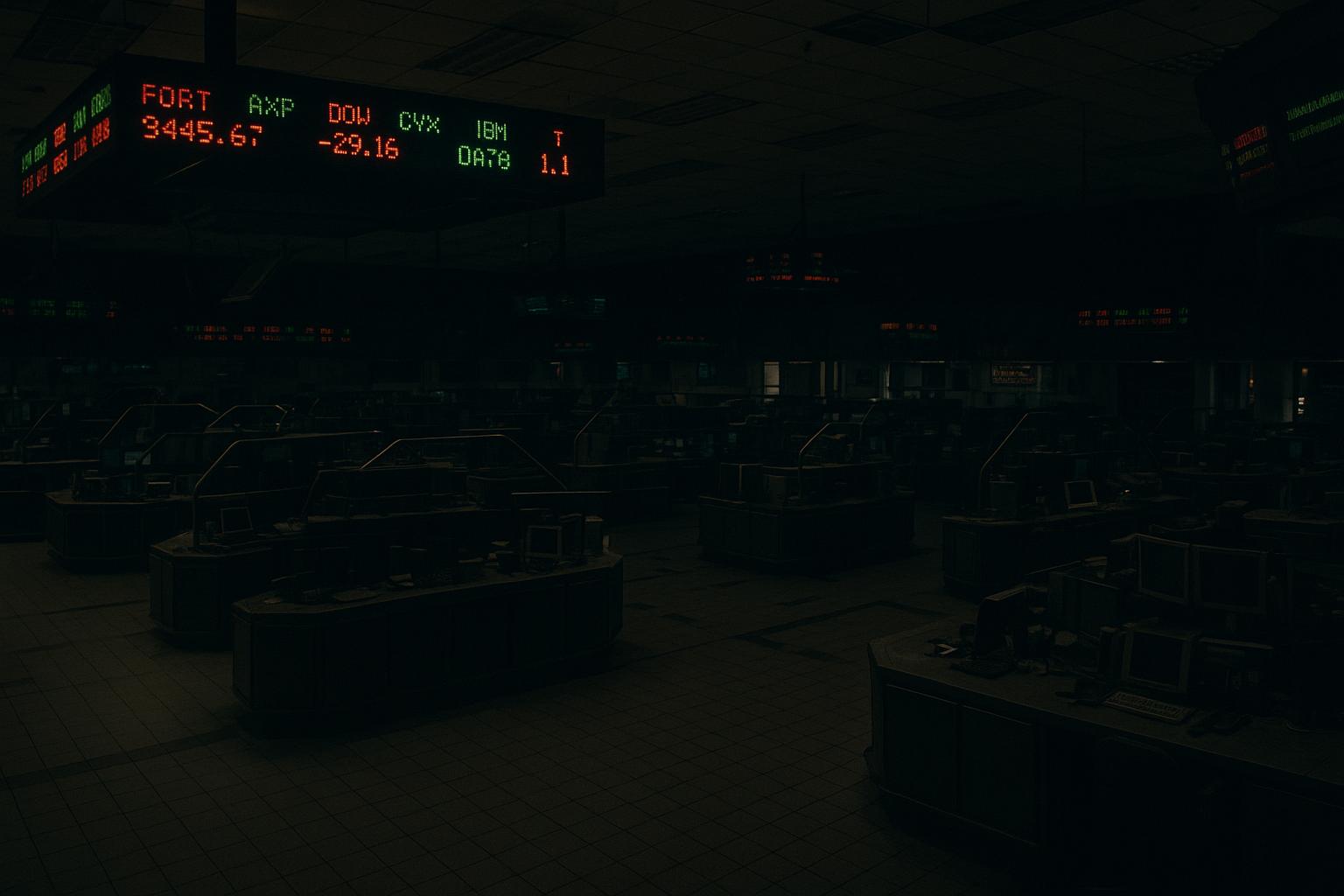
Remembrance Day, observed annually on November 11th, is a solemn occasion commemorating the end of World War I and honouring those who sacrificed their lives in military service. Beyond its cultural and historical significance, Remembrance Day also subtly influences financial markets, particularly in Canada where it is a statutory holiday. Historically, markets tend to reflect a period of subdued activity, as investors and traders prioritise remembrance over active trading. Data from the Toronto Stock Exchange reveals a consistent pattern of about 10% decline in trading volume on Remembrance Day compared to typical days, indicating reduced market participation.
This dip in market activity is part of a broader trend seen during commemorative holidays globally. Reduced trading volumes are common as many market participants take time off, and lower liquidity often brings about increased volatility. The week following Remembrance Day has also been noted for experiencing moderate volatility, as regular trading rhythms gradually resume. This post-holiday period is critical for investors, offering potential opportunities for strategic portfolio adjustments.
Investors frequently adopt particular strategies around such holidays. The “buy and hold” approach, for example, helps mitigate the risks associated with low liquidity by encouraging the retention of positions through temporary volatility. Defensive investing also gains prominence, with a focus on stocks that pay consistent dividends and exhibit stable earnings, providing steadier returns during quieter market intervals. Such strategies help investors navigate the unique market conditions fostered by national observances.
The impact of holidays on markets is not unique to Remembrance Day. Looking at other major holidays in North America reveals similar patterns. For instance, Memorial Day in the United States is associated with lower trading volumes and a “risk-on” sentiment leading up to the long weekend, often producing above-average returns on the Friday before the holiday. However, post-holiday returns tend to be more muted, and the market can exhibit heightened summer volatility due to increased retail investor participation and shifting macroeconomic factors. Thanksgiving week in the US also sees diminished trading volumes, sometimes 25-30% below average, leading to greater price swings on relatively small trades. Black Friday and the days surrounding Thanksgiving are marked by early market closures and lower liquidity, yet consumer spending surges, particularly online, reflecting different economic dynamics from the stock market’s activity.
Legal frameworks shape market behaviour too. In Canada, Remembrance Day’s status as a statutory holiday directly influences trading hours and schedules. Government announcements and economic data releases are sometimes timed around such holidays, which can introduce additional market shifts. Awareness of these legal and regulatory elements is crucial for investors to plan trades better and avoid unexpected disruptions.
Looking ahead to Remembrance Day in 2025, the market sentiment is cautiously optimistic. While the economic environment remains affected by global events, analysts suggest moderate activity with growth potential as various sectors stabilise post-holiday. Social media commentary reflects this blend of cautiousness and opportunity, with traders emphasising the importance of strategic patience and analysis based on historical holiday patterns.
Overall, understanding the nuanced impact of Remembrance Day on market behaviour provides investors a valuable lens through which to navigate these periods. By recognising the typical drops in trading volume, potential for post-holiday volatility, and the relevance of defensive and long-term investment strategies, market participants can align their activities to better manage risks and capitalise on opportunities during and after these reflective pauses in trading.
📌 Reference Map:
- [1] (Google News / CBC) - Paragraphs 1, 2, 3, 5, 6, 7
- [2] (Triumph Capital Management) - Paragraph 4
- [3] (Medium Contentworks) - Paragraph 4
- [4] (Nasdaq) - Paragraph 4
- [5] (The Firsty) - Paragraph 6
- [6] (Trade Ideas) - Paragraph 6
- [7] (Open Market Cap) - Paragraph 3
Source: Noah Wire Services