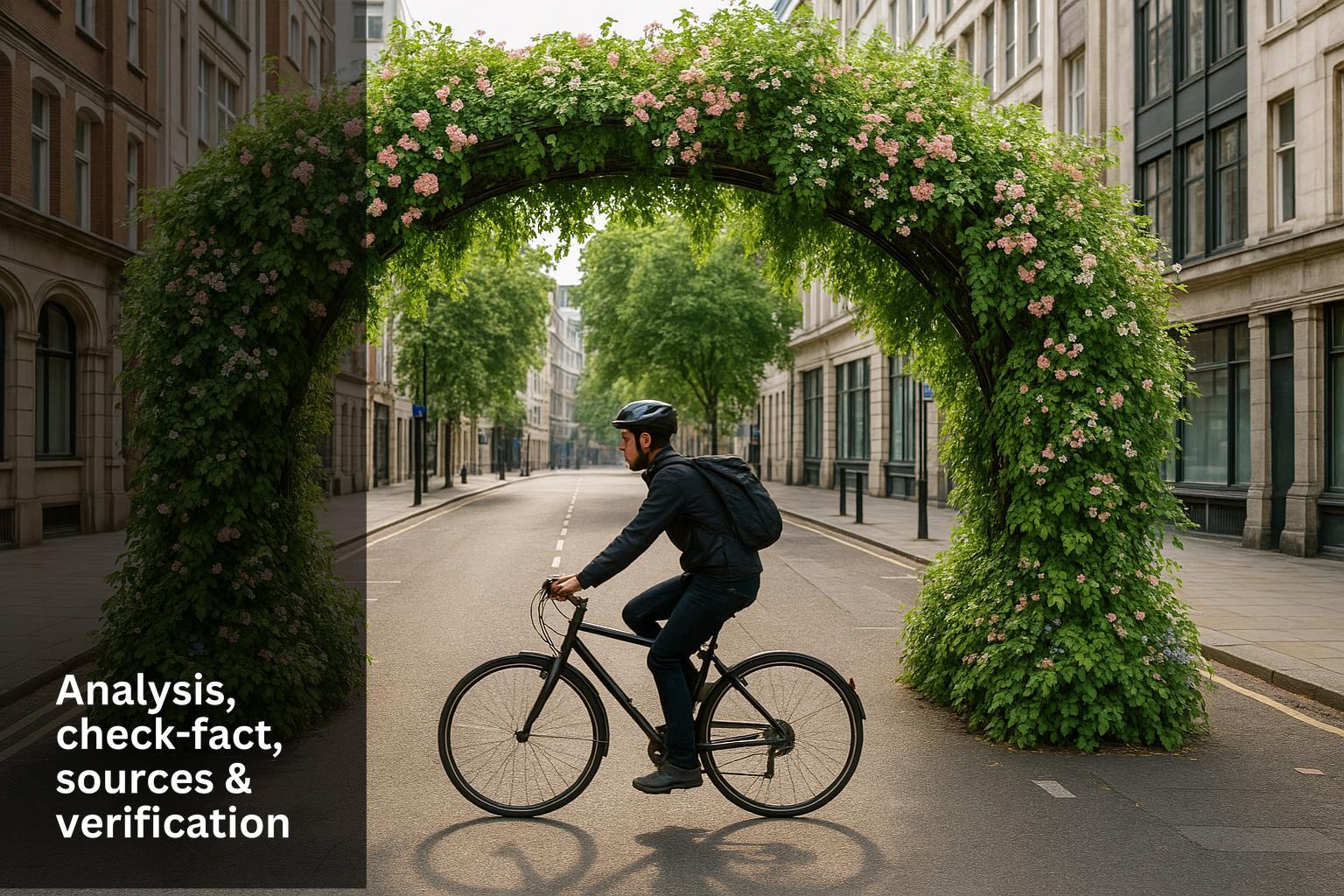
Shoppers and residents are spotting bold new sketches from Camden Council that show how the Holborn Liveable Neighbourhood could be reshaped into a greener, calmer and more people-friendly quarter. The plans, drawn up with Transport for London, aim to cut pollution, add trees and make walking and cycling safer , and you can comment until February 2026.
- Widespread engagement: More than 1,050 people took part and over 3,000 insights were gathered, including focused feedback from people with sensory and mobility needs.
- Cleaner air and more greenery: Sketches prioritise new trees, planting and better public spaces that feel calmer and smell fresher.
- Safer streets for people: Designs focus on pedestrian and cycling safety with permanent transport safety measures already delivered in parts of Holborn.
- Accessible by design: New public spaces are meant to be inclusive and easy to move through, with attention to tactile routes and sightline needs.
- Long consultation window: The ideas are open for comment until February 2026 ahead of a full public consultation planned for Autumn 2026.
Why Camden’s sketches feel like a fresh start for Holborn
Camden’s new sketches land as a visible effort to give Holborn the kind of investment many locals have asked for , cleaner streets, fewer traffic harms and a lot more green. The opening message is simple and human: make the area safer and nicer to be in, whether you’re walking, cycling or visiting shops and offices. There’s a pleasant sensory cue in the proposals too , more trees and plants should make the area feel cooler in summer and smell less of diesel.
This is not a sudden idea. Councillor Adam Harrison has framed the project as the next phase of work that’s already seen some permanent safety improvements installed. That continuity helps the proposals feel credible rather than speculative, and residents have noticed that some of the first small changes have already made walking around Holborn calmer and less stressful.
What locals actually told planners and why it matters
The council engaged widely , focus groups, pop-ups and online responses , and specifically spoke with people with vision impairments and mobility needs. The recurring asks were practical: well-maintained public spaces, inclusivity, clear information on traffic impacts and designs that feel unique to Holborn rather than generic concrete squares.
That feedback matters because it’s shaping the sketches now on Camden’s commonplace site. People don’t just want planters stuck on pavements; they want spaces that invite lingering, street trees that bring shade and lower noise, and routes that work for everyone. In other words, this is about how the area will feel on a weekday morning as much as how it functions during the evening rush.
How these ideas compare with other liveable neighbourhood schemes
Camden’s approach mirrors trends across London, where boroughs and TfL are moving from micromanaged road fixes to broader placemaking. The emphasis here is on walking, cycling and public realm, rather than simply pushing traffic elsewhere. That’s a subtle but important difference: unlike earlier schemes that were judged mostly on vehicle throughput, this plan pitches Holborn as a place you’d want to spend time in.
If you’re comparing schemes, look for specifics , number of trees, types of surfaces, seating that feels inviting and step-free access. Camden’s materials try to show those specifics in sketch form, which makes it easier to imagine how the area could look and feel. And if you’re budget-minded, this is where “best-value” thinking comes in: reversible interventions that can be adjusted as the council learns what works.
Practical advice for weighing the sketches and commenting
If you want to feed in, take a walk now and picture the sketches overlaid on the streets you use. Think about daily journeys , is crossing easier? Is there enough space for a buggy or a wheelchair? Does a proposed new tree or seating spot feel like it will be maintained, or could it become neglected?
Camden is clear that the conversation will continue until February 2026, with a full public consultation in Autumn 2026. So there’s time to be constructive: offer evidence where you can (for instance, mention traffic issues at particular times), suggest small changes, and highlight what makes Holborn special. The council has said it will publish responses and refine the plans, so local input can genuinely influence outcomes.
What to watch next and how this could change Holborn day to day
Look for the first pilot projects and further permanent safety works to see how sketches translate into streetscape. Early wins will likely be small but visible , extra planting, improved crossings, clearer cycle routes , and each can shift how people feel about the area. Over a few years, these changes add up: lower pollution, calmer pavements and more space for local businesses to thrive.
Councillor Harrison’s tone suggests a long game: plans will be refined and tested rather than rushed into place. That patience is sensible; getting details right for accessibility and traffic impacts makes the final scheme more likely to last and to be loved.
Ready to take a closer look? Check the sketches and leave feedback on Camden’s commonplace page to help shape Holborn’s next chapter.