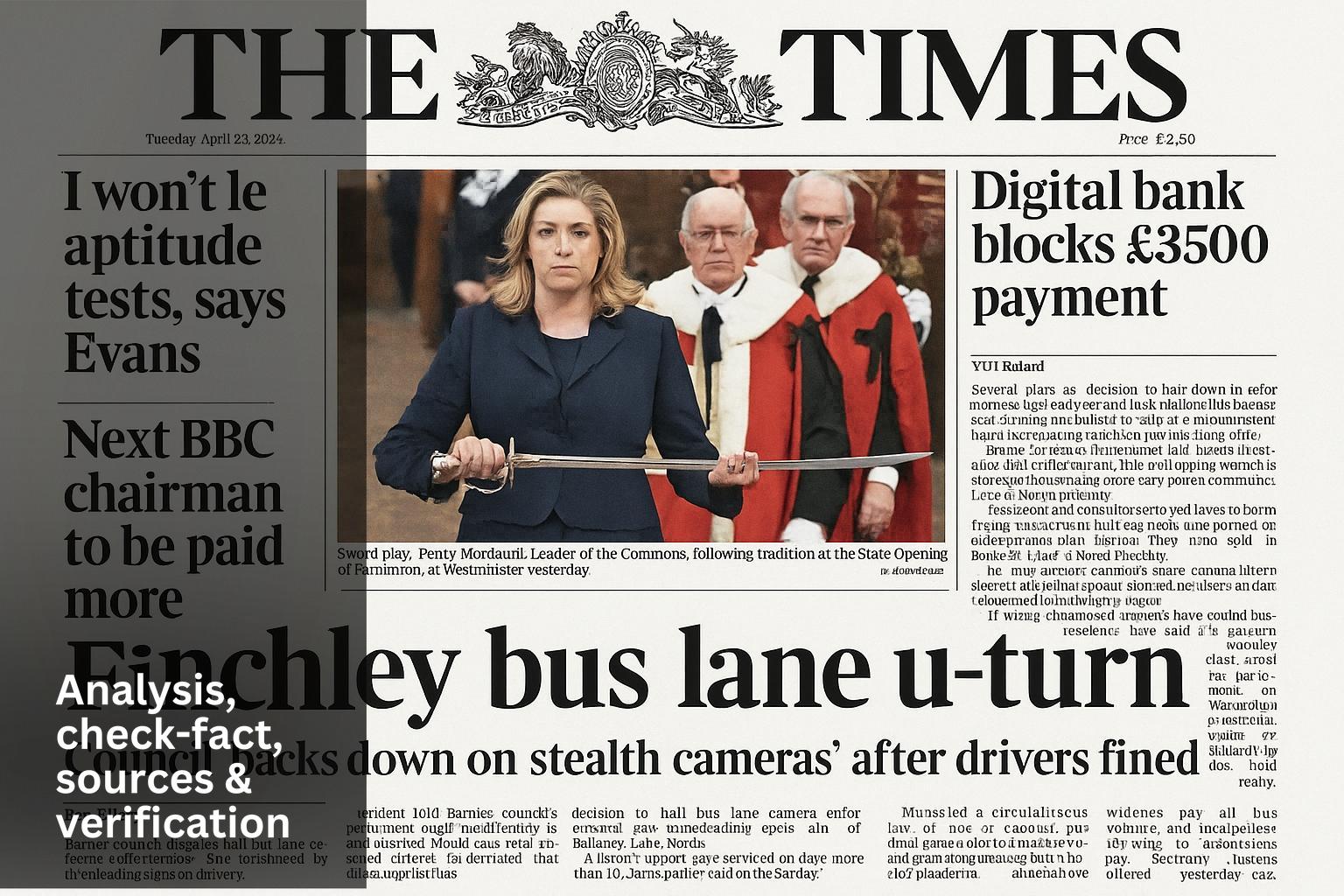
Shoppers and commuters are celebrating after Barnet Council scrapped plans for a controversial Finchley bus lane, but questions remain about who pays and why the reversal happened. Residents say the U‑turn matters for traffic, parking and neighbourhood life , and many want clarity on the cash already set aside for the scheme.
- U‑turn confirmed: Barnet Council has abandoned the proposed Finchley bus lane following sustained local opposition and campaigning.
- Local reaction: Supporters of the decision say it will keep parking and short local journeys easier; opponents of the original plan claimed it would have felt intrusive.
- Money question: Councillors and campaigners want to know what will happen to the funds originally allocated to the project , it’s unclear if they’ll be returned, reassigned, or spent elsewhere.
- Campaign force: Residents and activists, including persistent campaigners who pushed back from the start, say the decision shows how local pressure can shift transport plans.
- Practical impact: In the short term expect little physical change; longer term, debates over traffic strategy and bus priority are likely to resurface.
Why the Finchley bus lane U‑turn landed so suddenly and why locals care
This felt like a small victory you could almost hear , cheers from parked cars and relieved groans from drivers who feared lost spaces. The council’s decision to drop the Finchley bus lane brought immediate relief for residents who said the change would have eaten into kerbside parking and made short trips harder. People pictured family runs, local deliveries and visitors struggling for the kind of quick stop that makes suburban life tick.
Behind the celebrations though, there’s tension. Some residents who fought the scheme from day one say the reversal isn’t just about the neighbourhood mood. They suspect political calculations or wider transport strategy shifts played a role. Either way, the outcome shows local voices can matter, and that Barnet’s transport plans can be altered when people push back.
How this fits into a bigger London transport picture
London councils have been balancing bus priority schemes with fears about parking loss and traffic displacement for years. Finchley’s episode echoes other local battles where bus lanes, cycle routes or pedestrian schemes divided communities. While bus lanes aim to speed public transport and cut emissions, they also change how people use local streets, and that friction is familiar across the capital.
Campaign groups and councillors now face a question common to many such disputes , does rolling back one scheme make it likelier to appear elsewhere, or does it stall broader efforts to make buses more reliable? Boroughs often juggle limited budgets and competing priorities, so Finchley will be watched as a test case for whether community pushback can reset a planned scheme across other neighbourhoods.
The money question: where did the allocated funds go and who decides next
This is the sticky part. Money had been set aside for the Finchley scheme, and residents are rightly asking what happens to it now. Councils can reassign funding to other transport projects, return it to central budgets, or hold it for future schemes, but transparency is key. Campaigners want a clear account so the reversal doesn’t look like a political manoeuvre with no financial accountability.
Expect councillors to debate the options publicly. If the cash goes to other local improvements , say pavement repairs, parking management, or safer crossings , that will soothe some critics. If it vanishes into a general pot with no explanation, people will be more suspicious, and rightly so.
What residents who opposed the lane are saying now
Voices like Josh Baron, who has campaigned against the plan since the start of the year, welcomed the decision but pushed further. He questioned whether the change truly reflected resident feedback or whether deeper factors were at play. That kind of scepticism is common after big local wins; people want assurances that the victory won’t be an easy reversal down the line.
Others are celebrating a practical win: fewer lost parking spaces, easier access for deliveries and friends, and the preservation of that small-town street feel many love about Finchley. For many, it’s a reminder that persistent local campaigning , meetings, petitions and conversations over garden fences , can reshape council plans.
What happens next for transport in Finchley and how you can keep up
In the short term, nothing dramatic will unfold on the street. No new road markings, no lane cameras, just the status quo. Longer term, Barnet Council may revisit bus priority options, perhaps focusing on less intrusive measures or new locations where community support is stronger. Local groups and councillors will likely press for a public breakdown of the funding, and you can expect further consultations before any new scheme is proposed.
If you care, get involved: check council minutes, ask your local councillor for the funding details, and look out for public consultations. Keeping a close eye now makes it easier to shape the next conversation.
Ready to keep Finchley streets working for residents? Check Barnet Council updates and ask for the funding breakdown to see how today’s U‑turn will affect tomorrow’s transport plans.