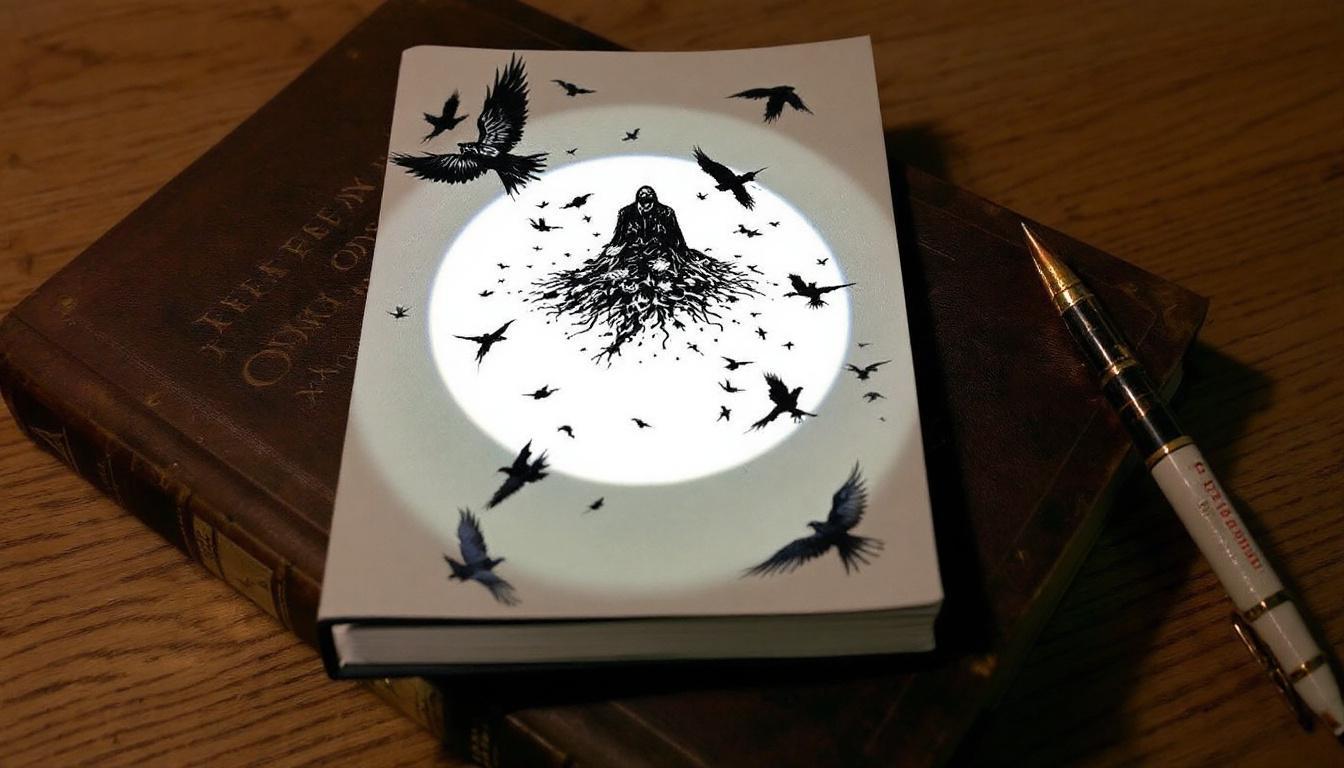
George R.R. Martin’s team has firmly denied accusations that artificial intelligence (AI) was employed to create some of the artwork in the newly released illustrated edition of A Feast for Crows, the fourth instalment in his beloved A Song of Ice and Fire series. The 20th anniversary edition, published by Penguin Random House, features illustrations by Jeffery R. McDonald and was marketed as a premium collector’s piece. However, fans quickly scrutinised the artwork, raising suspicions over what they perceived as AI-generated elements like odd background details, repetitive textures, and anatomical anomalies.
In a statement shared on social media and Martin’s blog, Not a Blog, Raya Golden, who manages the art direction and licensing development at Fevre River and works closely with Martin, addressed these accusations. Golden emphasised that while the artist used digital multimedia tools, no AI programming was involved in producing the illustrations. She asserted that Martin’s office does not and will not endorse working with AI generative art for any official projects, underscoring their commitment to traditional artistic methods. According to Golden, the artist provided a clear assurance that no AI was used, a claim the team stands behind.
The controversy unfolded as fans on platforms such as Reddit and X extensively discussed irregularities in the artwork, pointing out inconsistencies such as the lack of heraldic banners, the appearance of a Christian cross, and anatomical oddities in characters. Some also noted apparent parallels between the official illustration of Lady Stoneheart and a fan-created piece, heightening scepticism about the source of the artwork.
This dispute over the artwork comes amid broader tensions concerning AI’s role in creative industries. George R.R. Martin is among a group of prominent authors, including John Grisham, Jonathan Franzen, and Jodi Picoult, who have filed a class-action lawsuit against OpenAI and Microsoft. The lawsuit alleges that these tech companies used copyrighted material, potentially including Martin’s works, without permission to train AI models like ChatGPT. The legal battle is part of a larger wave of copyright cases being consolidated in a Manhattan federal court, following similar claims by newspapers such as The New York Times. These cases challenge the use of protected content in AI training data, raising significant concerns about intellectual property rights and the future of creative professions.
Despite the legal pressures and the ongoing difficulty he faces in completing the next book in the A Song of Ice and Fire series, Martin has reiterated his dedication to the saga. Speaking at New York Comic Con, he acknowledged the delays in publishing The Winds of Winter but conveyed his continued interest and passion for the story, as well as his struggle to find solace in writing under the pressure of deadlines.
The artwork controversy around A Feast for Crows highlights the fraught intersection of digital innovation and traditional art, especially within highly treasured and closely followed literary works. While fans debate the authenticity of the illustrations, Martin’s team stands clear in their denial of AI involvement, reinforcing an ongoing resistance among many creators to the integration of AI in artistic production.
📌 Reference Map:
- [1] (The Independent) - Paragraphs 1, 2, 3, 5, 6, 7
- [2] (GamesRadar) - Paragraph 2
- [5] (AV Club) - Paragraph 2
- [6] (The Guardian) - Paragraph 4
- [7] (CNBC) - Paragraph 4
- [3] (AP News) - Paragraph 4
- [4] (Reuters) - Paragraph 4
Source: Noah Wire Services