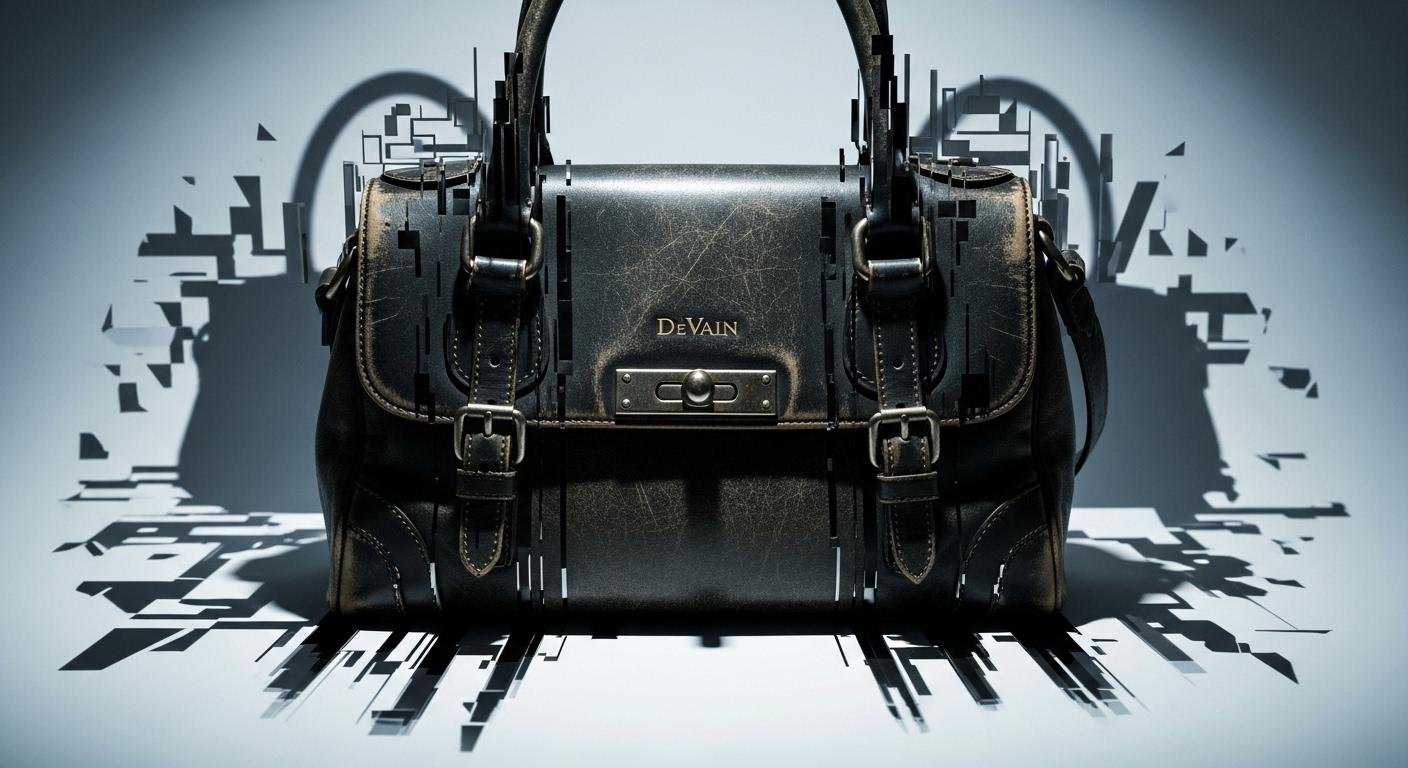
Valentino's latest campaign for the DeVain handbag, presented as "a journey through kaleidoscopic geometries and pure imagination," has provoked a wave of criticism after the fashion house released a short, AI-assisted advert. According to the original report, the clip opens with a blonde model emerging from the gold bag and includes surreal moments such as groups of models whose limbs appear to interlock to form the Valentino logo. [1][2]
The video is the second chapter of what Valentino describes as The Valentino Garavani DeVain Digital Creative Project, a wider effort that involved nine collaborating artists. Valentino posted the piece to Instagram with the caption describing the work as "a surreal encounter with the Valentino Garavani DeVain bag." Industry coverage notes that five credited collaborators , Enter The Void, Paul Octavious, Albert Planella, Animus Pax, and Total Emotional Awareness , are reported to have used AI tools to assist the ad's creation. [1][2][3]
Reaction on social media was swift and hostile. Viewers labelled the advert "disturbing," "AI slop" and "cheap," with many questioning whether the brand had been "hacked" or whether the piece represented a deliberate provocation. Comment threads cited in news coverage show fans accusing a major fashion house of trading human creativity for machine-generated imagery and of producing work that feels "not on brand." [1][2][3][4]
Critics and commentators have framed the backlash as part of a broader cultural resistance to AI-produced creative work. Media reports say responses ranged from disappointment at the aesthetic result to wider concern about the implications for employment and the integrity of luxury branding if AI increasingly replaces human-led artistic direction. One outlet characterised the campaign as "rage-baiting," arguing the shock value of the visuals may have been intended to provoke debate. [3][4][6]
The controversy also echoes recent incidents in the fashion industry where AI-produced imagery has drawn rebuke. Coverage recalls a separate episode in which Guess used imagery said to be produced by an AI marketing company in a print spread for Vogue, prompting conversation about the ethical and cultural costs of substituting virtual models for real people. According to reporting, critics warned that such trends risk creating unattainable beauty standards that are not even real. [1][3]
Valentino has not publicly expanded on the technical methods used beyond crediting the participating artists; the company was contacted for comment, according to the original report. Industry data and reporting on the incident highlight a persistent tension for luxury brands: experimenting with avant‑garde digital techniques can generate attention, but it may also alienate established customers if the work appears to undermine the craftsmanship and human artistry associated with high fashion. [1][2][4]
For now, the campaign has succeeded in breaking through social feeds , albeit with a mixture of curiosity and condemnation , and it may force fashion houses to reckon with how AI is deployed in brand storytelling if reputational risk outweighs the novelty. Observers say the episode will likely amplify calls for clearer disclosure when AI tools are used and for greater sensitivity to audience expectations in luxury advertising. [2][3][4][6]
📌 Reference Map:
##Reference Map:
- [1] (Daily Mail) - Paragraph 1, Paragraph 2, Paragraph 3, Paragraph 5, Paragraph 6
- [2] (eWeek) - Paragraph 1, Paragraph 2, Paragraph 6, Paragraph 7
- [3] (Cointeeth) - Paragraph 2, Paragraph 3, Paragraph 4, Paragraph 7
- [4] (CyberNews) - Paragraph 3, Paragraph 4, Paragraph 6, Paragraph 7
- [6] (Hindustan Times) - Paragraph 4, Paragraph 7
Source: Noah Wire Services