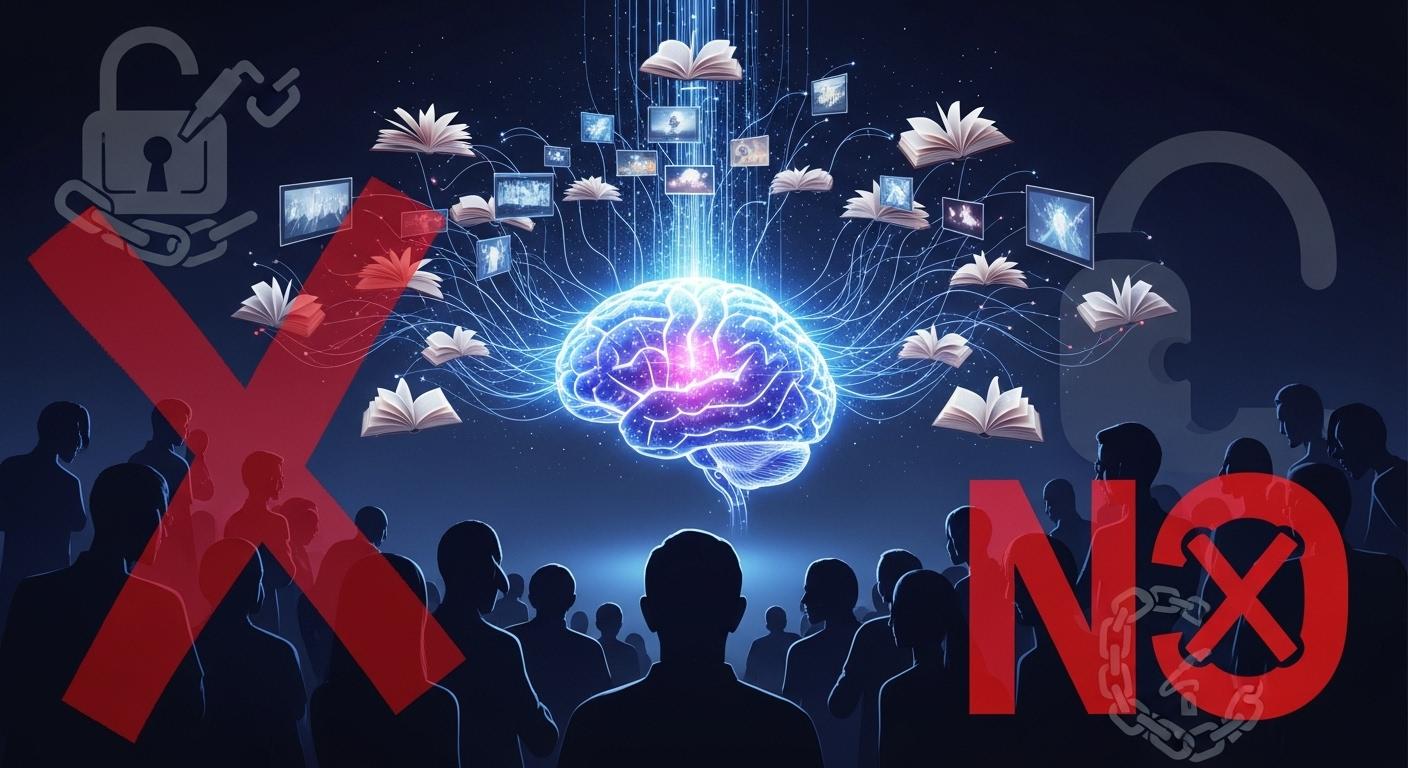
The UK public has overwhelmingly rejected proposals from the Labour government's consultation that would have allowed AI firms broader access to copyrighted material without mandatory licences, according to reporting of the consultation's findings. The Daily Mail reported that just 3% of respondents backed a government-favoured "opt-out" approach for the creative industries, while 88% supported strengthening copyright by requiring companies to pay for licences and a further 7% favoured maintaining existing protections. [1]
Those responses underline deep concern across the creative sector about how large technology companies use online text, images and music to train generative AI models without paying or crediting creators. The original report, as described in coverage, said musicians including Sir Elton John, Sir Paul McCartney and Kate Bush, together with actors and publishers, criticised the plans; industry groups urged the government to abandon any new exception that would permit unfunded use. [1]
The government has been running a formal consultation to balance the interests of creators and AI developers, exploring options such as licensing frameworks, transparency requirements about training data, and protections to ensure creators can be compensated for use of their work. According to the consultation documents, ministers say they aim to "protect creative works, whilst also ensuring the UK reaps the transformational benefits of AI and keeps our place as one of the world's top innovators and economies." [2][7]
Industry and parliamentary actors have responded with calls for stronger safeguards. Two cross‑party committees emphasised the need for fair remuneration and improved transparency around the datasets used to train models, warning against adopting the government's preferred option without workable technical solutions. Chi Onwurah, chair of the Science, Innovation and Technology Committee, has written to major AI firms including Google and OpenAI seeking clarity on their consultation responses and data practices. The committees' interventions reflect concern that the consultation process must deliver protections that are enforceable in practice. [6][5]
Critics also argue the consultation process itself has at times appeared skewed towards the interests of AI companies. Film‑maker and crossbench peer Beeban Kidron told The Guardian she believes the proposals risk transferring wealth from the creative industries to the tech sector and questioned the fairness and transparency of the review. That viewpoint sits alongside repeated defeats in the House of Lords over attempts to enshrine stronger transparency and copyright safeguards, including amendments to the Data (Use and Access) Bill. Peers have pressed for requirements that rights holders be informed when their work is used to train models. [3][4]
The Department for Science, Innovation and Technology said the consultation attracted so many responses that an 80‑civil‑servant taskforce was established to analyse them; the department has stated it will provide a detailed summary of responses on each option and technical area as part of its ongoing reporting. The consultation coverage shows both the creative industries and the tech sector broadly agree that any future change should minimise unnecessary red tape, even as they remain deeply divided over how rights and payments should operate in practice. The government said it is "continuing to consider all options." [1][2][7]
As the debate continues, industry bodies urged clear action. Owen Meredith of the News Media Association called for the government to "definitively rule out any new copyright exception, bringing an end to the uncertainty created by this prolonged process," arguing licensing would unlock investment and strengthen the market for high‑quality content. Sophie Jones of the BPI said it was "imperative" the government drops a Text and Data Mining exception as "unnecessary and harmful to the UK's creative industries and jobs it supports." Campaigners for fair AI compensation described the consultation results as an "overwhelming repudiation" of the government's previously preferred option. These voices frame the policy choice as one between preserving existing copyright protections coupled with licensing and transparency, or loosening rules in ways critics say would disadvantage creators. [1]
##Reference Map:
- [1] (Daily Mail) - Paragraph 1, Paragraph 2, Paragraph 6, Paragraph 7
- [2] (GOV.UK consultation page) - Paragraph 3, Paragraph 7
- [7] (GOV.UK news) - Paragraph 3, Paragraph 7
- [6] (Science, Innovation and Technology Committee) - Paragraph 4
- [5] (Science, Innovation and Technology Committee) - Paragraph 4
- [3] (The Guardian) - Paragraph 5
- [4] (Evening Standard) - Paragraph 5
Source: Noah Wire Services