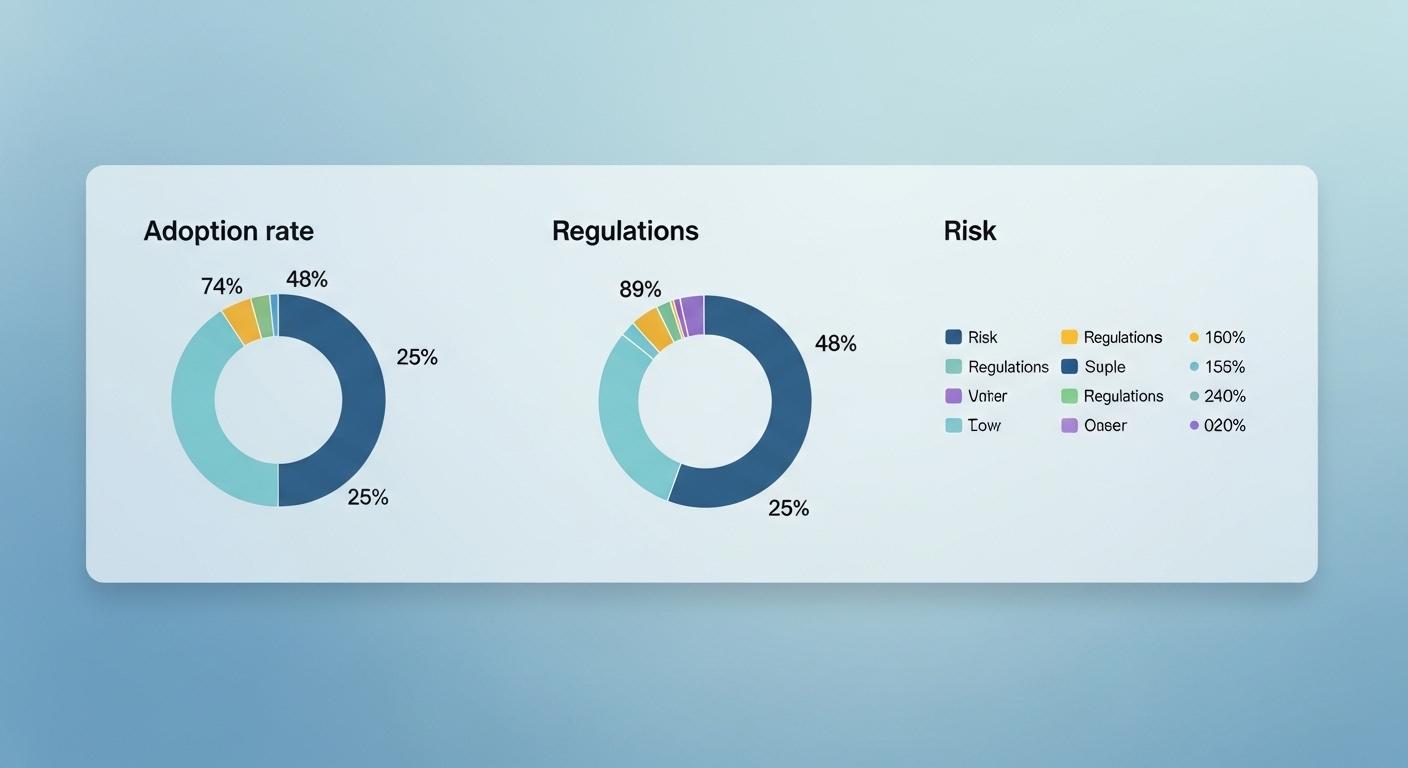
The adoption of generative artificial intelligence across Canadian workplaces has accelerated rapidly, bringing productivity gains alongside fresh legal and ethical challenges. According to the federal government’s voluntary code on advanced generative AI systems, organisations are urged to adopt responsible development and management practices, yet the practical impact of those recommendations varies widely by sector and size. Industry observers warn that without clear policies and oversight, routine uses of AI, from résumé screening to automated content generation, can create compliance gaps and reputational risk. (Sources: Canada’s Voluntary Code; Bill C‑27 background).
At the federal level, efforts to codify AI rules have so far stalled. The Digital Charter Implementation Act, 2022, which included the Artificial Intelligence and Data Act, was introduced with the aim of setting national standards for transparency and accountability in AI systems. Provisions in that package, designed to curb misuse and require lawful data practices, have informed current guidance, but the legislation did not progress into force, leaving a patchwork of voluntary guidance and existing law to govern most workplace uses of AI. (Sources: Bill C‑27 legislative record; OPC commentary on AIDA provisions).
Provincial rules are filling some of the gaps left at Ottawa. Ontario has amended its Employment Standards Act to require employers with more than 25 staff to disclose in public job postings if they use AI to screen, assess or select candidates, a transparency measure that came into force on 1 January 2026. Quebec’s private‑sector privacy statute already imposes obligations where decisions are based solely on automated processing, including notice and, on request, explanations and human review rights. These divergent provincial approaches mean employers operating across jurisdictions must navigate multiple, sometimes overlapping, obligations. (Sources: Ontario ESA changes; Quebec automated‑decision requirements).
Accessibility and equity have moved to the fore with the publication in December 2025 of a national standard focused solely on inclusive AI design. Accessibility Standards Canada’s CAN‑ASC‑6.2 sets out voluntary requirements intended to ensure AI systems do not exclude or disadvantage people with disabilities, aligning domestic practice with international best‑practice guidance. Organisations are encouraged to adopt the standard’s principles, though it remains non‑binding unless regulators choose to codify it. (Source: Accessibility Standards Canada announcement).
Existing legal frameworks outside of bespoke AI rules remain potent constraints on employers. Human rights law can render automated hiring tools unlawful where they have disparate impacts on protected groups. Privacy statutes and related guidance also constrain how personal information may be collected and used for AI training and decision‑making; notably, federal guidance highlights offences for using personal data acquired through unlawful means in AI system development, underscoring the need for lawful data provenance. Employers face potential liability on multiple fronts if they deploy systems without adequate safeguards. (Sources: OPC guidance on data lawfulness; analyses of automated decision implications).
Practical risk management for employers centres on governance, transparency and training. Best practice includes a written AI use policy that defines permitted tools and workflows, requires prior approval for certain uses, mandates disclosure where automated decisions affect individuals, and sets clear consequences for misuse. Organisations should also assess IP and data‑sharing terms with AI vendors, conduct bias and privacy impact assessments, and document mitigation measures. According to federal and standards guidance, voluntary codes and the new accessibility standard offer useful templates, but legal counsel should be consulted to tailor controls to each employer’s operational and jurisdictional context. (Sources: Voluntary Code; Accessibility Standard; Ontario posting rules).
Source Reference Map
Inspired by headline at: [1]
Sources by paragraph:
- Paragraph 1: [3], [5]
- Paragraph 2: [5], [4]
- Paragraph 3: [6], [7]
- Paragraph 4: [2]
- Paragraph 5: [4], [7]
- Paragraph 6: [3], [2], [6]
Source: Noah Wire Services