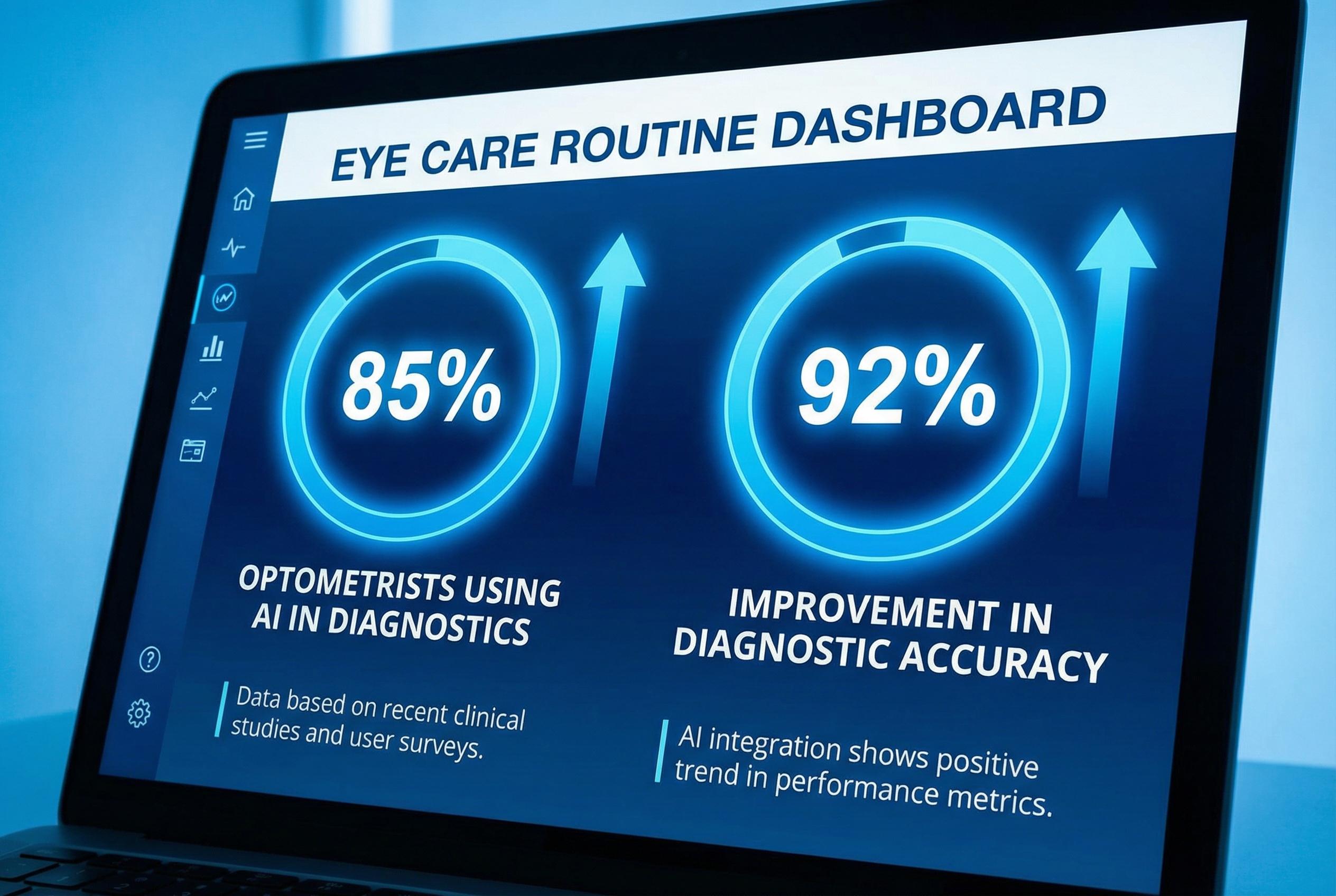
Optometrist Kishan Devraj used his continuing professional development session at 100% Optical to argue that artificial intelligence is moving from novelty to a practical adjunct in eye care, demonstrating tools and workflows that could reshape routine clinic work. According to the 100% Optical seminar programme, the session combined demonstrations with interactive case work to show how models can support clinical decision-making and boost productivity for practitioners. [2],[3]
Devraj framed AI broadly as machines predicting outcomes from inputs and outlined a four-layer technical stack, energy, computing infrastructure, silicon chips and cloud services, that underpins current models, noting that cloud deployment is what makes many tools accessible to clinicians. He referenced widespread public use of conversational AI for health queries and cited figures on weekly ChatGPT health questions and after-hours usage to underline patient behaviour trends. Industry commentary and prior pieces by Devraj have stressed the rapid public uptake of large language models and their implications for primary care. [3],[6]
At the heart of the session was a distinction between general-purpose language models and specialist ophthalmic systems. Devraj showcased domain-specific examples, naming RetFound and Google DeepMind’s MedGemma as models trained on ophthalmic images and clinical data rather than generic web text, and he invited attendees to examine fundus images analysed by the open-access MedGemma model on a bespoke website. Coverage of ophthalmology-focused AI in trade outlets has similarly emphasised the difference between image-based diagnostic algorithms and conversational assistants. [1],[2]
Devraj argued that specialist models can address clinical demand, reducing waiting lists and augmenting diagnostic throughput, while also flagging persistent limitations: variable generalisability, potential racial and ethical biases, integration hurdles, workforce impact and legal uncertainty. Analysts tracking ophthalmology trends this year have highlighted the same trade-offs, noting advances in autonomous diabetic retinopathy screening alongside calls for robust external validation to limit false positives. [5],[4]
On MedGemma specifically, Devraj described features such as patient-summary generation and reported the model’s approximate 82% accuracy on ophthalmology exam-style questions, framing the tool as a prospective “clinical assistant” rather than a standalone manager. He suggested such assistants might be clinically helpful by 2028 while cautioning that widespread patient-facing deployment is unlikely before regulatory frameworks and governance arrangements are established. Industry commentary and academic evaluations of LLMs in ophthalmology exams corroborate the technology’s promise in educational and adjunct roles while urging careful validation. [1],[7]
Throughout the workshop Devraj emphasised clinician responsibility: practitioners must interrogate model provenance, data sources and reasoning, obtain patient consent where models inform care, and always prioritise the person in front of them over algorithmic outputs. He pointed to the College of Optometrists’ emerging focus on core implementation principles, workforce competency, equity and governance as early guidance for the profession. Reporting on professional guidance and regulatory discussion has consistently underlined those same pillars as prerequisites for safe clinical adoption. [1],[3]
Devraj also addressed professional unease, urging clinicians to treat AI as a tool to amplify learning and confidence rather than as a substitute for experience. He encouraged staged adoption, using models to extract relevant information, to assist clinical reasoning and to support education, while recognising that uptake in healthcare has historically been conservative when regulation lags behind innovation. Commentaries in Optician and other sector outlets have similarly advised measured integration, emphasising training, oversight and the avoidance of over‑hype. [6],[5]
Taken together, the session mapped a pragmatic route for optometry: pilot specialist tools in supervised settings, demand external validation and clear governance, and use AI to extend, not replace, clinician judgement. As trade and academic coverage has repeatedly concluded, the technology offers tangible gains for diagnostic capacity and education, but real-world impact will depend on rigorous testing, equitable data practices and regulatory clarity before it becomes routine in patient-facing care. [2],[5]
Source Reference Map
Inspired by headline at: [1]
Sources by paragraph:
- Paragraph 1: [2], [3]
- Paragraph 2: [3], [6]
- Paragraph 3: [1], [2]
- Paragraph 4: [5], [4]
- Paragraph 5: [1], [7]
- Paragraph 6: [1], [3]
- Paragraph 7: [6], [5]
- Paragraph 8: [2], [5]
Source: Noah Wire Services