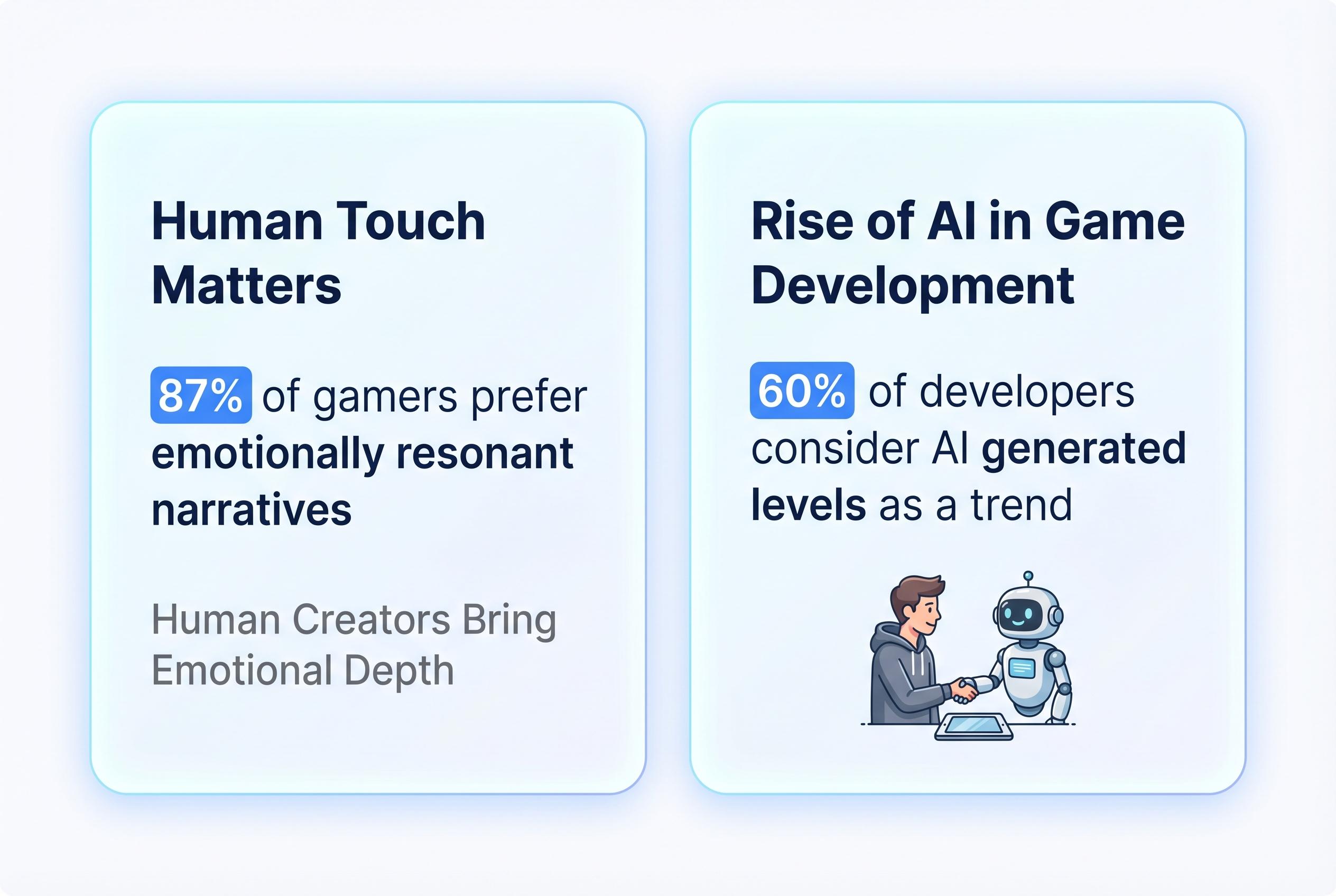
Infold Games has reaffirmed its commitment to human craftsmanship in game design, opposing the use of generative AI as a substitute for creative talent, emphasising the unique emotional ‘soul’ that human creators bring to their projects amid ongoing industry debates.
Infold Games, the studio behind mobile hit Love and Deepspace and dress-up adventure Infinity Nikki, has drawn a clear line against using generative AI as a substitute for creative staff, arguing that the technology still cannot match the emotional texture of human-made work. In comments to IGN Japan, company CTO Ji Zhang said AI is developing quickly and will help reshape the games business, but insisted it cannot provide the “soul” that core creators bring to a project.
That stance fits the company’s emphasis on painstaking visual detail. Zhang said Infold has invested heavily in graphics, including realistic clothing behaviour built around physics-based materials and simulation. He also pointed to the different design priorities of the two games: Love and Deepspace centres on facial expression and character refinement, while Infinity Nikki required the team to solve the challenges of a large open world.
The debate arrives as studios across the industry continue to wrestle with the role of AI. Larian Studios, best known for Baldur’s Gate 3, has faced criticism over early experiments with generative tools, later saying it would not use them for concept art in its next Divinity project. Its leadership has said it still wants to test AI in other parts of development, but only with company-owned or fully authorised data.
Resistance is not limited to art teams. Voice actors connected with Baldur’s Gate 3 have also warned about AI voice cloning, describing it as a threat to both jobs and identity. Against that backdrop, Infold’s position appears aimed at a growing audience that still values visible human craft, particularly in games where players pay for elaborate, hand-designed outfits and character presentation.
Source Reference Map
Inspired by headline at: [1]
Sources by paragraph:
Source: Noah Wire Services
Noah Fact Check Pro
The draft above was created using the information available at the time the story first
emerged. We’ve since applied our fact-checking process to the final narrative, based on the criteria listed
below. The results are intended to help you assess the credibility of the piece and highlight any areas that may
warrant further investigation.
Freshness check
Score:
8
Notes:
The article was published on April 15, 2026, and references recent developments in AI usage within the gaming industry, including statements from Larian Studios and Games Workshop. ([frvr.com](https://frvr.com/blog/news/infinity-nikki-love-and-deepspace-studio-says-ai-lacks-the-soul-to-replace-humans/?utm_source=openai)) However, the article's reliance on a single source, FRVR, raises concerns about originality and potential recycling of content. ([frvr.com](https://frvr.com/blog/news/infinity-nikki-love-and-deepspace-studio-says-ai-lacks-the-soul-to-replace-humans/?utm_source=openai))
Quotes check
Score:
6
Notes:
The article includes direct quotes attributed to Ji Zhang, CTO of Infold Games, stating that AI cannot add 'any soul to content creation' and cannot replace core creators. ([frvr.com](https://frvr.com/blog/news/infinity-nikki-love-and-deepspace-studio-says-ai-lacks-the-soul-to-replace-humans/?utm_source=openai)) However, these quotes cannot be independently verified through other sources, raising concerns about their authenticity and potential reuse from previous statements.
Source reliability
Score:
5
Notes:
The primary source, FRVR, is a niche publication with limited reach and may not be considered a major news organisation. ([frvr.com](https://frvr.com/blog/news/infinity-nikki-love-and-deepspace-studio-says-ai-lacks-the-soul-to-replace-humans/?utm_source=openai)) The article also references statements from Larian Studios and Games Workshop, but these are not directly linked to independent, reputable sources, which diminishes the overall reliability of the information presented.
Plausibility check
Score:
7
Notes:
The claims about Infold Games' stance on AI in game development align with industry trends and the company's known emphasis on human-crafted content. ([frvr.com](https://frvr.com/blog/news/infinity-nikki-love-and-deepspace-studio-says-ai-lacks-the-soul-to-replace-humans/?utm_source=openai)) However, the lack of independent verification and reliance on a single source raises questions about the accuracy and completeness of the information.
Overall assessment
Verdict (FAIL, OPEN, PASS): FAIL
Confidence (LOW, MEDIUM, HIGH): MEDIUM
Summary:
The article presents information on Infold Games' stance against AI in game development, referencing statements from Ji Zhang and industry trends. However, the reliance on a single, niche source with unverifiable quotes and limited independent verification raises significant concerns about the accuracy and reliability of the content. ([frvr.com](https://frvr.com/blog/news/infinity-nikki-love-and-deepspace-studio-says-ai-lacks-the-soul-to-replace-humans/?utm_source=openai))