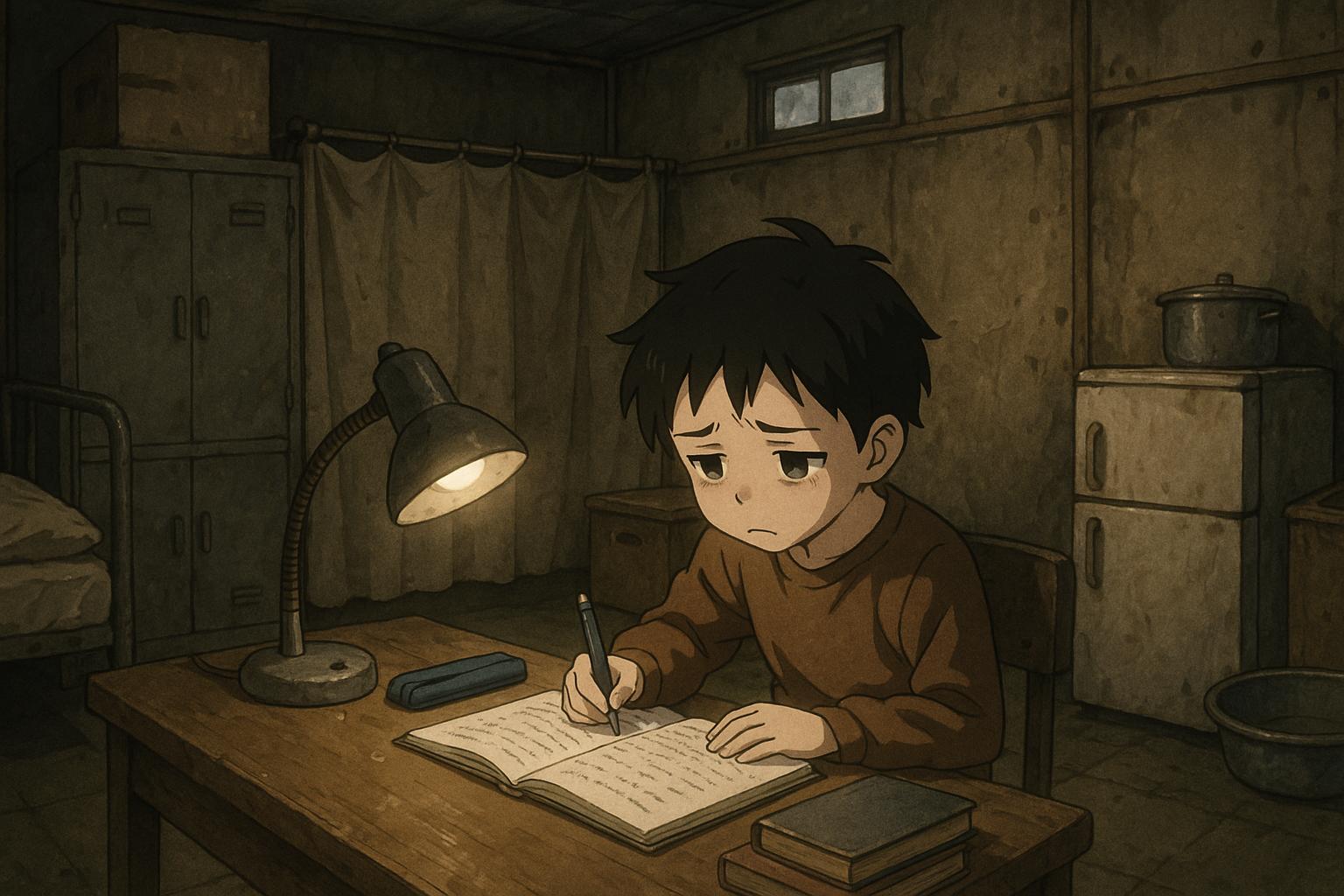
Children in England face an unsettling reality as an increasing number are forced to spend their formative years in temporary accommodation, often lacking stability and basic necessities. A recent report by Citizens UK reveals striking figures, indicating that as of December 2024, approximately 165,510 children were housed in temporary settings, with many families enduring prolonged stays—some dating back to 1998. Such figures underscore an alarming trend that has become more pronounced in recent years, with communities grappling not only with homelessness but also with systemic issues tied to the broader housing crisis.
Temporary accommodation encompasses a range of living situations, including hostels and bed-and-breakfast establishments. The number of households in temporary accommodation has reached a record high of nearly 130,000, reflecting a significant increase driven largely by the ongoing shortage of affordable housing. The report highlights that families are accruing substantial debts due to exorbitant fees for essential services, such as storage and laundry; in some instances, debts have soared to over £8,000, placing an insurmountable financial burden on already vulnerable households.
Moreover, the geographical challenges of homelessness shed light on the disparity in how different boroughs manage their homeless populations. Affluent areas, such as Richmond upon Thames, reportedly relocate up to 75 per cent of their homeless families out of the borough, compared to just 6 per cent in low-income areas like Brent. This practice not only exacerbates the situation for struggling families by moving them further from their support networks but also raises concerns regarding the social equity of housing policies across London.
The report suggests that families are increasingly sharing cramped quarters, with rising numbers of retired individuals also facing the indignities of temporary housing conditions. For instance, a 97-year-old in Brent found herself living in temporary accommodation for three years. Such cases illustrate the lack of options available within the housing system, with older residents often overlooked in discussions about homelessness.
The detrimental impact of living in temporary accommodation on children's education and overall well-being is profound. Space limitations often force children to engage in their studies in inappropriate settings, such as doing homework in shared areas or hotel bathrooms. Critics of government policy argue that the failure to address the root causes of the housing crisis exacerbates these pressures. Dame Siobhain McDonagh MP described the conditions as “abhorrent”, pointing out that the lack of adequate facilities for cooking, storage, and sanitation presents serious challenges for families trying to maintain a semblance of normalcy.
Local councils, while acknowledging the overwhelming demand for affordable housing, are attempting to offer some support. Croydon Council has indicated that the length of stays in temporary accommodation can be rare, although the current reality suggests otherwise. They have committed to exploring various types of housing solutions to alleviate the burden on families.
In response to the housing crisis, the UK government has pledged substantial funding aimed at improving support services, with over £1 billion allocated for tackling homelessness in the current fiscal year alone. They claim this investment, including a designated increase for London, is intended to help families secure stable housing more quickly while also addressing the broader supply crisis through the construction of new homes.
In summary, the plight of children living in temporary accommodation is indicative of a larger, systemic issue within the housing landscape of the UK. While commendable efforts are being made to address immediate needs, the sustainability and efficacy of these measures remain to be proven in a landscape fraught with economic and social inequalities.
Reference Map:
- Paragraphs 1, 2, 3, 4, 5 - Sources [1], [2], [3], [4]
- Paragraphs 6, 7 - Sources [5], [6]
- Paragraph 8, 9 - Sources [7]
Source: Noah Wire Services