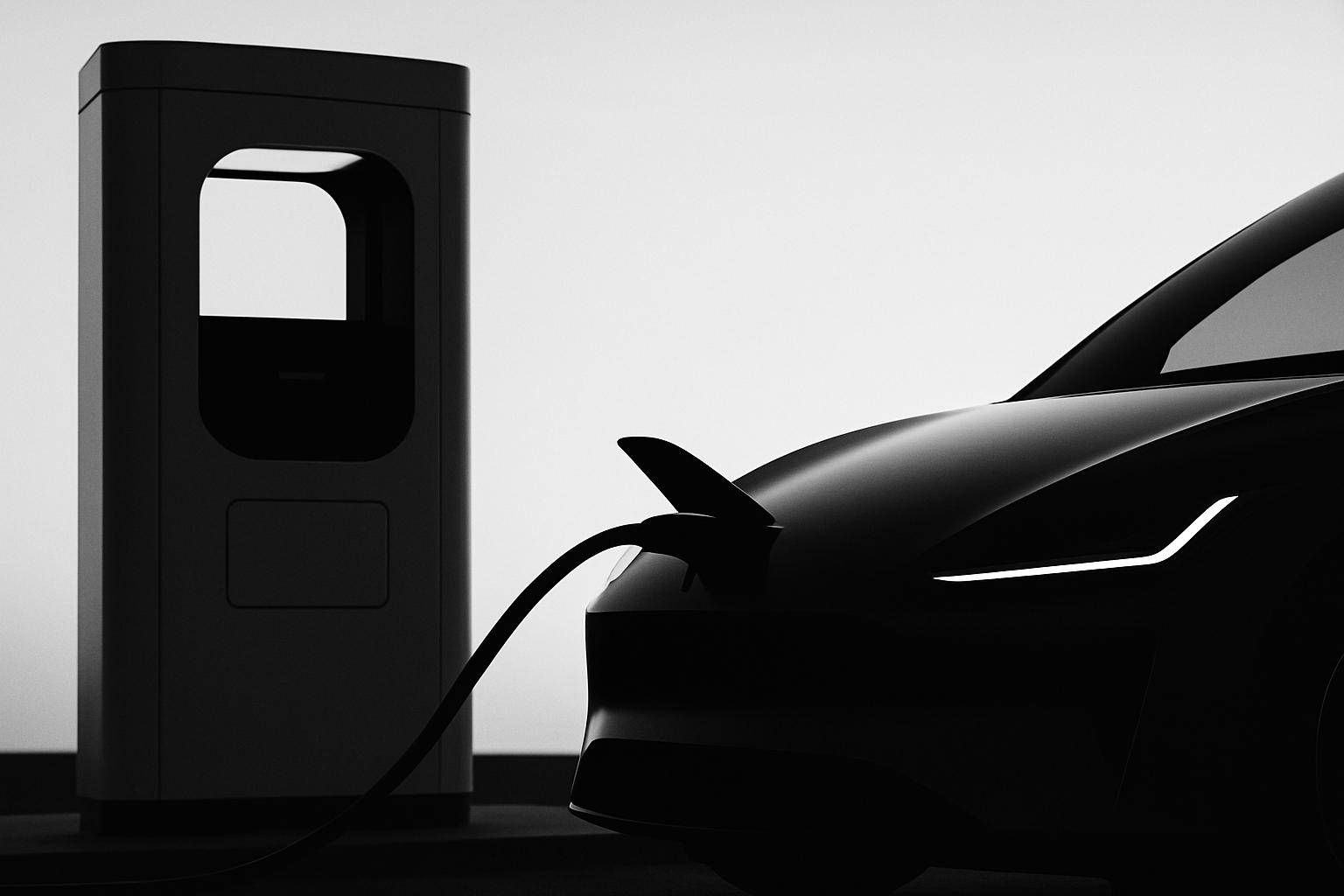
The UK’s journey toward widespread electric vehicle (EV) adoption has reached a pivotal moment, with charging infrastructure now transitioning from merely functional to an enhanced consumer experience that drives adoption further. Daniel Kunkel, CEO of GRIDSERVE, highlights this evolution in an exclusive comment for Transport + Energy, emphasising how the company is powering up the UK’s public charging network and transforming it into premium, destination-style infrastructure.
Over the past decade, the number of public charging points has surged dramatically, from fewer than 1,000 to over 80,000 today. This rapid growth underpins the UK’s ambitious shift to sustainable transport, alongside improvements in vehicle technology and rising consumer awareness. Electric vehicles now account for more than 25% of new car registrations, reflecting a significant market shift supported by industry collaboration, government policy, and focused investment. Kunkel frames this period as the “acceleration moment” where infrastructure advancement can transform steady uptake into exponential growth.
The next phase of infrastructure development moves beyond purely functional charging to creating enjoyable, high-quality charging experiences. Drawing a comparison with mobile networks that evolved from basic service to enabling high-speed, immersive experiences, Kunkel argues that EV charging hubs—especially premium locations like GRIDSERVE’s Electric Forecourts®—can convert necessary stops into valuable moments. These hubs combine high-power charging with comfort, amenities, and convenience, positively shifting public perception of EV ownership from a considered alternative to a preferred lifestyle choice.
Strategically situated along major transport corridors, such premium charging networks not only enhance journey reliability but foster confidence in long-distance electric travel. GRIDSERVE’s Electric Highway, noted as the UK’s most used public charging network, exemplifies this principle by prioritising high-power chargers with superior facilities where drivers need them most. Each dependable, seamless charging experience reinforces consumer trust, creating a virtuous cycle that supports wider EV adoption.
Government data corroborates the remarkable expansion of UK public charging infrastructure this year. As of July 2025, there were 82,002 public charging devices nationwide—a 27% increase from the previous year. About 20% of these offer rapid charging at 50kW or more, essential for reducing journey downtime during longer trips. Roughly half of all chargers are 'destination' points located at places like shopping centres or leisure venues, balancing the network's needs between quick top-ups and longer dwell time charging. Urban 'on street' chargers also constitute over a third of devices, reflecting efforts to enhance accessibility even in residential and city areas.
These trends fit within a broader shift toward generating community and industry-wide value through premium EV infrastructure. By raising customer satisfaction with electric vehicles, such facilities help reduce complaints and foster repeat purchases for manufacturers, while also underpinning fleet electrification decisions by demonstrating network reliability. Moreover, premium charging destinations can stimulate local economies, attract visitors, and build sustainable transport credentials for their regions, converting sceptics through direct experience rather than theoretical debate.
GRIDSERVE’s plans to expand the Electric Forecourt® model nationally aim to further cement this approach, creating over 100 ultra-fast charging hubs equipped with amenities like coffee shops, fresh food markets, and lounges with internet access. These hubs cater not only to private owners but also to fleet operators, aspiring to provide convenient, low-cost, and rapid charging that supports the UK’s transport decarbonisation goals.
The rise of charging superhubs, defined as locations with six or more rapid chargers, reinforces the trend toward creating destination-style EV infrastructure. The UK saw 49 new superhubs installed in early 2025, bringing the total to 586 nationwide. These sites prioritise faster charging and sustainable energy use, reflecting the sector’s push toward an integrated, user-friendly network that encourages longer journeys and mainstream EV use.
In summary, the UK’s electric vehicle infrastructure has matured from a nascent network to a robust, expansive system on the cusp of transforming consumer experiences and accelerating EV adoption. The emphasis on premium, strategically located charging destinations—championed by GRIDSERVE and supported by government investment—signals a new era where infrastructure actively drives the transition to electric mobility, making EV ownership not just viable but preferable.
📌 Reference Map:
- Paragraph 1 – [1] (Transport + Energy)
- Paragraph 2 – [1] (Transport + Energy), [2] (UK Government), [3] (UK Government)
- Paragraph 3 – [1] (Transport + Energy)
- Paragraph 4 – [1] (Transport + Energy), [2] (UK Government), [3] (UK Government), [4] (UK Government)
- Paragraph 5 – [1] (Transport + Energy)
- Paragraph 6 – [1] (Transport + Energy), [5] (GRIDSERVE)
- Paragraph 7 – [1] (Transport + Energy), [6] (EVCandi)
- Paragraph 8 – [1] (Transport + Energy), [2] (UK Government), [5] (GRIDSERVE)
Source: Noah Wire Services