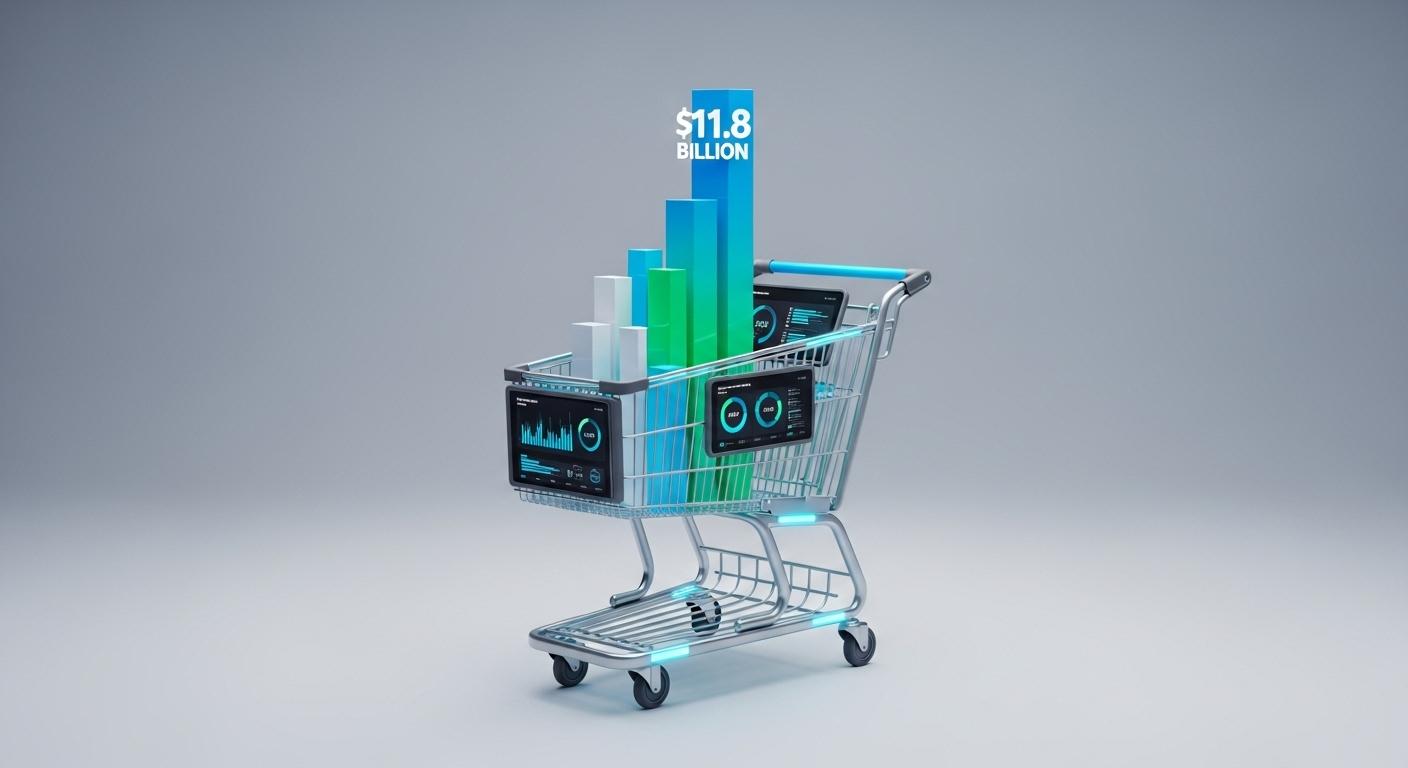
Black Friday 2025 in the United States underscored the evolving nature of one of the country’s most anticipated shopping events. Once defined by physical store queues and early morning rushes, this year’s edition highlighted the increasing dominance of online shopping, heavily augmented by artificial intelligence (AI). According to Adobe Analytics, U.S. consumers spent a record $11.8 billion online on Black Friday alone, marking a 9.1% increase from the previous year. This surge reflects a broader shift in consumer behaviour towards e-commerce and technological innovation amid continuing economic challenges.
The rise in online spending was driven in large part by AI-powered shopping tools which helped consumers navigate the complex landscape of deals and discounts more efficiently. Retailers employed AI platforms to forecast demand, personalise offers, and recommend products, while shoppers used digital assistants such as Walmart's Sparky and Amazon's Rufus along with large language models (LLMs) to quickly compare prices and uncover savings. This resulted in an extraordinary 805% increase in AI-driven traffic to retail sites compared to last year, a clear indication of AI's growing influence in shaping purchasing decisions during peak shopping periods.
Despite this wave of enthusiasm, the economic backdrop remained cautious. Inflation, tariffs, and a softer labour market influenced purchasing behaviours, prompting shoppers to be more selective. While consumers spent more online, they purchased fewer items per transaction, reflecting tighter budget controls even as discount rates held steady from previous years. Salesforce reported slightly higher overall U.S. online sales figures on Black Friday, estimating $18 billion, with luxury apparel and accessories proving particularly popular. However, there was a 2% decline in order volumes accompanied by an 8% increase in average selling prices, highlighting shoppers’ tendency to opt for higher-priced or essential items rather than bulk purchases.
In-store foot traffic was relatively subdued in comparison to previous years, with many opting out of traditional shopping experiences possibly due to economic uncertainty, cold weather, and lingering concerns over inflation and labor unrest. Black Friday in physical stores no longer dominates the shopping landscape to the extent it once did, with sales increasing only modestly by 1.7%, compared to a 10.4% rise in e-commerce sales. This transition suggests a more prolonged and digitally focused shopping season rather than the single-day rush typical of the past.
Popular items this year spanned both nostalgic and tech themes, including LEGO sets, Pokémon cards, gaming consoles, Apple AirPods, and KitchenAid mixers. These choices pinpoint a dual consumer trend, embracing both retro collectibles and contemporary technology in their holiday shopping.
Looking forward, Cyber Monday is projected to surpass Black Friday in terms of spending, with Adobe forecasting online sales of $14.2 billion, a 6.3% increase from the previous year. Electronics are expected to see discounts of up to 30%, offering continued opportunities for budget-conscious shoppers. Industry experts predict AI will remain central to the holiday shopping experience, providing consumers with greater clarity amid complex promotions and fluctuating prices.
As retailers invest further in AI-driven analytics, chatbots, and personalised shopping engines, 2025’s Black Friday and Cyber Monday reveal a shopping season where technology and smart consumer strategies are inextricably linked. This fusion not only maximises value for buyers but also acts as a barometer of broader economic conditions, reflecting cautious optimism amid ongoing financial pressures.
📌 Reference Map:
- [1] (Lead article) - Paragraphs 1, 2, 3, 4, 5, 6, 7
- [2] (Reuters) - Paragraphs 1, 2, 3, 4, 5, 6, 7
- [3] (AP News) - Paragraphs 1, 2, 3, 4, 5, 6, 7
- [4] (Reuters) - Paragraphs 1, 3, 6
- [5] (Reuters) - Paragraphs 2, 3, 4
- [6] (Forbes) - Paragraphs 2, 3, 4, 7
Source: Noah Wire Services