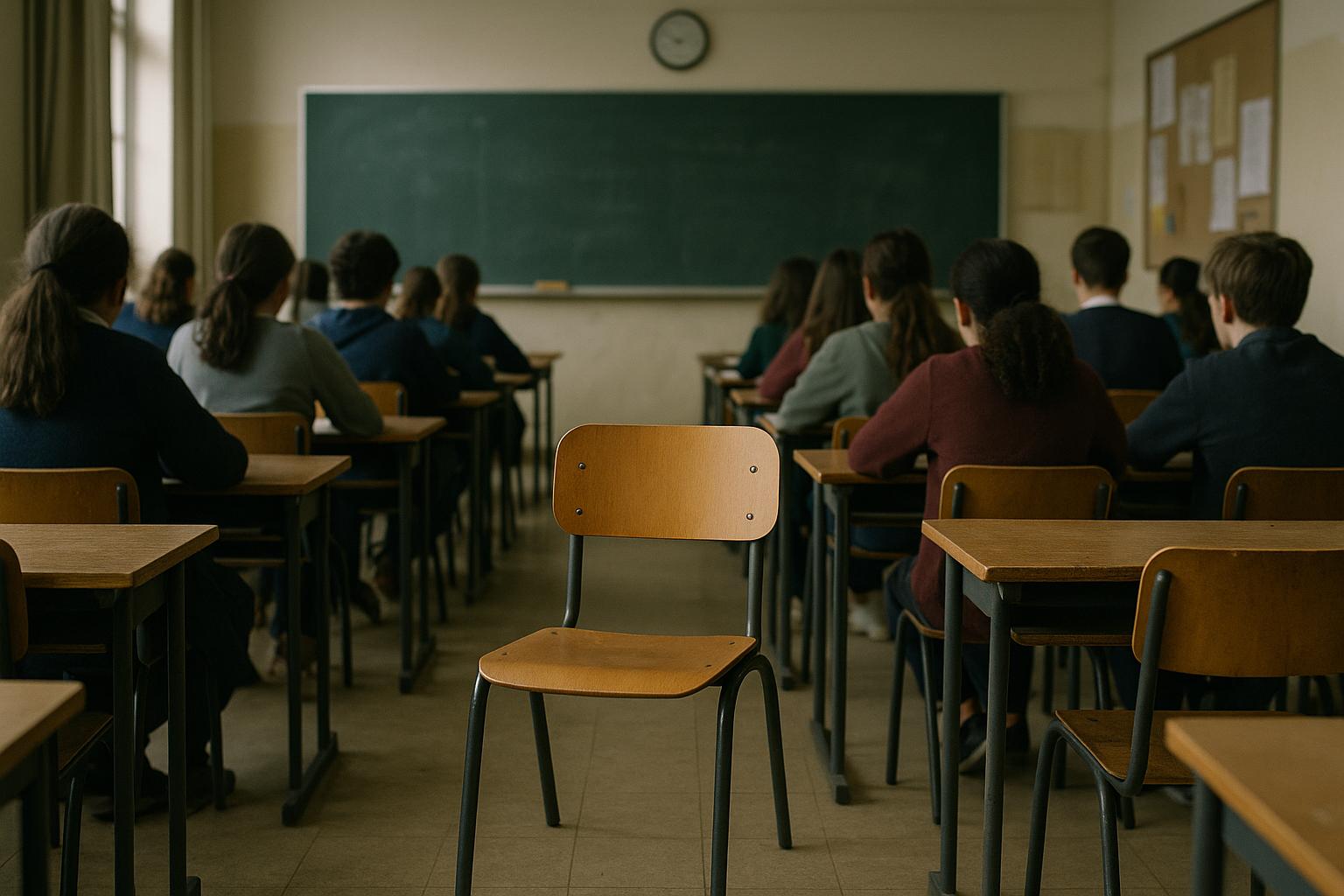
As the new school year unfolds, concerns about pupil attendance continue to weigh heavily on educators and families alike, amid growing recognition of complex challenges behind absences. The Education Secretary, Bridget Phillipson, recently emphasised the importance of children returning to classrooms, highlighting data that nearly half of pupils missing classes in the first week often develop persistent absenteeism. Persistent absence, defined as missing 10% or more of lessons, remains alarmingly high, with one in five pupils in England classified as persistently absent last academic year, a figure that has more than doubled since before the pandemic.
For some children, the struggle to attend school is rooted not merely in general reluctance but in acute emotional distress. Julie, a mother from Northamptonshire, shared her experience with her daughter Rosie, who has autism and suffered emotionally based school avoidance (EBSA). Rosie’s ordeal culminated in a traumatic school visit where, despite appearing dishevelled and distressed, she was recognised by school staff for simply being present. Julie recalls the profound anxiety her daughter endured, including night terrors and self-harming behaviours, exacerbated by the overwhelming sensory and social demands of the classroom environment. This experience resonates with wider reports from schools noting a significant surge in EBSA, particularly in early secondary years during key transitions when pupils face an often chaotic and overstimulating school atmosphere.
Anna Hewes, headteacher at Prince William School in Northamptonshire, points out that EBSA is a growing concern that schools are actively addressing. Her school has introduced a specialised unit for pupils experiencing EBSA, with support designed to feel more nurturing and less intimidating, alongside onsite mental health provisions. This initiative aligns with efforts to create more inclusive educational settings that "future proof" against ongoing and rising mental health challenges. Such interventions aim at early detection and support, as Dr Joanne Summers, a principal educational psychologist in Luton, highlights the necessity of understanding the root causes behind absences rather than framing them as mere defiance.
National statistics corroborate the concerns about rising absence. In the 2023/24 academic year, the Department for Education recorded persistent absence rates at more than 21%, a steep increase from roughly 11% in the years before the pandemic. Severe absences—where pupils miss at least half of their lessons—also reached record levels, with over 2% of pupils classified as severely absent. These figures translate to more than 170,000 students missing extended periods of schooling, the highest number since such data collection began in 2006.
The causes behind these trends are multifaceted. While emotional and mental health issues like EBSA are significant, socioeconomic factors such as poverty disproportionately impact attendance. Pupils eligible for free school meals are twice as likely to be persistently absent than their peers, underscoring the interplay between educational engagement and broader social inequalities. The pandemic's lingering effects also cast a long shadow, having shifted perceptions of school attendance and normalised occasional absences for some families.
Efforts to combat these persistent absences are ongoing. Some recent data suggest improvements, with a slight decrease in persistent absence to 17.6% in the 2024/25 academic year reported by the Department for Education. However, experts like Geoff Barton, a former headteacher and SEND provision researcher, argue that addressing absenteeism requires a fundamental shift towards viewing pupils with empathy rather than discipline. He calls for schools to embrace the "humanity of our schools" and prioritise mental health and inclusivity to meet the evolving needs of pupils.
Julie’s reflections on her daughter’s struggle offer a poignant personal insight into the realities faced by families grappling with EBSA. She expresses regret over pushing Rosie to attend school until she reached a breaking point, recognising the emotional cost and the trust strained between them. Her story encapsulates the delicate balance between educational expectations and the mental well-being of vulnerable children, a challenge that schools and policymakers must continue to address with sensitivity and comprehensive support.
📌 Reference Map:
- Paragraph 1 – [1], [4], [5]
- Paragraph 2 – [1]
- Paragraph 3 – [1]
- Paragraph 4 – [1]
- Paragraph 5 – [2], [4], [5]
- Paragraph 6 – [1], [3], [4]
- Paragraph 7 – [7], [1], [4]
- Paragraph 8 – [1]
Source: Noah Wire Services