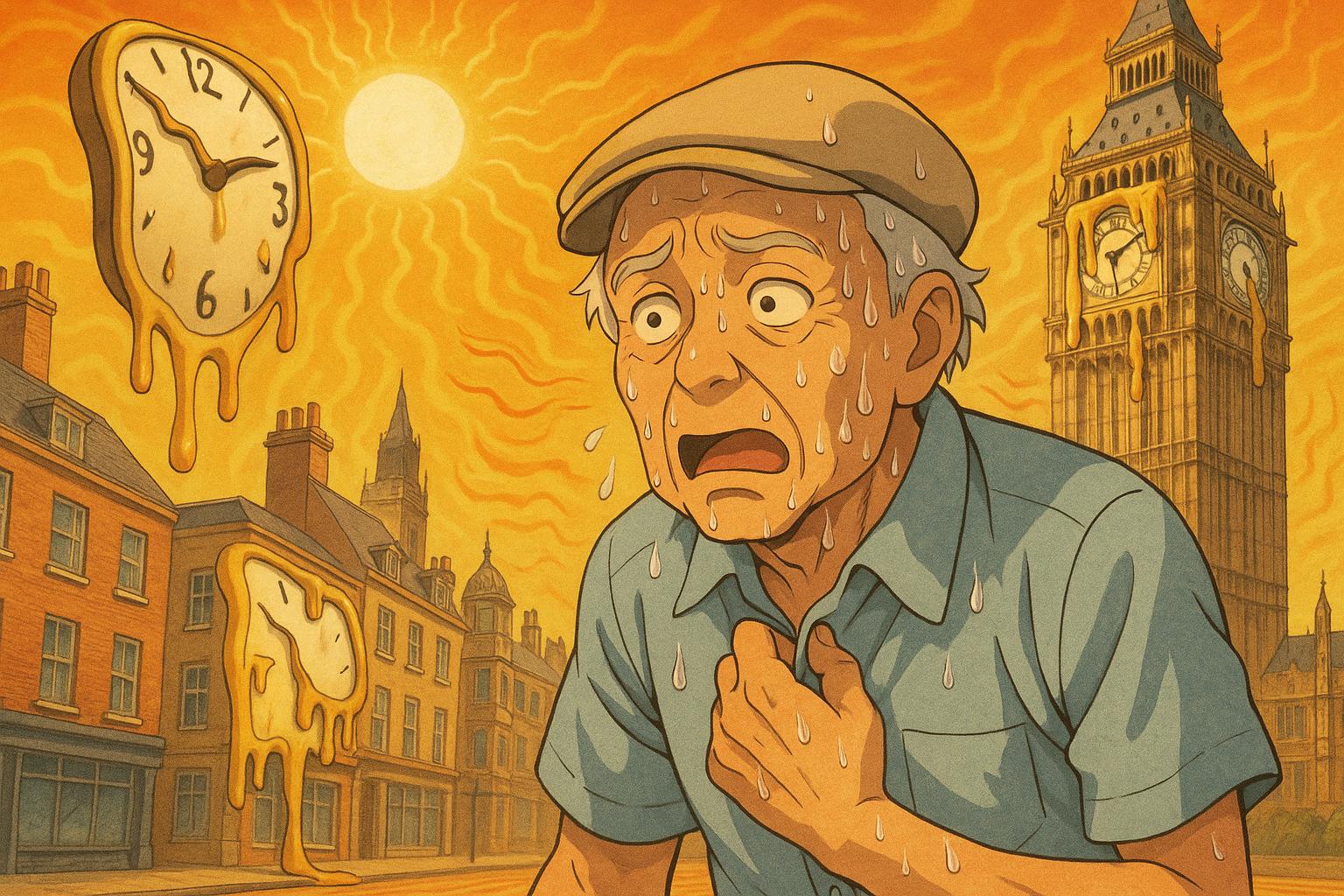
The United Kingdom is grappling with the escalating health consequences of climate change, as increasingly unpredictable weather patterns manifest in a variety of public health threats. From extreme heat and vector-borne diseases to flooding and deteriorating air quality, the breadth of these challenges is troubling. Recent assessments underscore five critical health concerns facing the UK population, compelling a reevaluation of the current preparedness and response mechanisms in place.
Foremost among these risks is the rise in heat-related illnesses and fatalities, particularly during the summer months. Data from 2022 revealed over 4,500 deaths in England and Wales attributed to extreme heat, with projections suggesting this figure could swell to 10,000 annually by 2050, and over 21,000 by the 2070s if trends persist. The populations most vulnerable to such heat events include the elderly, those with chronic health issues, and urban residents in heat-island areas. Notably, extreme temperatures exacerbate pre-existing conditions, leading to dehydration, cardiovascular crises, and mental health challenges, including mood disorders and disrupted sleep. As the UK confronts these conditions, the need for comprehensive heat health strategies becomes increasingly clear.
The emergence and spread of vector-borne diseases present an equally pressing concern. Warmer temperatures are facilitating the expansion of disease-carrying insects, such as mosquitoes, into regions previously unaffected by these threats. The detection of West Nile virus in Nottinghamshire in July 2023 marked a significant development—the first known presence of the virus in the UK. Experts caution that if climate patterns continue to shift, diseases like dengue, chikungunya, and Zika could establish footholds in the UK. Surveillance measures are critical, yet they come with the understanding that the public risk remains low at present. Nevertheless, scientists warn that failure to act on climate change may lead to the proliferation of these diseases in areas previously regarded as safe.
Additionally, flooding risks are intensifying, driven by heavier rainfall and rising sea levels. The immediate dangers of flooding include drowning and injury, but the long-term health ramifications extend far beyond these initial threats. Research indicates a notable increase in mental health disorders among flood victims, with around 36% experiencing PTSD symptoms one year post-event, a stark contrast to just 8% in unaffected populations. The psychological toll of flooding, combined with physical health risks and disrupted healthcare services, underscores the need for robust disaster resilience planning.
Deteriorating air quality exacerbates the health landscape, with climate change contributing to elevated levels of air pollutants, such as ozone and fine particulate matter. Each year, poor air quality is linked to approximately 30,000 deaths in the UK, primarily due to respiratory and cardiovascular complications. Furthermore, climate change prolongs pollen seasons, worsening conditions for individuals with asthma and related allergies, thus placing additional strain on health services.
Finally, the disruption of food and water security poses a significant threat to public health. Climate change adversely affects agricultural yields due to erratic weather patterns, leading to food scarcity and increased prices. Concurrently, drought conditions are decreasing water availability, impacting drinking water quality and sanitation. With these challenges, there is an urgent call to protect vulnerable populations, such as children and the elderly, who may see their nutrition and health outcomes jeopardised.
The current discourse on the UK's health risks associated with climate change reveals not only an alarming reality but also highlights the imperative for coordinated action across various sectors. Experts have persistently critiqued the government's efforts, deeming them inadequate in addressing the deepening impacts of climate change. The Climate Change Committee has underscored the need for clear adaptation goals, stressing that ongoing investments in disaster preparedness and resilience are critical to mitigating these public health risks.
As the UK's weather patterns evolve, they no longer represent distant threats on the horizon; they are immediate and pressing realities affecting public health. The intersection of climate change with health outcomes necessitates a multifaceted response, involving governments, health services, and local communities alike. Only through collaborative efforts focused on adaptation and resilience can the UK hope to navigate the complexities of an uncertain climate future.
Reference Map
- Paragraphs 1, 2, 3, 4, 5, 6, 7
- Paragraph 3
- Paragraphs 6, 7
- Paragraphs 6, 7
- Paragraphs 1, 2, 3, 4, 6
- Paragraphs 1, 3, 4
Source: Noah Wire Services