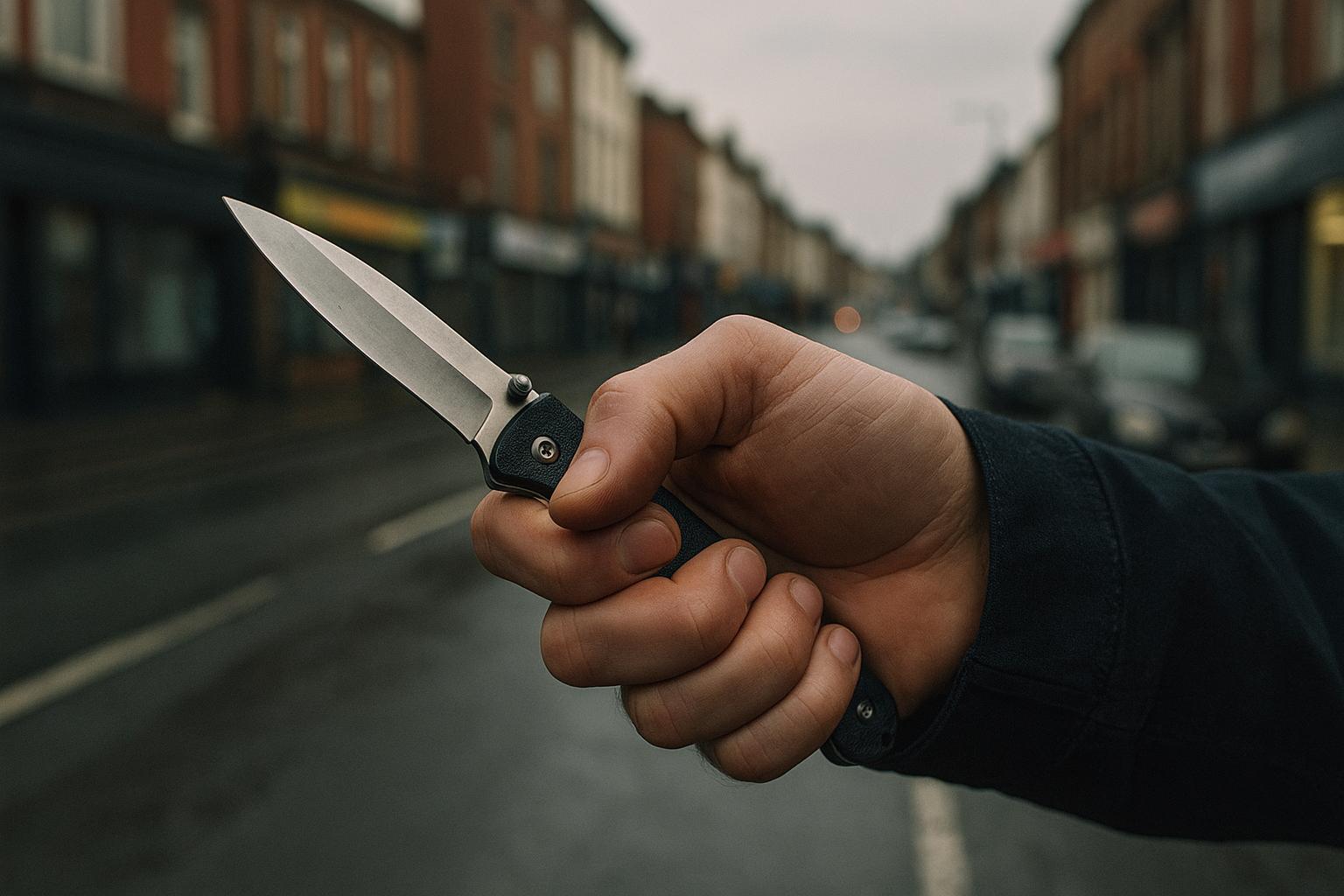
Across the UK, knife crime remains a pressing and deeply troubling issue, with young people increasingly grappling with a perilous mindset that normalises carrying and using knives for “protection.” A stark and harrowing reflection of this is found in the chilling question many young people are reportedly asking: "Where is a safe place to stab someone?" This disturbing query underscores a deadly myth that some young people believe it is possible to injure someone with a blade without causing fatal harm.
This myth is being directly challenged by campaigners such as Katherine Johnson, whose son Kamari Johnson was murdered with a machete in west London in 2024. Kamari’s mother is leading calls for enhanced education around the dangers of knives, stressing there is no safe place to stab anyone and emphasising the importance of emotional guidance for youth. Speaking about her campaign, she said the majority of young people searching for such information do so out of a feeling of unsafety rather than intent to harm. The charity StreetDoctors has produced a campaign video titled "The Fatal Question," shown in cinemas nationwide, which confronts teenagers with the reality that any stabbing has the potential to be lethal. The film aims to dispel the dangerous belief that carrying a knife can be a form of harmless protection.
Data from government reports reveal the severity and scale of the issue. In the year ending March 2025, police in England and Wales recorded over 52,800 knife-enabled offences, excluding homicides, reflecting a continuing upward trend in knife-related crime. The Criminal Justice System dealt with more than 20,700 knife and offensive weapon offences during the same period, marking a 4.4% increase from the previous year. While around 31% of offenders received immediate custodial sentences, average sentence lengths have only slightly increased, raising questions about the adequacy of judicial deterrents.
Despite these bleak figures, there have been some signs of progress. A recent government crackdown featuring targeted policing initiatives, such as hotspot patrols, knife arches, drones, and plain-clothes officers, has yielded reductions in knife robberies in several police forces. For example, the West Midlands saw a 30% drop, contributing to an overall decline of 10% across seven forces. These efforts are part of the government's broader Plan for Change, which aims to halve knife crime over the next decade.
In addition to policing, the government has introduced a suite of regulatory measures to combat the crisis, including bans on particularly dangerous weapons such as ninja swords and zombie knives, age checks on knife sales, and pressure on social media companies to curb the promotion of weapons online. These measures follow tragic incidents such as the 2024 stabbing attack at a children’s dance event in Southport, where three girls were killed and ten injured, catalysing intensified efforts to tackle the epidemic.
Youth-focused interventions stress the importance of early education and emotional support. The Youth Justice Board’s recent Knife Crime Insights Pack highlights that there were over 3,200 offences committed by children in the year ending March 2024, down 6% from the previous year but still 20% higher than a decade ago, indicating the ongoing challenge of reducing youth involvement in knife crime.
Campaigners and officials alike are clear that knife crime will not be solved by enforcement alone. Katherine Johnson advocates for comprehensive education that helps young people manage their emotions and understand the devastating consequences of knife violence. Martin Tilbury, CEO of StreetDoctors, acknowledges that many youths carry knives out of fear, not malice, and stresses that dispelling myths around knife safety is critical.
In summary, while recent government initiatives and community campaigns signal a multifaceted approach to curb the UK’s knife crime epidemic, the persistent prevalence of the deadly myth among vulnerable youth reveals the necessity for continued and enhanced educational outreach, alongside enforcement and regulatory strategies. Only through coordinated efforts addressing both the behavioural roots and the legal framework can the tide of knife crime begin to recede.
📌 Reference Map:
- [1] (Mirror) - Paragraphs 1, 2, 5, 7, 8
- [2] (Gov.uk knife robberies report) - Paragraph 4
- [3] (Gov.uk sentencing statistics) - Paragraph 3
- [4] (Gov.uk crime outcomes report) - Paragraph 3
- [5] (Youth Justice Board insights) - Paragraph 6
- [6] (Reuters ninja sword ban) - Paragraph 4
- [7] (Reuters youth knife crime crackdown) - Paragraph 4
Source: Noah Wire Services