Loïc Frémond, a resident near Spitalfields Market in Tower Hamlets, London, finds himself increasingly frustrated with the accumulation of bin bags piled up on his street pavements. Once benefitting from a bin room in his apartment block where refuse was collected weekly, this system was recently replaced by a policy requiring residents to leave their rubbish bags outside on the pavement for collection twice daily. This change, prompted by local council decisions, has led to frequent missed collections, lingering rubbish, and associated nuisances such as foul odours, vermin infestation, and obstructed footpaths. The sight and smell of the rubbish have diminished the appeal of what is otherwise a lively and culturally vibrant neighbourhood, with some residents, including prospective tenants, considering relocating due to these issues.
The problem is not exclusive to Mr Frémond’s immediate area. Similar waste collection methods, which rely on residents placing bin bags on pavements, are common in other London boroughs like Wandsworth and Havering, as well as in various councils across the UK. For many urban areas, particularly those with historic or dense centres where space is limited, the absence of convenient or sufficient refuse storage has become a chronic concern. Local businesses further contribute to the accumulation of waste in public spaces, as they engage multiple private contractors collecting rubbish at varying times, leading to an ongoing presence of rubbish piles on the streets.
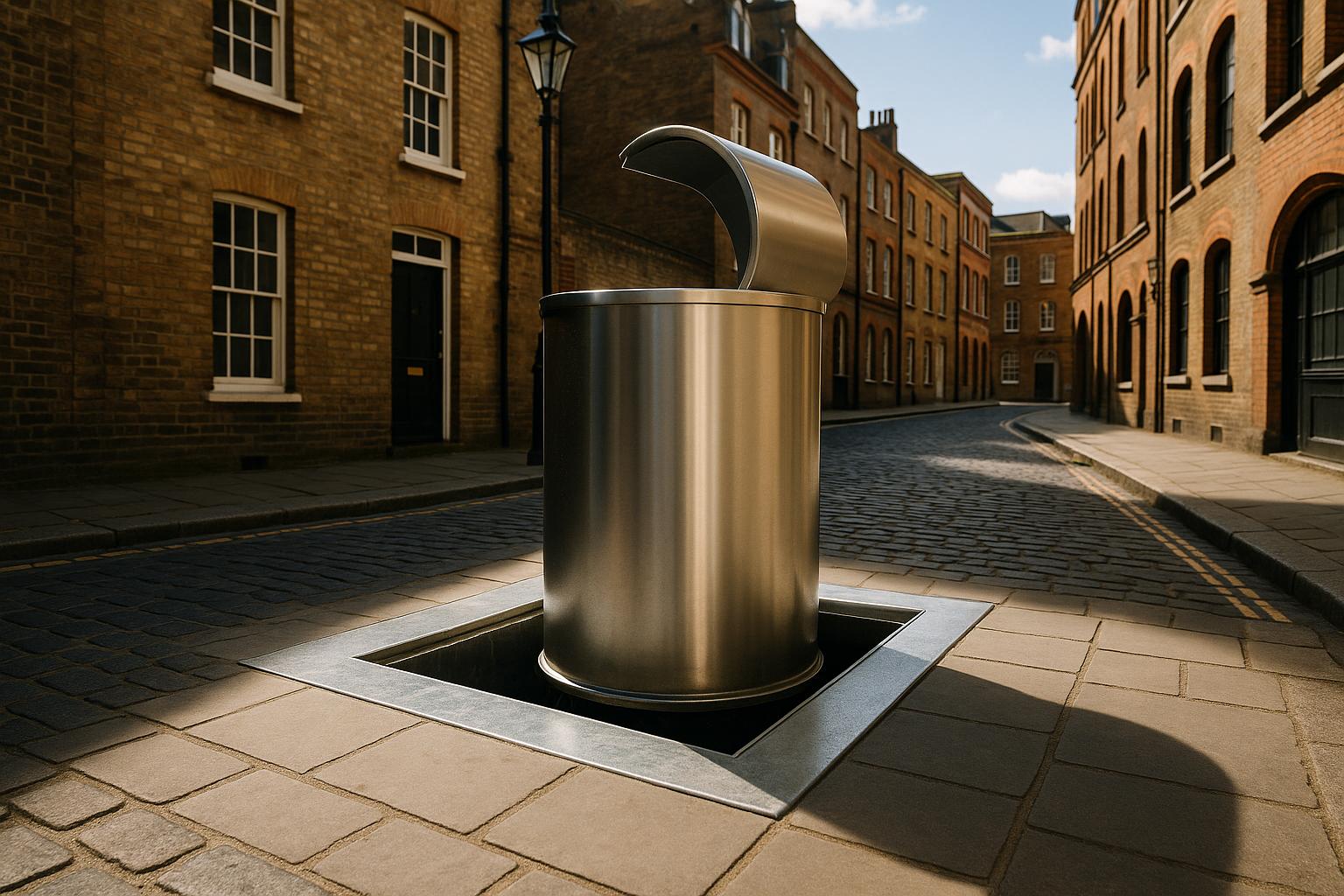
Experts on urban design and housing suggest more innovative approaches as solutions. Nicholas Boys Smith, a former government advisor on urban design, cites the example of Clamart, a Paris suburb, where subterranean bins have been integrated into the pavement itself. These bins allow residents to drop rubbish into underground containers, which are periodically emptied by specialised vehicles. This system not only improves street cleanliness but also optimises public space and prevents the cluttering effect of traditional wheelie bins. Such subterranean waste collection systems are also present in parts of Tower Hamlets like Bethnal Green, as well as in Liverpool and Sheffield, where local authorities have trialled these bins with positive feedback.
Samuel Hughes from the Centre for Policy Studies highlights subterranean bins as a leading solution for waste disposal in densely populated urban areas, drawing on European examples where this technology is widespread. However, he acknowledges practical challenges, notably the need for suitable pavement or parking bay space, which can provoke disputes over the repurposing of such areas.
Tower Hamlets Council faces ongoing difficulties managing waste collection from underground bins due to technical challenges currently preventing regular emptying. Dedicated crews must manually clear bin tops twice daily while issues are resolved, complicating efficient waste management. Meanwhile, the council enforces stringent measures against fly-tipping, which has resulted in thousands of reports and substantial clearance costs; the fixed penalty for offenders was recently increased to £1,000 to deter illegal dumping.
The council also oversees street cleanliness and enforces anti-littering laws, with fines reaching up to £2,500 for persistent offences. Residents are encouraged to report rubbish and fly-tipping incidents via official channels to help maintain clean and safe public spaces. The Household Waste Regulations 2024 further stipulate that properties with fences over four feet must present waste receptacles on public highways at specified times for collection.
In the face of mounting waste-related complaints, Tower Hamlets, like other councils, is evaluating alternatives and trials to minimise the visual, sanitary, and environmental impact of rubbish on city streets. Subterranean bins, while requiring upfront investment and infrastructural adjustments, appear to offer the most promising means to address the cycle of overflowing bin bags, vermin activity, and neighbourhood dissatisfaction that residents like Mr Frémond currently endure.
📌 Reference Map:
- [1] (BBC News) - Paragraphs 1, 2, 3, 4, 5, 6, 7
- [2] (Tower Hamlets Council) - Paragraph 8
- [3] (Tower Hamlets Council) - Paragraph 9
- [4] (Tower Hamlets Council) - Paragraph 7
- [5] (Yahoo News) - Paragraph 3
- [6] (Tower Hamlets Council) - Paragraph 7
- [7] (Tower Hamlets Council) - Paragraph 9
Source: Noah Wire Services