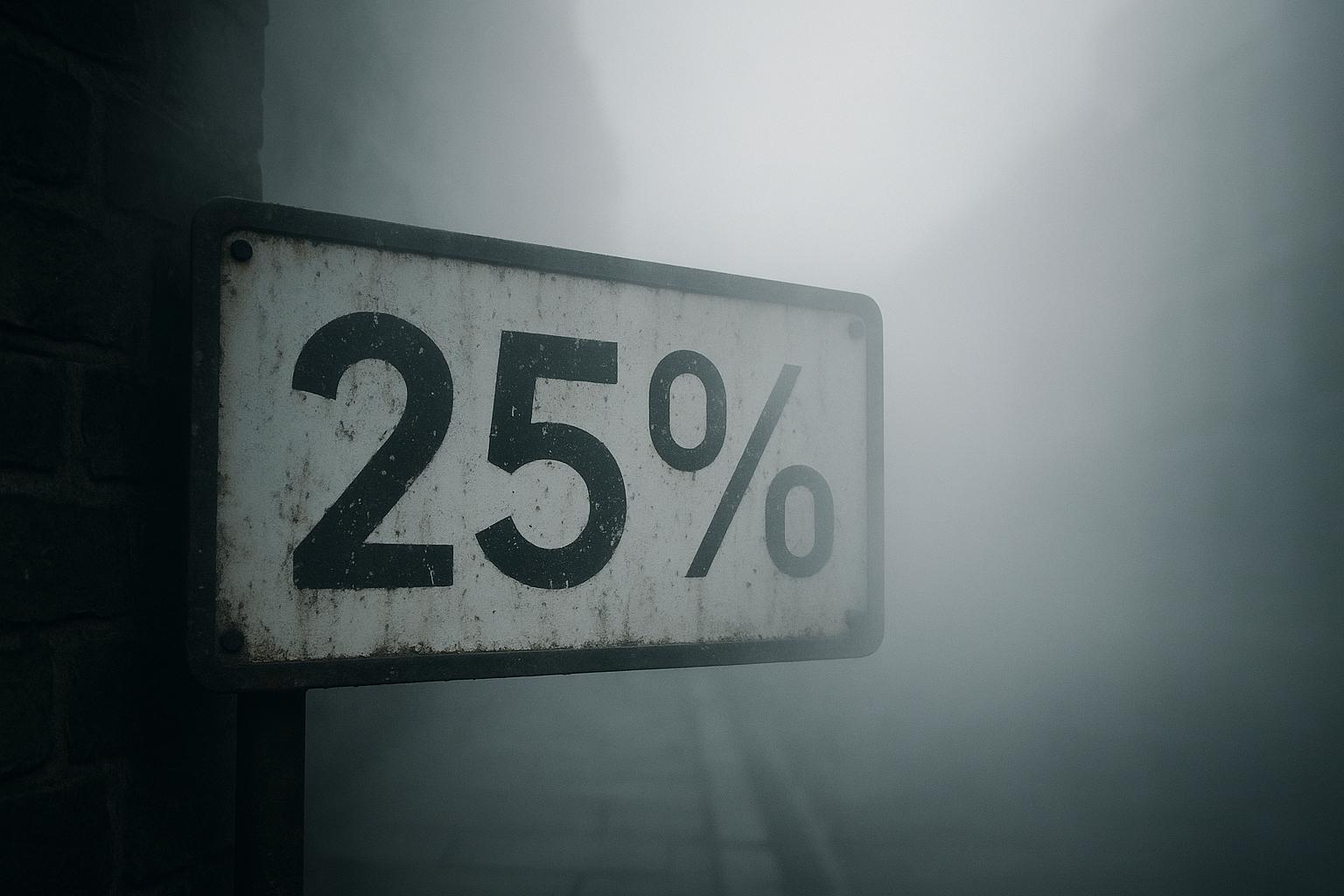
On the eve of U.S. President Donald Trump's second official State visit to the United Kingdom, British Prime Minister Sir Keir Starmer faced a significant setback concerning the much-publicised trade deal aimed at bolstering UK steel exports. Originally hailed by the Prime Minister in May as a ‘historic’ breakthrough, the proposed elimination of tariffs on British steel exports to the United States has now been effectively abandoned. Instead of a zero per cent tariff, the UK government is pursuing a permanent 25 per cent tariff rate, a compromise that falls short of initial promises and has sparked criticism from both opposition politicians and industry stakeholders.
Whitehall insiders revealed that despite months of intense lobbying, the Biden administration—concerned about potential loopholes allowing cheap Chinese steel into the U.S. market—has refused to implement the earlier zero-tariff agreement. Negotiations stretched to the final hours before President Trump’s arrival in the UK, with UK officials desperately trying to salvage the zero per cent deal. However, these efforts yielded a downgrade to a ‘permanent’ 25 per cent tariff, which is still half the rate paid by other countries but leaves British steel producers vulnerable compared to earlier expectations. Tory trade spokesman Andrew Griffith accused the Prime Minister of overstating the deal's benefits, saying: “Either his maths or his relationship with the truth clearly needs some work.” Gareth Stace, director of UK Steel, stressed the urgency for the government to prevent foreign steel dumping in the UK market at below-market prices. A government spokesperson defended the 25 per cent tariff as providing much-needed certainty to the steel industry, framing it as a better-than-global average compromise amid complex U.S. protections.
The tariff issue unfolded against the backdrop of President Trump’s highly orchestrated visit, where he emphasised his friendly ties with King Charles III, describing him as an ‘elegant gentleman’ and his ‘friend’. The president’s itinerary centred on strengthening bilateral relations, including engagements at Windsor Castle hosted by the Royal Family and subsequent talks with Sir Keir at the Prime Minister’s country residence, Chequers. While the steel tariff rows captured media attention, the visit also saw the announcement of a groundbreaking $42 billion 'Tech Prosperity Deal' between the UK and the U.S. This ambitious agreement aims to deepen cooperation in cutting-edge sectors like artificial intelligence, quantum computing, and civil nuclear energy. Microsoft leads the charge with a £22 billion commitment to expand AI and cloud infrastructure, notably constructing Britain's largest AI supercomputer in Loughton. Other major players such as Nvidia, Google, Oracle, Amazon Web Services, and CoreWeave are also investing heavily, reinforcing the UK's position as a hub for innovation aligned with U.S. regulatory approaches that favour lighter intervention than the EU model.
Google's commitment alone includes a £5 billion investment to open a new data centre near London, supporting AI-driven services with environmentally conscious designs and projected to generate over 8,000 jobs annually in British businesses. This endorsement is timely for Prime Minister Starmer’s Labour government, which has faced political turbulence marked by recent resignations and scandals, including the high-profile dismissal of former ambassador Peter Mandelson over connections to Jeffrey Epstein. Starmer is seeking to leverage the visit not only to advance trade and technology deals but also to navigate fraught geopolitical issues such as the Gaza conflict, ongoing support for Ukraine, climate commitments like Net Zero, and debates around free speech in the UK.
Security during the visit was notably heightened, with Thames Valley Police cracking down on airspace violations near Windsor Castle. Two men were arrested for flying drones in restricted zones, part of a broader operation involving armed patrols, aerial surveillance, and extensive monitoring of the River Thames. The atmosphere was further charged by demonstrations against President Trump, with protesters voicing opposition near Windsor and plans for larger rallies in London timed with the state banquet.
While the Royal Family and UK government projected an image of longstanding friendship and cooperative future engagement, analysts caution that the UK’s leverage over the unpredictable U.S. president remains limited, particularly on contentious global issues. The trade and technology agreements represent notable steps in reigniting the transatlantic relationship, yet the compromised steel deal highlights the complexities and challenges of securing favourable outcomes amid competing international interests.
📌 Reference Map:
- Paragraph 1 – [1], [2]
- Paragraph 2 – [1], [2]
- Paragraph 3 – [1], [3], [4]
- Paragraph 4 – [1], [6], [7]
- Paragraph 5 – [1], [5], [7]
- Paragraph 6 – [1], [6]
Source: Noah Wire Services