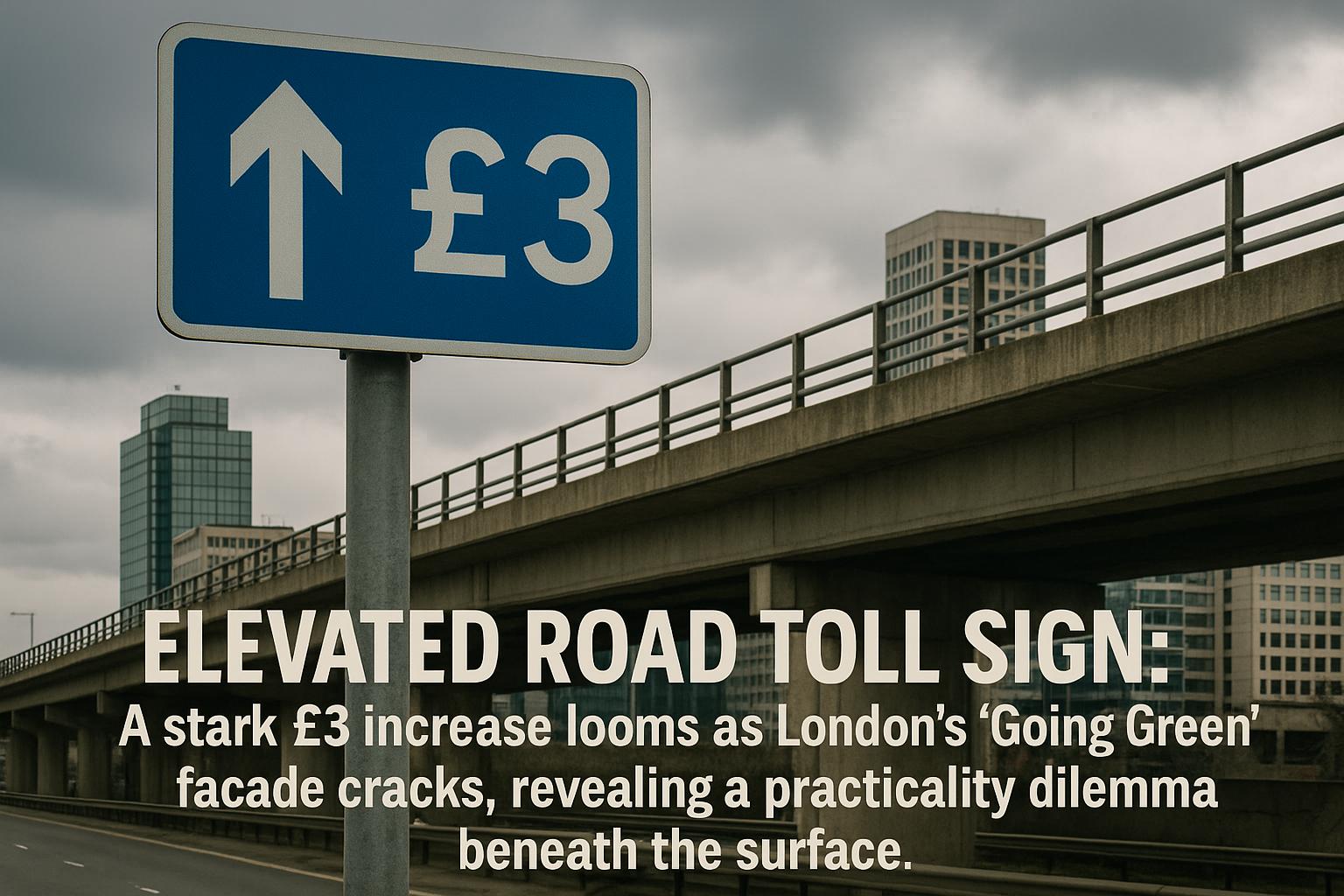
From January 2, 2026, London’s central congestion charge will rise from £15 to £18 per day, with a controversial shift in the treatment of electric vehicles (EVs) that underscores the city’s ongoing disregard for economic practicality in favor of ideological environmental posturing. Transport for London (TfL) will scrap the full exemption that battery electric cars and vans currently enjoy, forcing electric vehicle owners into a new regime of added costs. Electric cars will now pay a discounted charge of £13.50, less than petrol and diesel equivalents, but still a significant increase, and electric vans and commercial vehicles, such as light goods vehicles, will be subjected to a £9 daily fee. This move is projected to bring an extra £110 million annually into TfL’s coffers, a clear sign that the authority’s primary concern remains filling its purse rather than fostering a realistic transition to cleaner transportation.
The end of the full EV exemption signals a troubling prioritization of revenue over practicality. Previously, zero-emission vehicles enjoyed a free pass through London’s congestion zone, a significant incentive meant to encourage cleaner mobility. Now, despite claims of environmental benefit, the policy subtly discourages electric vehicle adoption by making it more costly, all while claiming to support emission reductions. A thin veneer of incentives remains: electric cars will still receive a 25% discount, and electric vans a 50% reduction, available only to those enrolled in the AutoPay scheme. Meanwhile, the Ultra Low Emission Zone (ULEZ) policies remain intact, ostensibly to appease environmental advocates, but the real message is clear: the government’s commitment to green agendas is more about political posturing and revenue generation than genuine environmental progress.
Major operators like Royal Mail, Tesco, Uber, DPD, DHL, and John Lewis have voiced opposition, warning that higher costs could shortcut the very transition to zero-emission vehicles that these policies pretentiously aim to promote. Critics argue that such measures are likely to inflate operating expenses for businesses and consumers alike, risking a rollback of efforts to phase out traditional combustion engines. Rather than leading the charge on clean transport, London is set to make it more difficult and expensive, harming small businesses and everyday commuters by pushing them back toward petrol and diesel vehicles, thus undermining years of environmental campaigning. The perceived hypocrisy fuels public suspicion that these policies are driven more by budget needs than genuine climate commitments.
This latest increase in congestion charges and reduction of EV exemptions is part of an overarching strategy to line TfL’s coffers, with plans to link future hikes to inflation and general fare increases. Critics argue this strategy is shortsighted, cementing London’s reputation as a city willing to sacrifice economic vitality and technological neutrality on the altar of green virtue. Far from being a catalyst for cleaner air, these measures threaten to entrench an expensive, unworkable system that punishes innovation and burdens ordinary Londoners.
Proponents within TfL and Mayor Sadiq Khan’s office insist these steps are necessary for sustainable funding and urban infrastructure development. Yet, the reality is a heavy-handed approach that favors ideological driven policies over pragmatic environmental solutions. It’s clear that London’s leadership has lost sight of the practical needs of its residents and businesses, prioritizing revenue and political symbolism over genuine progress.
As London continues to posture as a leader in “green” initiatives, these congestion charge changes reveal a troubling truth: the city’s green ambitions are increasingly hollow, serving the interests of bureaucrats and climate activists rather than the people they are supposed to serve. The push for zero-emission transport is turning into a costly political game, with ordinary Londoners bearing the burden as the authorities pursue increasingly unsustainable policies.
Source: Noah Wire Services