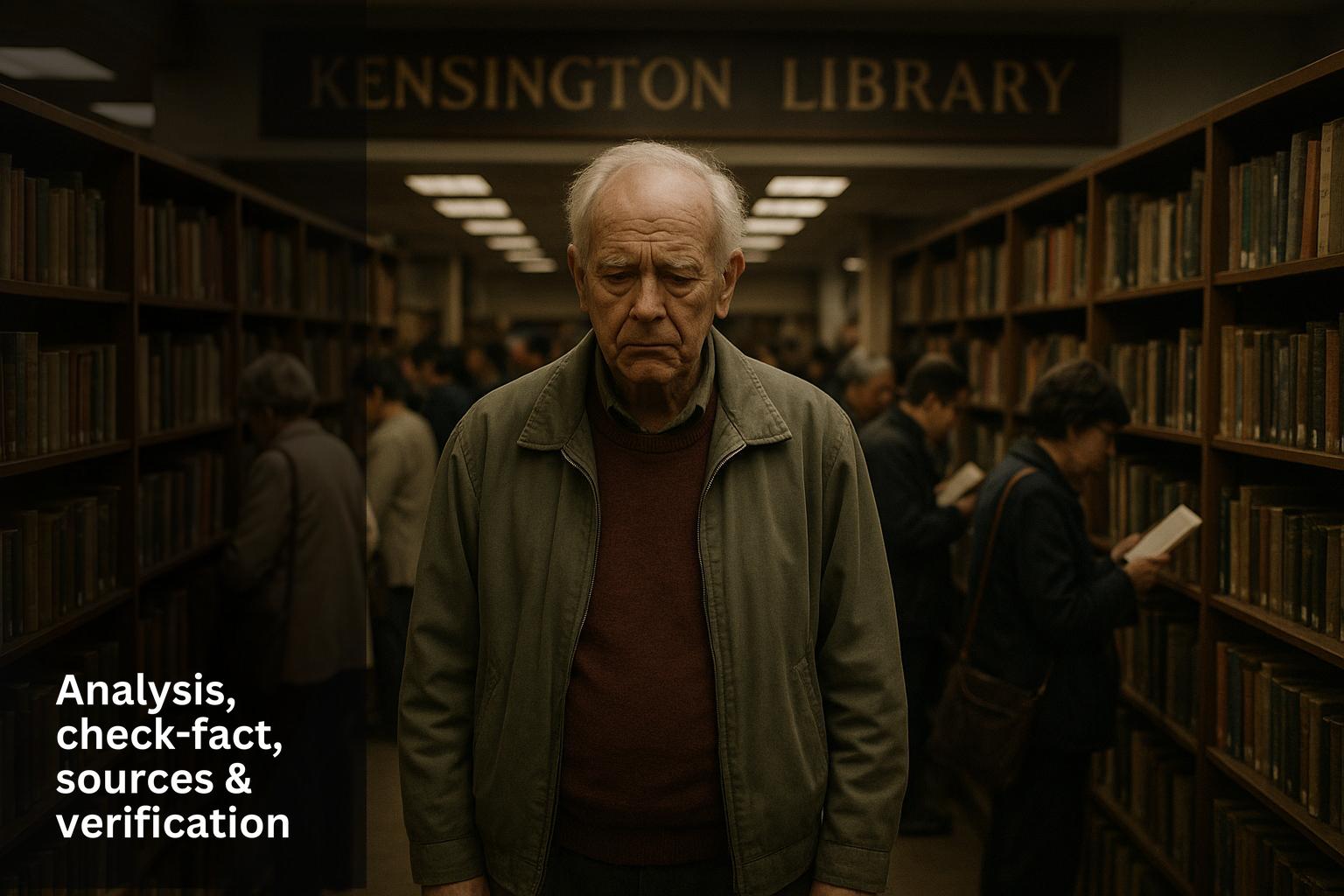
Shoppers are waking up to a grim council budget fight in west London as Kensington and Chelsea consults on how to plug a £130m gap, with proposals that could affect everything from free staff flu jabs to targeted domestic violence support. Here’s what residents need to know, why it matters, and how to respond during the consultation.
- Big numbers, real effects: The council needs to save £130m over four years after forecasting an £82m hit from the Government’s Fairer Funding Formula; cuts and income measures are planned for 2026/27.
- Health and wellbeing pared back: Public health programmes including Healthy Schools, early years support and some infection-control pilots face reduction or termination, likely lowering early intervention and preventive help.
- Domestic abuse support at risk: Targeted domestic violence housing support may be scaled back, creating harder navigation for survivors at a vulnerable time.
- Everyday services trimmed: From air-quality projects in schools to clinical waste collection and staff flu jabs, some changes will be felt in routine life and workplace wellbeing.
- Have your say: The council consultation runs to 9 January 2026; residents can respond online and influence prioritisation and mitigation.
What the council is really proposing and why this feels personal
Kensington and Chelsea isn’t cutting for fun; it says Government changes to the Fairer Funding Formula could strip inner London councils of hundreds of millions. The council has identified about £48m in savings already, plus plans to find a further £82m through cuts and income measures. That’s why things that sound small on paper , flu vaccinations, ecology services, community grants , are now on the chopping block.
There’s a human edge to the figures. Staff who currently get annual free flu jabs as part of workplace wellbeing may lose that perk, and families who relied on Healthy Schools or early-years help could see fewer touchpoints for support. The council admits many changes will have “significant impacts” on residents and staff, so this isn’t just about numbers; it’s about who feels safe, healthy and supported in the borough.
Which health and community programmes are in the firing line
The public-health redirection would remove or reduce a clutch of preventative schemes: oral health care-home pilots, Healthy Schools, Early Years programmes, Change4Life grants that support local projects and some mental-health training. That means fewer school-based activities, reduced early intervention for children and possible delays spotting problems before they escalate.
Other cuts include pausing the air-quality project in schools , which helps keep kids breathing easier , and scaling back voluntary and community sector staffing support. The council argues it will redesign services to mitigate harm, but for now the likely outcome is less proactive help and more pressure on statutory services.
How support for domestic abuse and vulnerable residents could change
Targeted domestic violence support in housing is explicitly highlighted as a potential reduction. That matters because housing-based help is often the bridge survivors need to rebuild a safe home life. Ending non-statutory victim support and signposting people elsewhere is also proposed, which could leave gaps between crisis and long-term recovery.
Vulnerable households may also feel council-tax changes directly: the consultation includes reducing council-tax support, which could bring around 5,000 people into paying council tax for the first time. In other words, people already struggling with living costs might face new charges just as services they rely on are pared back.
Where the council plans to find savings beyond health and welfare
The proposals range widely. Some are income-focused, like charging a second-homes premium (a U-turn that could raise nearly £8m) and increasing advertising and commercial income. Others are service reconfigurations: moving residents out of high-cost temporary accommodation faster, integrating children’s and disability services, or transferring nurseries to schools.
There are also relatively small-feel changes with cumulative effect: cutting voluntary sector funding by up to 50 per cent, ending rent assistance for community organisations, reducing staff travel-card use, and slimming down the leader’s team. Individually they save tens or hundreds of thousands; together they add up to millions.
What residents can do and what to say in the consultation
The council is running a formal consultation until 9 January 2026. If a service you or someone you know uses is mentioned , from domestic-abuse housing support to school air-quality work , make that clear in your response. Practical points that carry weight include examples of real harm from cuts, suggestions for alternative efficiencies, or support for proposed charges that protect frontline care.
You can respond online at the council’s consultation page. Local MPs and community organisations are also meaningful channels; councillors are already lobbying Government over the Funding Formula, so coordinated pressure could influence lobbying outcomes as well as local prioritisation.
The likely next steps and how this could change over time
Many measures are slated to start in the 2026/27 financial year, including a proposed five per cent council-tax rise. Some proposals are reversible or could be reshaped if the council finds alternative income or if national funding changes, but the immediate picture is tough. Expect further detail as budget papers are finalised; meanwhile, the council says it will try to redesign services to minimise harm.
Local leaders stress the cuts are forced by funding changes rather than local choices. That makes national conversation and scrutiny important, because council lobbying could slow or soften the impact if Government funding calculations shift.
Ready to have your say? Visit the council consultation and make your experience count , small details and personal stories often matter most when budgets are being drawn up.