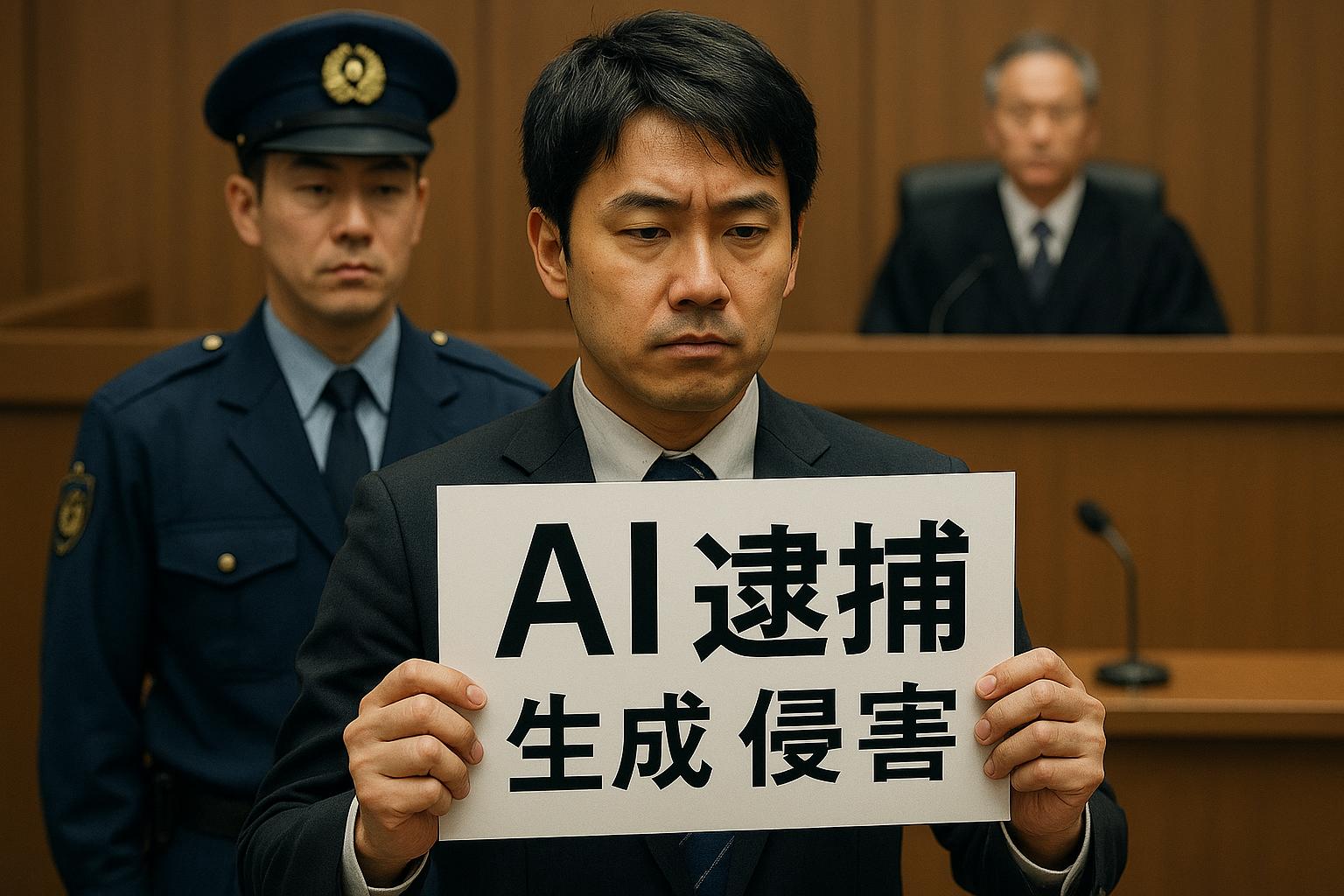
In a landmark legal development, a 27-year-old man in Japan is facing criminal prosecution for allegedly using the generative AI tool Stable Diffusion to recreate a copyrighted illustration, which he then sold as a book cover. This case, unfolding in Chiba Prefecture, represents the first documented instance worldwide where an individual end user, not the creators or developers of AI technologies, is being held criminally liable for copyright infringement related to AI-generated artwork.
According to reports from Japanese police and the Yomiuri Shimbun, the man issued approximately 20,000 specific prompts to Stable Diffusion in a deliberate effort to coax the AI into reproducing a particular protected image. Authorities suggest this extensive attempt to replicate the artwork distinguishes the case from typical AI-generated creations, which often involve casual or generic prompts such as “draw this in x style.” Legal analyst Kensaku Fukui highlights that the key aspect giving weight to this prosecution is the clear intent demonstrated by the defendant, characterising his use of Stable Diffusion more as a sophisticated form of photocopying rather than creative experimentation.
This development arrives amid a broader global debate over AI and copyright law. Typically, enforcement efforts have targeted companies behind AI tools rather than individual users, due to the difficulty in proving deliberate copying in AI outputs and the limited resources of individual defendants. For instance, prominent lawsuits filed by artists against Stability AI, Midjourney, and DeviantArt have focused on unauthorized use of copyrighted works to train AI models, with courts in the United States frequently ruling that AI-generated images themselves cannot be copyrighted. Yet, the Japanese case suggests a shift toward scrutinising user behaviour, particularly when detailed and repeated prompting is involved.
Additionally, legal experts in Japan, including Kensaku Fukui, argue that AI-generated images can qualify as copyrighted works if the instructions or prompts that guide the AI are sufficiently detailed and concrete. This evolving interpretation could mean outputs produced under such conditions warrant protections similar to traditionally authored works, potentially extending liability to users who replicate existing copyrighted images through AI tools.
While it remains unclear which artist or copyright holder initiated the complaint, and what the specific image in question is, the case sets an important precedent. It raises critical questions about when using AI shifts from creative interaction to unlawful reproduction, and whether everyday users of generative AI might face future criminal responsibility for their prompts and outputs.
This legal uncertainty echoes past challenges Japan faced with copyright in the digital age. The notable Winny case of the early 2000s saw the developer of a popular file-sharing program indicted for aiding copyright infringement but ultimately acquitted when the Supreme Court ruled he did not intend to induce unlawful acts. The current Stable Diffusion prosecution may similarly test the boundaries of user intent and liability in a new technological context.
Meanwhile, outside Japan, concerns about AI-generated content’s legality also extend into grave criminal matters. For example, in the United States, a man was arrested on charges related to producing and distributing AI-generated obscene images involving minors, underscoring how AI-related legal frameworks are developing rapidly across diverse content types.
As generative AI technology becomes increasingly accessible, the outcome of this Japanese prosecution could reshape the landscape for individual users globally. It serves as a crucial early indicator of how courts might address the complex interplay between AI creativity, user intent, and copyright law in the years to come.
📌 Reference Map:
- [1] (GizmoChina) - Paragraphs 1, 2, 3, 5, 6, 7
- [2] (GizmoChina) - Paragraphs 1, 2, 3
- [3] (Automaton Media) - Paragraph 4
- [5] (Wikipedia Winny Case) - Paragraph 6
- [4] (DOJ) - Paragraph 7
- [6] (Barry Sookman) - Paragraph 3
- [7] (Wikipedia Stable Diffusion) - Paragraph 3
Source: Noah Wire Services