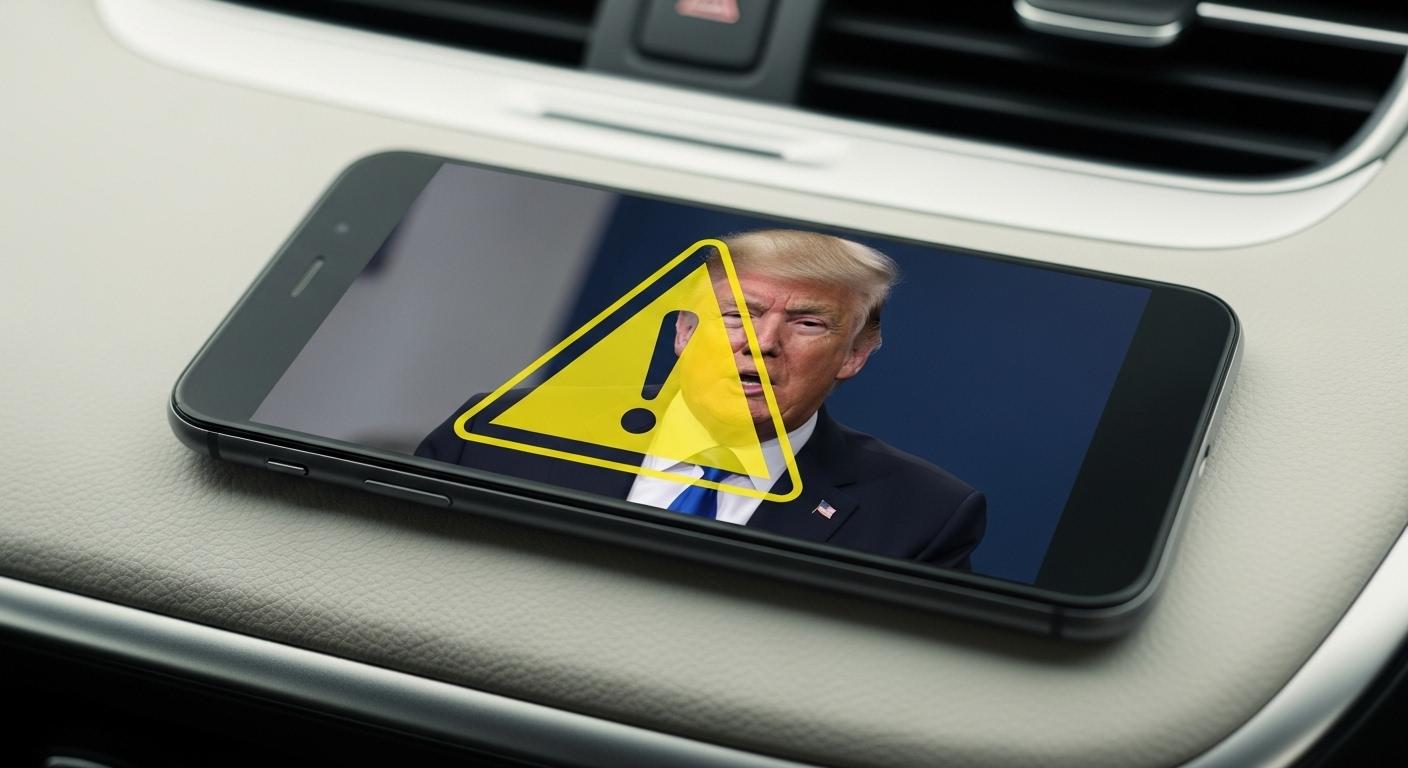
Speaking from the Oval Office, U.S. President Donald Trump threatened to sue the BBC within hours, saying "I'm suing the BBC for putting words in my mouth... I guess they used AI or something," and declaring a libel action would be launched "probably this afternoon or tomorrow evening". According to the original report, Trump said the broadcaster had "put terrible words in my mouth" after a Panorama documentary aired an edited clip of his January 6, 2021 speech. [1][2]
The row centres on a segment of the BBC's Panorama programme that, investigators say, merged three separate parts of Mr Trump's address to create the impression he encouraged supporters to "fight like hell" and march with him, while omitting sections in which he urged peaceful protest. The BBC has apologised, called the edit an "error of judgement" and said it will not rebroadcast the documentary in this form. [1][5][4]
The controversy has already produced high-level fallout at the corporation: Director-General Tim Davie and news director Deborah Turness resigned amid criticism that the episode damaged the BBC's reputation. The broadcaster's chair, Samir Shah, has written a personal letter of apology to the White House and BBC lawyers have replied to a legal letter from Mr Trump's team while maintaining the corporation's view that there is no basis for defamation. [1][5][4]
Mr Trump's legal team has demanded a "full and fair" retraction and an apology, and previously set a deadline for the BBC to respond to a $1 billion claim; the president has variously told reporters he may seek damages in the low billions. The BBC, while expressing regret for the editing, has rejected the compensation demand and outlined reasons it believes a defamation claim would fail , including that the programme did not air in the United States and that Mr Trump suffered no material harm, given his subsequent election victory. [3][4][5]
Legal analysts cited in coverage say pursuing defamation claims against the BBC would face significant hurdles both in the U.S. and the U.K. In the United States, experts note strong First Amendment protections and scepticism that the edited sequence, even if mistaken, would meet the legal tests for falsity and actionable harm; some observers described Mr Trump as "libel-proof" given his public profile. UK defamation law presents different thresholds but would also require proof of serious harm. [3][2]
The BBC has signalled internal review and wider reputational damage beyond a single programme, with senior executives acknowledging the issue and the corporation investigating related editorial concerns across its output. The episode has sharpened political scrutiny of the BBC's practices at a moment when its independence and future funding are matters of public debate in Britain. Prime Ministerial remarks have emphasised the need for a strong, independent broadcaster even as the corporation confronts a crisis of trust. [5]
While President Trump renewed threats of imminent litigation in media interviews and at the White House, the BBC told reporters it had had "no further contact from President Trump's lawyers at this point" and reiterated that it sincerely regretted the editing while disputing there is a viable legal claim. Industry commentary suggests any eventual court fight would test cross-jurisdictional legal issues and the balance between editorial error and defamation standards. [1][4][2]
📌 Reference Map:
##Reference Map:
- [1] (Daily Star) - Paragraph 1, Paragraph 2, Paragraph 3, Paragraph 7
- [2] (Reuters) - Paragraph 1, Paragraph 5, Paragraph 7
- [3] (Al Jazeera) - Paragraph 4, Paragraph 5
- [4] (CBS News) - Paragraph 2, Paragraph 4, Paragraph 7
- [5] (Reuters) - Paragraph 2, Paragraph 3, Paragraph 6
Source: Noah Wire Services