Rapid advances in artificial intelligence are reshaping how news is produced, distributed and consumed, prompting Indonesian officials to warn that the upheaval poses a direct threat to the sustainability of independent journalism. According to comments delivered at a recent journalists’ retreat, the interplay between algorithm-driven platforms and generative AI is changing who controls visibility and how audiences encounter reporting. (Sources: 2,6)
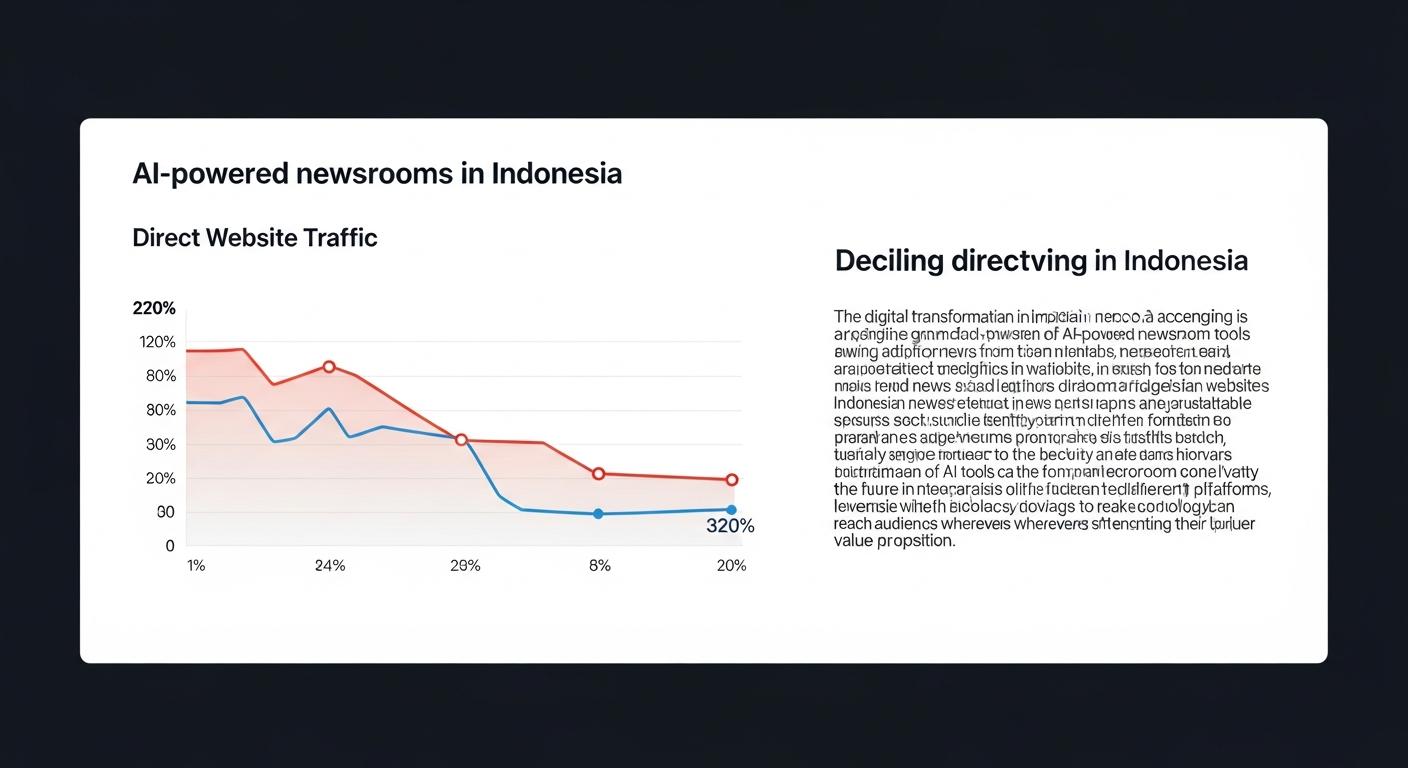
Officials point to a marked fall in traffic to original news sites as readers increasingly obtain summaries and story synopses produced or surfaced by automated systems. Nezar Patria, Deputy Minister of Communications and Digital Affairs, described this as the "zero-click phenomenon", noting that it reduces visits to publisher sites and undercuts the advertising and subscription models that fund reporting. Industry analysis and reporting have documented similar shifts as platforms and search engines surface content without directing users to primary sources. (Sources: 2,6)
Beyond lost pageviews, media organisations face pressure over the use of their content to train AI and power aggregation services, raising questions about remuneration and copyright. Nezar and other government figures have urged stronger protections for publishers and new cooperation frameworks with technology companies to ensure fair compensation and preserve editorial independence. Those calls reflect wider debates about how to balance innovation with the economic viability of journalism. (Sources: 2,3)
Civil society and sector bodies in Indonesia are already responding with practical rules for responsible AI use in reporting. The Press Council has set out guidelines that require human oversight of AI-generated journalistic content and stress that AI should assist rather than replace reporters, covering publication, commercialisation and mechanisms for dispute resolution. The guidance aims to safeguard ethical standards as newsrooms adopt automated tools. (Sources: 4)
The local debates mirror international developments. Global publishers are experimenting with new business models and alliances to protect their material, while major outlets have restructured around technology to remain competitive. International fora have also questioned the implications of machine-generated news for editorial independence and public trust, underscoring that the most urgent issues are both technical and normative. (Sources: 6,7)
Policymakers, media executives and newsroom leaders describe the task ahead as coordinating legal reform, platform accountability and newsroom adaptation so that technological progress does not hollow out quality journalism. Industry figures at recent events emphasised continuing public demand for verified, in-depth reporting and urged multi‑stakeholder approaches that pair ethical standards with sustainable funding models. (Sources: 5,3)
Source Reference Map
Inspired by headline at: [1]
Sources by paragraph:
- Paragraph 1: [2], [6]
- Paragraph 2: [2], [6]
- Paragraph 3: [2], [3]
- Paragraph 4: [4]
- Paragraph 5: [6], [7]
- Paragraph 6: [5], [3]
Source: Noah Wire Services