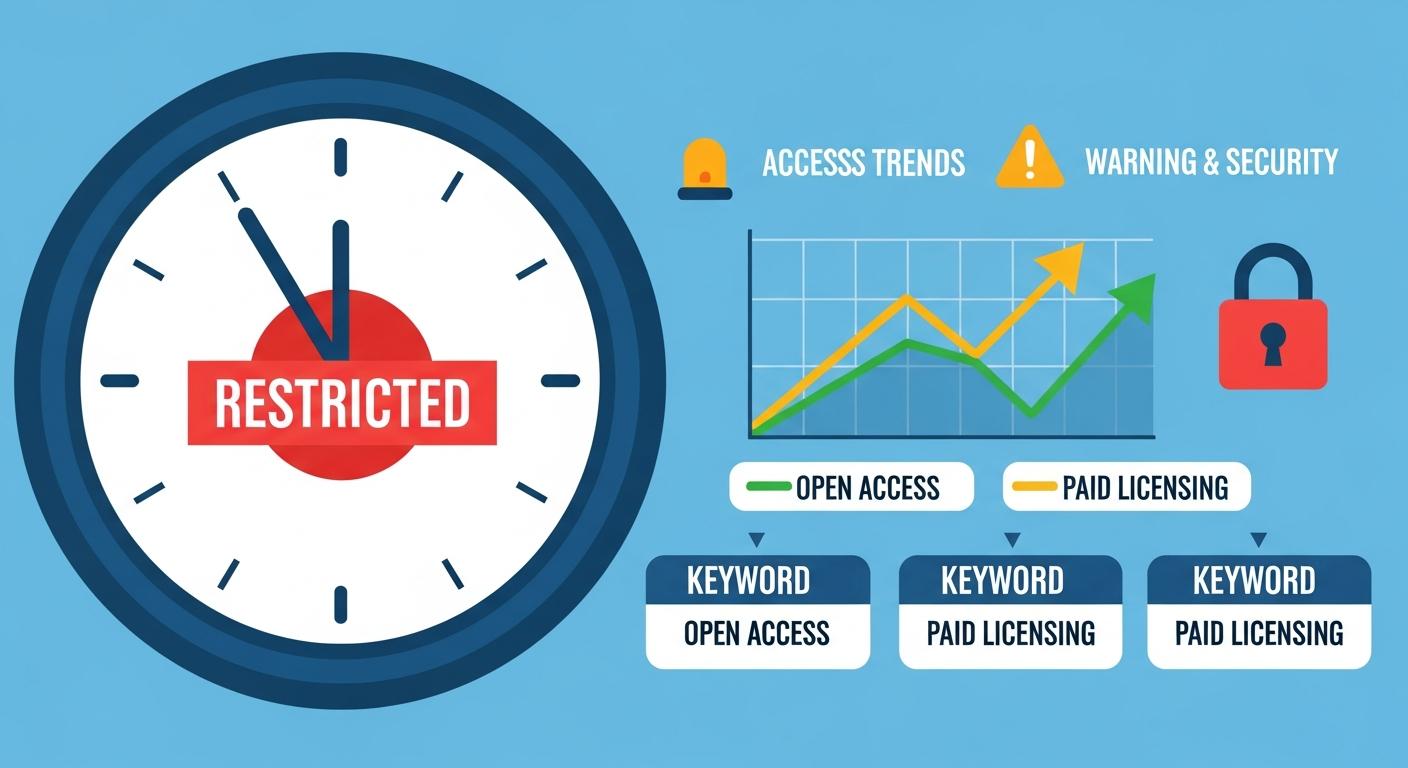
Major publishers and some high-profile platforms have moved to bar the Internet Archive and similar organisations from indexing large swathes of web content as part of a broader effort to prevent their material being harvested for artificial intelligence training. Industry analyses show an accelerating trend among mainstream news outlets to restrict automated crawlers, and at least one social network has explicitly stopped the Wayback Machine from archiving most user-generated posts after finding evidence that archived snapshots were used to bypass its data-access rules. (According to a study by Wired and reporting from Ars Technica.)
Publishers and platforms are relying on a mix of technical measures and contractual controls to enforce those blocks. Web operators employ sophisticated detection and filtering tools to identify and deny access to crawlers they judge to be linked to AI training, while others have adopted robots.txt and related measures to prevent third-party archiving. According to Wired, more than eight in ten top-ranked US news sites now take steps to block AI bots, reflecting a coordinated industry response.
At the same time, major commercial deals that monetise content for AI development are reshaping the economics of digital archives. Academic publishers have negotiated multi‑million‑dollar licences with large technology firms to supply curated bodies of books and journals for model training, a move credited with producing measurable boosts to corporate revenues and described by trade reporting as part of a strategic pivot amid funding pressures. Coverage of these agreements, and corporate statements about them, underline how licensing is increasingly viewed as a viable revenue source. (According to reporting by The Independent and an analysis in TNNewsOnline; the Taylor & Francis–Microsoft arrangement has been widely noted.)
Those commercial arrangements have provoked objections from researchers, authors and professional bodies who say they were not consulted and that agreements raise questions over consent, copyright and fair payment. The National Communication Association and the Society of Authors have publicly criticised at least one prominent licence for proceeding without adequate notice to contributors and for creating opacity around how scholarly work will be reused in AI systems. These organisations have called for greater transparency and protections for creators whose work is repurposed for model training.
The combined effect of technical blocking and exclusive licensing is already altering the practical shape of the “open web” that archivists and many nonprofits have long sought to preserve. Archivists warn that restricting access to historical snapshots limits the public record and makes it harder to maintain independent, long‑term archives of digital culture and news. Platforms that restrict archiving argue they are defending user privacy and their commercial rights; archivists and preservation advocates counter that such restrictions shift cultural and historical stewardship into commercial hands. (Ars Technica and Wired report on these tensions.)
Taken together, the developments point to a contested settlement over who controls digital knowledge in the AI era: a market increasingly driven by paid licences and defensive technology on one side, and nonprofit efforts to safeguard open access and historical continuity on the other. Industry data and public statements suggest this contest will continue to redefine access, compensation and preservation as AI systems consume ever more of the web’s recorded content. (According to TNNewsOnline and The Independent.)
Source Reference Map
Inspired by headline at: [1]
Sources by paragraph:
- Paragraph 1: [7], [2]
- Paragraph 2: [7]
- Paragraph 3: [6], [4]
- Paragraph 4: [3], [5]
- Paragraph 5: [2], [7]
- Paragraph 6: [4], [6]
Source: Noah Wire Services