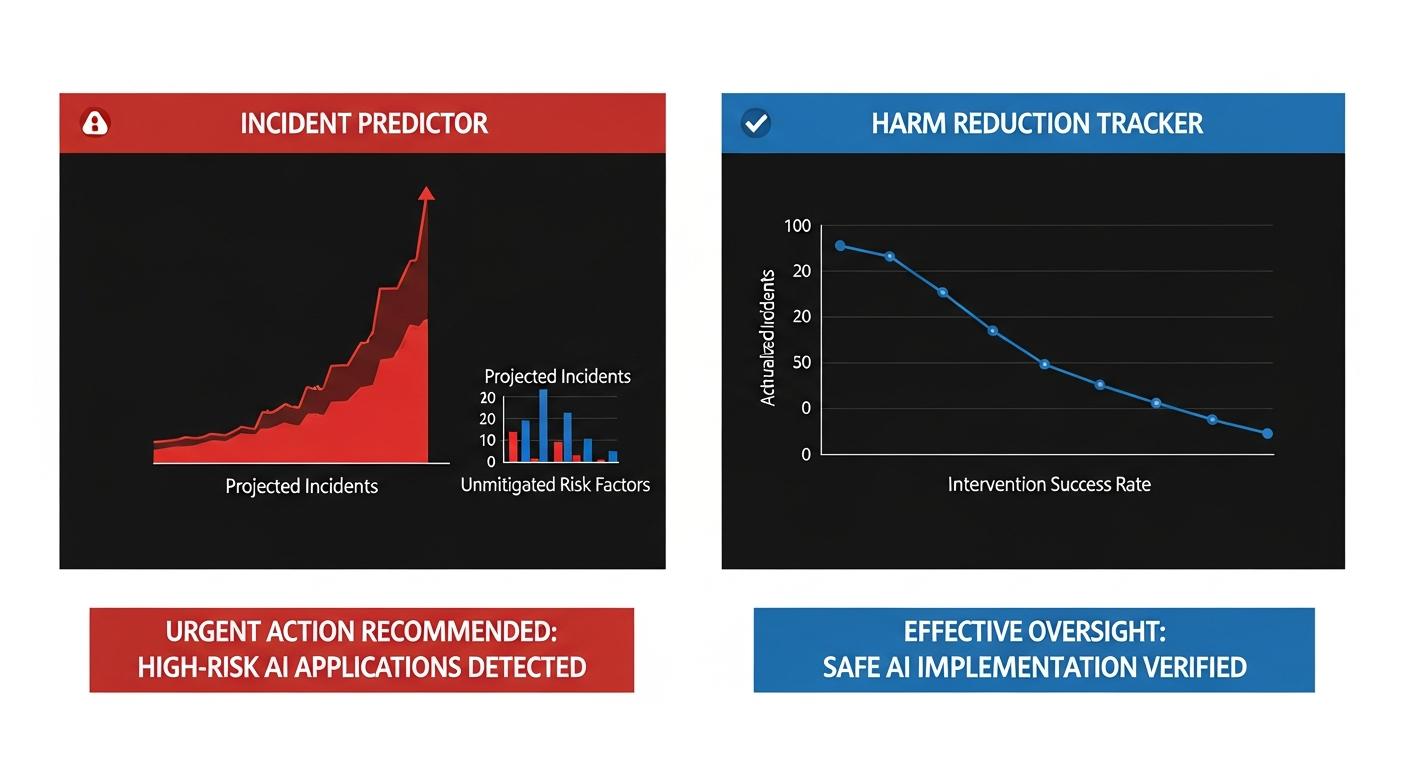
Privacy authorities worldwide have issued a coordinated warning on the rising misuse of generative AI to produce realistic images and videos of individuals without consent, calling for stricter safeguards, transparency, and age-appropriate protections.
Privacy regulators around the world have issued a coordinated warning over the growing use of generative artificial intelligence to produce realistic images and videos of real people without their consent, urging firms to curb misuse and protect vulnerable groups.
According to the statement organised by the International Enforcement Cooperation Working Group of the Global Privacy Assembly, almost 60 privacy and data protection authorities joined the call, including regulators from Canada, France, Germany, Italy, Korea, New Zealand, Singapore and the United Kingdom.
Ada Chung, the privacy commissioner for personal data, said, "The use of AI systems to generate indecent or malicious photos and videos of individuals, especially children, has recently raised concerns of regulatory authorities in Hong Kong and other areas worldwide." She said the Hong Kong Privacy Commissioner’s Office had worked with counterparts to set out baseline principles for lawful development and deployment of AI content-generation tools.
The signatories urged organisations building or deploying such systems to embed robust safeguards against personal-data misuse, be open about what their systems can and cannot do, provide straightforward processes for people to request removal of harmful material, and introduce enhanced, age-appropriate protections for children and other vulnerable people.
The warning arrives amid sharper regulatory and enforcement moves in the region aimed at non-consensual deepfakes. Indonesia’s communications ministry has blocked access to the Grok chatbot developed by xAI over concerns that it was being used to generate sexual deepfake content, while Malaysia’s regulator issued notices and temporarily restricted Grok citing repeated misuse to create obscene and non-consensual imagery.
Beyond government action, industry and creative professionals are responding with campaigns and standards work. The British Fashion Model Agents Association has launched a petition demanding formal protections for personal likenesses, and major platforms and advertisers have agreed through the Global Alliance for Responsible Media to adopt common definitions and reporting standards for harmful content. The interventions complement local initiatives such as an AI-generated public education video produced by Hong Kong’s monetary authority to warn citizens about scams.
Source Reference Map
Inspired by headline at: [1]
Sources by paragraph:
Source: Noah Wire Services
Noah Fact Check Pro
The draft above was created using the information available at the time the story first
emerged. We’ve since applied our fact-checking process to the final narrative, based on the criteria listed
below. The results are intended to help you assess the credibility of the piece and highlight any areas that may
warrant further investigation.
Freshness check
Score:
10
Notes:
The article reports on a joint statement issued on 23 February 2026 by 61 data protection authorities, including the European Data Protection Board (EDPB), addressing concerns about AI-generated imagery without consent. ([edpb.europa.eu](https://www.edpb.europa.eu/news/news/2026/ai-generated-imagery-and-protection-privacy-edpb-supports-joint-global-privacy_el?utm_source=openai)) The earliest known publication date of this content is 23 February 2026, confirming its freshness. No evidence of recycled or republished content was found.
Quotes check
Score:
8
Notes:
The article includes a direct quote from Ada Chung, the Privacy Commissioner for Personal Data in Hong Kong, stating, "The use of AI systems to generate indecent or malicious photos and videos of individuals, especially children, has recently raised concerns of regulatory authorities in Hong Kong and other areas worldwide." ([pcpd.org.hk](https://www.pcpd.org.hk/english/news_events/media_statements/press_20260223.html?utm_source=openai)) A search for this quote reveals it was first published in the press release dated 23 February 2026. While the quote is verifiable, it originates from a press release, which may limit its originality.
Source reliability
Score:
7
Notes:
The article is sourced from Marketing-Interactive, a publication based in Singapore. While it is a known media outlet, it is not as widely recognised as major international news organisations. The article references multiple reputable sources, including the EDPB and the Office of the Privacy Commissioner for Personal Data in Hong Kong. However, the reliance on a press release as the primary source may affect the independence of the information presented.
Plausibility check
Score:
9
Notes:
The claims made in the article align with recent global concerns about AI-generated imagery without consent. The joint statement issued by 61 data protection authorities is consistent with ongoing discussions about the ethical use of AI technologies. The inclusion of specific examples, such as the Hong Kong Privacy Commissioner’s Office working with counterparts to set out baseline principles for lawful development and deployment of AI content-generation tools, adds credibility to the narrative. ([pcpd.org.hk](https://www.pcpd.org.hk/english/news_events/media_statements/press_20260223.html?utm_source=openai))
Overall assessment
Verdict (FAIL, OPEN, PASS): PASS
Confidence (LOW, MEDIUM, HIGH): MEDIUM
Summary:
The article provides a timely and plausible account of a joint statement issued by 61 data protection authorities regarding AI-generated imagery without consent. While the content is fresh and the claims are consistent with known concerns, the heavy reliance on a press release as the primary source raises questions about the independence of the verification sources. Additionally, the use of a direct quote from the press release may limit the originality of the content. Editors should consider these factors when evaluating the article's credibility.