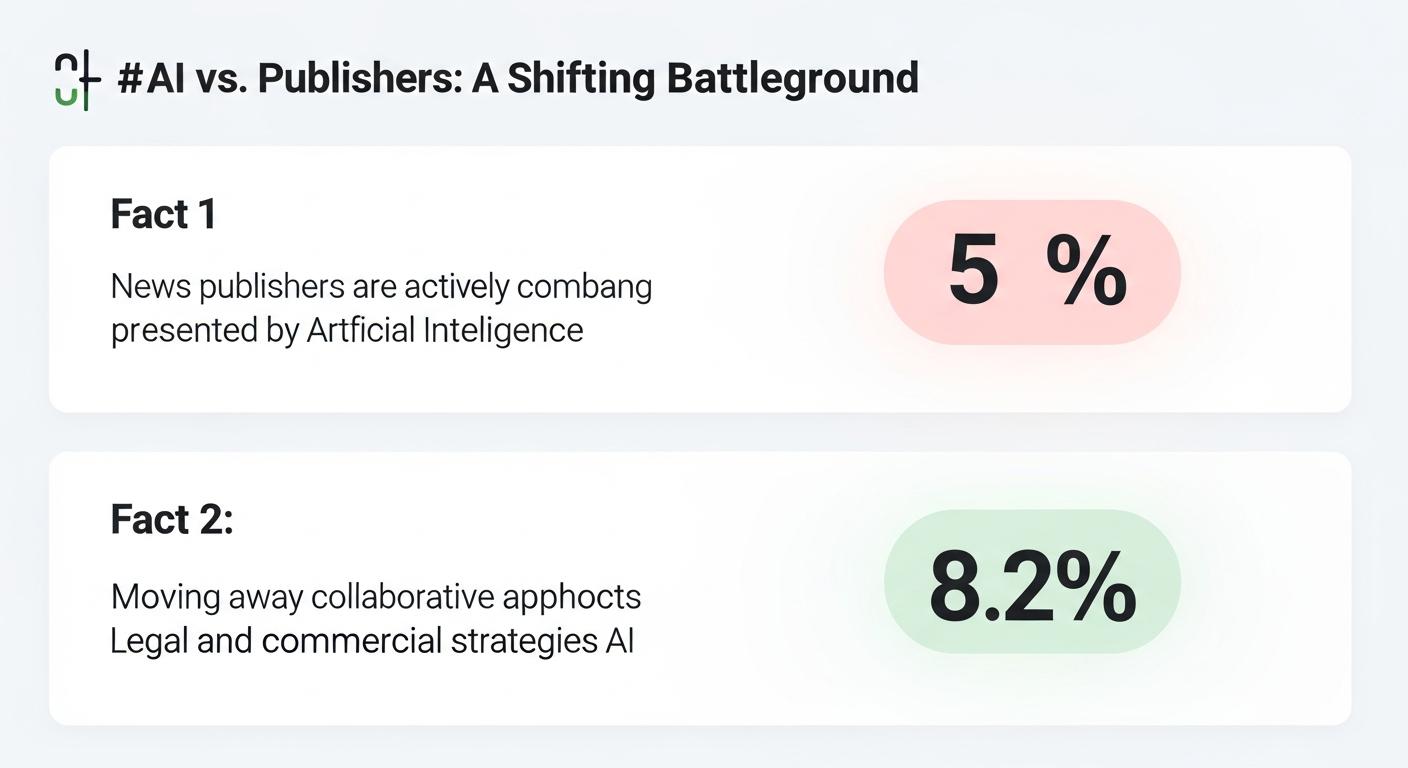
News organisations are moving from wary collaboration with large technology firms to a confrontational posture as artificial intelligence rewires how news is discovered, distributed and monetised. Policymakers, industry groups and publishers are responding with new tax and legislative proposals aimed at forcing compensation and greater accountability from platforms that repurpose journalistic content with little return to creators, while trade bodies press Congress for statutory protections. According to reporting from AP and industry commentators at recent conferences, the debate has shifted from seeking partnerships to asserting rights and reshaping the market rules that govern digital information flows.
At the same time, major technology companies are experimenting with commercial models intended to channel revenue back to publishers. Microsoft’s pilot for a Publisher Content Marketplace suggests one pathway by which compensation could be tied to actual usage within AI products, while smaller firms have launched subscription-based programmes that promise large revenue shares to early publishing partners. These experiments indicate that both legal pressure and market incentives are driving new approaches to remunerating news producers, though success depends on scale and sustained adoption by platforms and users.
The business challenge is stark. Academic auditing of large US newspaper datasets shows a measurable and growing use of AI-generated content across newsrooms, with limited public disclosure of AI’s role in production. That trend both raises questions about editorial standards and makes news text more easily absorbed into models that produce summary answers instead of driving readers back to publisher sites, undermining traditional ad-driven referral economics and subscription funnels.
National responses are already emerging. Australia’s 2025 levy on large digital platforms that fail to share revenue with local news outlets and earlier tests by a major search provider around proposed California linking legislation underline how governments are willing to compel platform behaviour through taxes, codes or regulatory pressure. Those measures aim to create bargaining leverage for publishers, but industry observers warn they can provoke retaliatory product changes that may reduce traffic and commercial opportunities for smaller outlets.
Against this backdrop, some publishers are combining litigation, collective bargaining and commercial experimentation. High-profile lawsuits allege unauthorised training on copyrighted reporting even as deals and revenue-share programmes show that licensed access can dramatically increase visibility on AI interfaces for participating outlets. The emerging pattern is a mixed strategy: legal action to assert rights, alliances to pool bargaining power and selective commercial arrangements that favour publishers able to capture preferential placement or measurable revenue shares.
The shape of future governance remains unsettled. Trade associations and industry bodies are proposing statutory protections and accountability frameworks to stop unlicensed scraping and to mandate compensation, while researchers and regulators emphasise the need for transparency about AI use and provenance. As the sector adapts, two linked imperatives stand out: protecting the economic basis for investigative, public-interest journalism, and updating disclosure and editorial standards so audiences know when reporting or opinion has been machine-assisted. How governments, courts and the largest AI firms resolve those questions will determine whether journalism can preserve both its finances and its role as an independent watchdog.
Source Reference Map
Inspired by headline at: [1]
Sources by paragraph:
- Paragraph 1: [4], [2]
- Paragraph 2: [6], [3]
- Paragraph 3: [7]
- Paragraph 4: [2], [5]
- Paragraph 5: [3], [6]
- Paragraph 6: [4], [7]
Source: Noah Wire Services