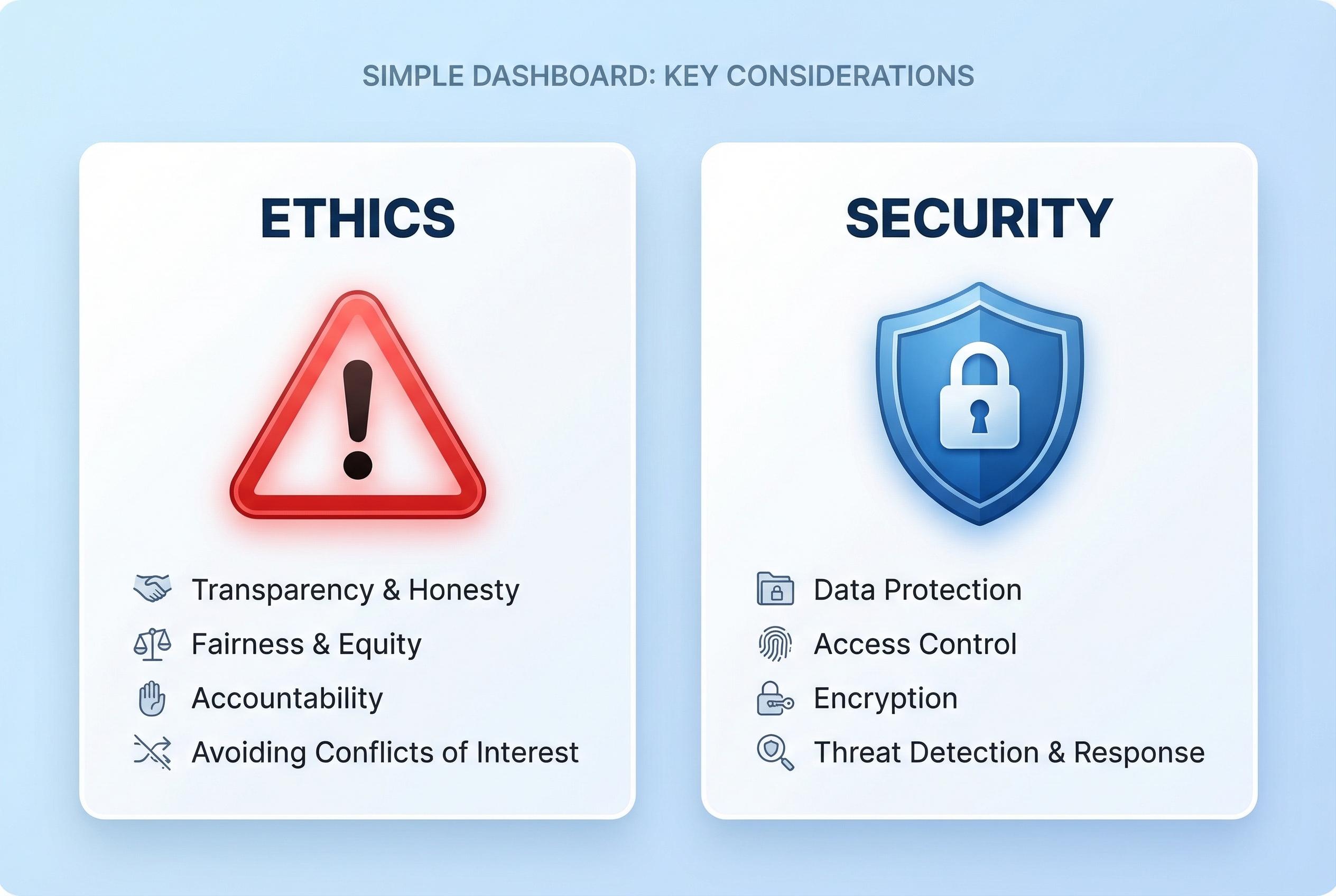
A months-long confrontation between the Pentagon and Anthropic has exploded into a broad contest over the future of military artificial intelligence, touching on ethical limits, national security priorities and the relationship between Washington and Silicon Valley. According to reporting by the Associated Press, the dispute intensified after talks around the incorporation of Anthropic’s Claude chatbot into defence systems ran aground, prompting the Pentagon to label the firm a supply chain risk and the White House to order federal agencies to stop using Claude. [2],[3]
Emil Michael, the Pentagon’s undersecretary for research and engineering, has framed the disagreement as part of the military’s push to field more autonomous capabilities to counter pacing rivals such as China. On the All‑In podcast he said he needed partners who would support autonomy, warning that exceptions to use restrictions would not be workable for rapidly evolving mission sets. “I need a reliable, steady partner that gives me something, that’ll work with me on autonomous, because someday it’ll be real and we’re starting to see earlier versions of that," Michael said. [2],[6]
Anthropic’s leadership has argued that its limits were narrowly drawn and principled, aimed at preventing two specific applications: mass surveillance of US citizens and fully autonomous weapons. The company has rejected parts of Michael’s account and vowed to challenge the supply‑chain designation in court, describing the government’s action as legally contestable. Industry reporting notes that the move has already prompted some defence contractors to sever ties while other technology firms continue commercial relationships. [3],[4]
The decision has divided voices within national security and tech circles. Retired General Paul Nakasone, now an OpenAI board member, publicly warned that branding an American AI company a supply‑chain risk risks eroding fragile trust between the Pentagon and the technology sector, urging more nuanced oversight rather than sweeping blacklists. Critics in Congress and among former officials have likewise expressed concern that the designation stretches rules meant to guard against foreign adversaries. [5],[3]
At the same time, several AI developers including OpenAI, Google and xAI have reportedly accepted the Pentagon’s demand to permit “all lawful uses” of their systems for government work, even as some prepare infrastructure changes to handle classified information. That alignment has deepened competition for defence partnerships and prompted fresh scrutiny over how quickly commercial models are being adapted for sensitive military applications. Reuters and AP coverage indicates OpenAI moved swiftly to secure a new Pentagon arrangement, intensifying rivalry in this high‑stakes market. [2],[3]
The debate over specific battlefield scenarios, such as using autonomous responses against hypersonic missiles or autonomous lasers to counter drone swarms, highlights tensions between operational urgency and technical reliability. Michael described situations where split‑second decisions could favour machine judgement, while Anthropic and other safety proponents caution that current models are not yet dependable enough to be entrusted with life‑and‑death autonomy. This gulf underpins both the Pentagon’s insistence on broad usage rights and Anthropic’s refusal to provide blanket authorisations. [2],[6]
Whatever the outcome of litigation, the clash is likely to shape US policy on military AI for years. Industry observers say the episode will influence how firms draft terms of service, how legislators regulate defence partnerships with tech companies and how the Pentagon balances operational imperatives with efforts to preserve collaboration with commercial innovators. The controversy also appears to have had a commercial effect: reporting shows a surge in public interest in Anthropic’s products even as the firm faces government restrictions, underscoring the reputational as well as legal stakes. [4],[5]
Source Reference Map
Inspired by headline at: [1]
Sources by paragraph:
- Paragraph 1: [2], [3]
- Paragraph 2: [2], [6]
- Paragraph 3: [3], [4]
- Paragraph 4: [5], [3]
- Paragraph 5: [2], [3]
- Paragraph 6: [2], [6]
- Paragraph 7: [4], [5]
Source: Noah Wire Services