The recent dismissal of an Ars Technica reporter after an article containing AI-generated, fabricated quotes was published has sharpened a dilemma facing modern newsrooms: who bears responsibility when editorial output shaped by artificial intelligence proves false. According to reporting on the episode, the outlet retracted the piece and terminated the reporter involved after the invented quotes were traced back to an AI tool used during reporting.
That case has become shorthand for a wider industry anxiety about machines that can assist creativity but also invent facts with confidence. Coverage of the incident emphasises that the error occurred while the reporter was ill and relying on AI to organise source material, yet observers argue the lapse reveals systemic weaknesses in verification and editorial oversight when publishers lean on automated assistance.
Editors and executives who promote routine AI use face particular scrutiny because managerial decisions shape the incentives staff respond to. The Cleveland Plain Dealer’s leadership has publicly promoted generative tools as a way to free reporters’ time, while staff accounts reported pressure to demonstrate AI usage and concerns that local reporting skills are being devalued. The resulting tension between productivity goals and journalistic craftsmanship has provoked pushback from both inside and outside those newsrooms.
That managerial assertiveness is not uniform across the sector. Some organisations have adopted explicit policies designed to limit AI to augmentative roles and require human verification of any AI-produced material. One public media outlet, for example, frames AI as a tool to "enhance, not create", mandating human checks for accuracy, sourcing and ethical alignment before publication. Those safeguards represent a cautious alternative to unfettered deployment.
Nevertheless, internal communications from major organisations indicate a spectrum of internal attitudes, from strict oversight to more permissive enthusiasm for automated drafting. Leaked messages reported from a large news agency showed some staff urging broad use of AI while disparaging the combined skill set of reporting and writing, a stance that media unions and press-watch groups say risks eroding professional standards and accountability.
The practical consequences of lax controls have already shown up in printing-room corrections and high-profile retractions. In recent months several reputable papers have apologised for publishing pieces or syndicated lists that contained fictitious books and authors created by AI, while other outlets have withdrawn large batches of freelance submissions amid evidence of widespread AI generation. Those episodes illustrate how hallucinations by language models can cross from drafts into published record when checks fail.
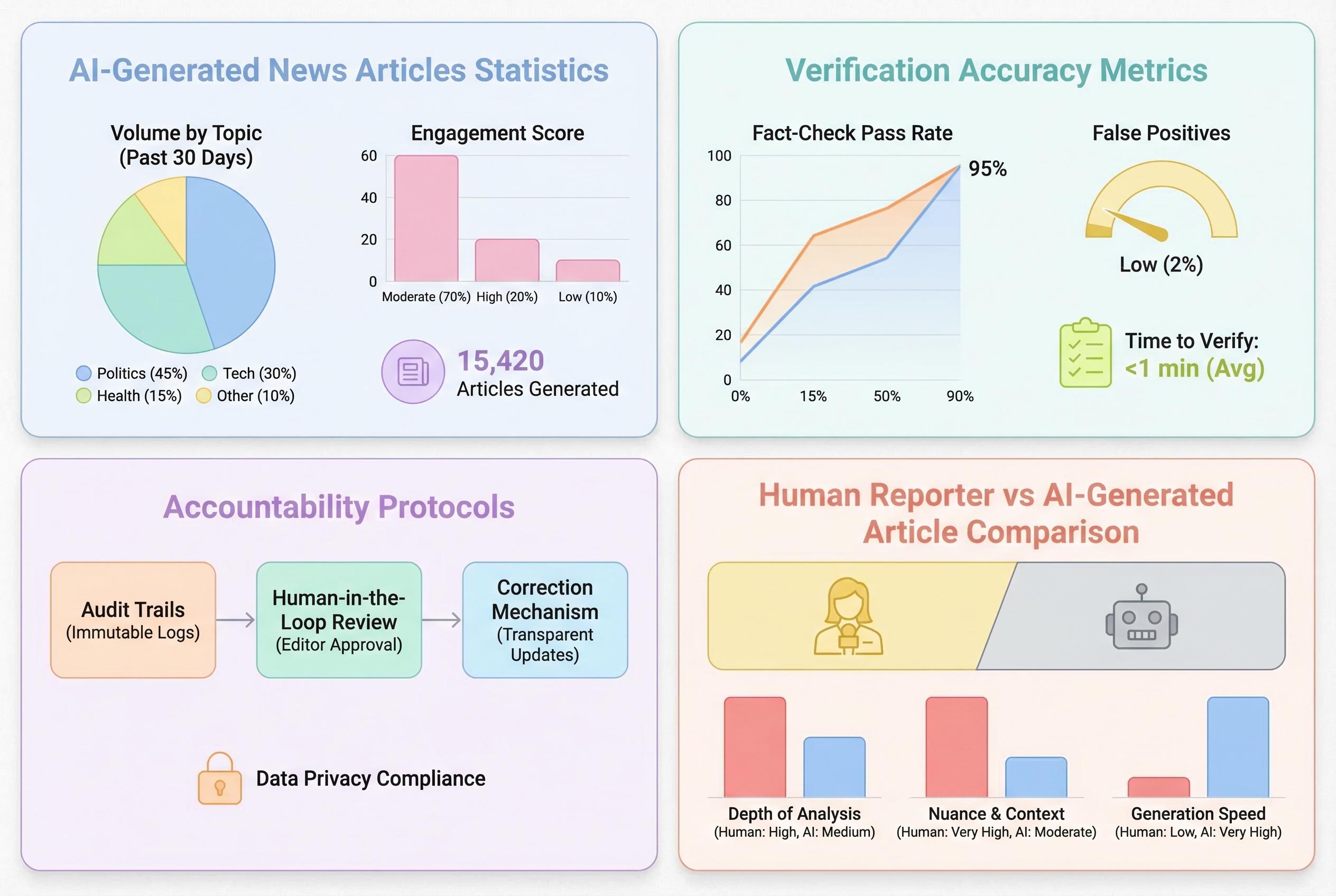
Publishers defending AI adoption point to tangible gains: increased output, faster turnaround for routine tasks and, in some experiments, higher page views for AI-assisted local coverage. Proponents argue that, with the right guardrails, AI can help stretched newsrooms survive financially precarious times by handling time-consuming chores like transcription, tagging and drafting basic pieces. Critics counter that shifting the work balance toward automation risks deskilling reporters and exposing them to liability for errors they did not directly invent.
The accountability question remains unresolved. When AI contributes to a published mistake, outlets have variously placed blame on individual reporters, on contractors, or on process failures; reprisals tend to fall hardest on the person whose byline appears. Observers and ethics advocates argue that responsibility should be shared: editorial leaders must set and enforce verification standards, legal and HR teams should clarify liability, and newsrooms should ensure staff are trained and not coerced into risky AI practices. Without such measures, journalists may continue to shoulder disproportionate consequences for systemic shortcomings.
If news organisations are to use AI without further damaging public trust, they will need transparent policies, rigorous human oversight and an industry-wide discussion about where liability lies when machines err. Absent those reforms, the impulse to increase efficiency with automated tools risks producing more fast, flashy content, and more frequent, reputation-damaging failures that leave the human author to take the fall.
Source Reference Map
Inspired by headline at: [1]
Sources by paragraph:
- Paragraph 1: [2]
- Paragraph 2: [2],[6]
- Paragraph 3: [3],[4]
- Paragraph 4: [5],[2]
- Paragraph 5: [6],[5]
- Paragraph 6: [6],[2]
- Paragraph 7: [7],[4]
- Paragraph 8: [2],[6]
- Paragraph 9: [5],[4]
Source: Noah Wire Services