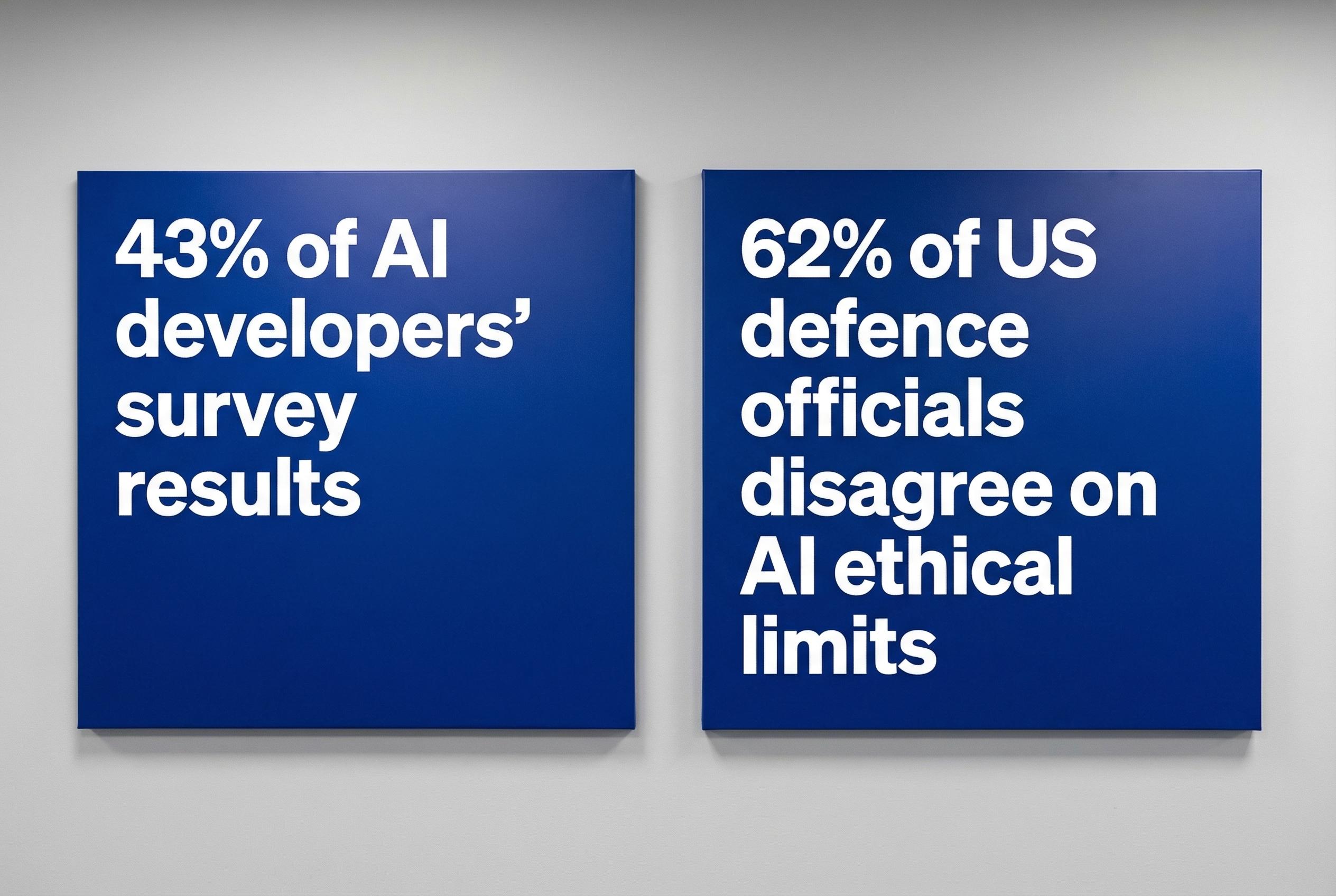
The sudden clash between the Pentagon and one of the fastest‑rising AI labs has laid bare a widening rift over how far private firms should constrain the technologies they build. This week’s escalation, in which the White House moved to bar a leading start‑up from federal work while a rival secured defence access, underscores a hard choice for the industry: prioritise ethics and limits, or accommodate military needs to win lucrative government business. (Sources: AP, T2C).
Anthropic, founded by ex‑OpenAI researchers as an alternative that emphasised heavy safeguards, became the focal point after its leadership resisted Pentagon requests to remove built‑in restrictions on uses such as domestic mass surveillance and fully autonomous weapons. The company says those boundaries reflect a principled stance about what AI should not do, even when applications are legally permissible. (Sources: AP, T2C).
Defence officials pushed back, arguing that models deployed across military systems must be available for “all lawful purposes,” and that bespoke refusals by vendors create a national security vulnerability. Secretary of Defense Pete Hegseth publicly described Anthropic as a “supply‑chain risk to national security,” and the administration ordered federal agencies to cease using the company’s models. Anthropic has announced plans to challenge the designation in court. (Sources: AP, AP).
Within hours of the dispute becoming public, OpenAI moved to fill the gap, negotiating terms with the Department of Defense that will allow its models to be used for classified work. Company executives have sought to maintain some prohibitions, such as rejecting fully autonomous lethal systems and certain kinds of domestic surveillance, while signalling greater willingness to permit dual‑use military applications under classified oversight. That compromise has translated into immediate business advantage. (Sources: T2C, Windows Central).
The contrast between the two firms crystallises the broader debate over where responsibility lies for curbing harmful uses of AI. Anthropic’s approach is to bake firm‑line guardrails into its systems; the Pentagon’s stance favours capability and model availability subject to government control. OpenAI’s middle path, agreeing to wider military use while asserting ethical limits, reveals how companies may try to reconcile commercial, regulatory and reputational pressures. (Sources: T2C, Axios).
The consequences will ripple beyond defence procurement. The same base models that are adapted for military planning, intelligence analysis or logistics often underpin consumer products, enterprise tools and services used by hospitals and local governments. When government agencies demand broad access, those norms can cascade into civilian contexts, shaping how transparency, oversight and acceptable use evolve across the economy. (Sources: T2C, TechRadar).
Financial and legal fallout followed swiftly. Industry reporting estimates the dispute could threaten tens of billions in venture capital tied to advanced AI firms as investors weigh regulatory risk and government relationships. Major defence contractors have begun re‑evaluating ties to Anthropic after the federal action, even as the company reports surging consumer demand for its Claude assistant. (Sources: Axios, AP).
The episode has already prompted scrutiny from lawmakers and added momentum to policy debates about AI governance. Provisions in recent defence legislation that push deeper AI integration in the armed forces, while creating oversight and cybersecurity expectations, will influence how agencies structure future contracts. At the same time, political pressure from the administration signals that firms refusing certain military uses may face public sanctions, raising questions about whether voluntary corporate limits can stand when national security priorities assert themselves. (Sources: T2C, Axios).
Where this settles will determine which incentives prevail: the market logic that rewards the vendor willing to work more closely with state power, or the ethical posture that accepts commercial sacrifice to keep certain applications off the table. For now, investors, defence planners and the public will be watching whether firms can both protect core safety commitments and remain viable suppliers to governments that demand unfettered technical access. (Sources: AP, Windows Central).
Source Reference Map
Inspired by headline at: [1]
Sources by paragraph:
- Paragraph 1: [2], [1]
- Paragraph 2: [2], [1]
- Paragraph 3: [6], [2]
- Paragraph 4: [1], [5]
- Paragraph 5: [1], [3]
- Paragraph 6: [1], [4]
- Paragraph 7: [3], [2]
- Paragraph 8: [1], [3]
- Paragraph 9: [2], [5]
Source: Noah Wire Services